By Bowman Properties
New Milford, CT, holds more than three centuries of history within its town lines, and you can still walk much of it today. From a colonial-era green, to wrought-iron bridges over the Housatonic River, the historical sites in New Milford, CT, tell the story of how this corner of Litchfield County grew. We have spent years guiding people along these same streets, and back roads, and we love pointing out the landmarks that make this town feel like home. Here are the places we recommend you see first.
Key Takeaways
- The New Milford Green anchors the town, and sits at the center of its historic district.
- The New Milford Historical Society & Museum preserves artifacts tied to founding father Roger Sherman.
- Lover's Leap State Park pairs river views with the 1895 Berlin Iron Bridge.
- Two rare lenticular truss bridges, and the Merwinsville Hotel, round out the area's landmarks.
The New Milford Green and Its Historic Heart
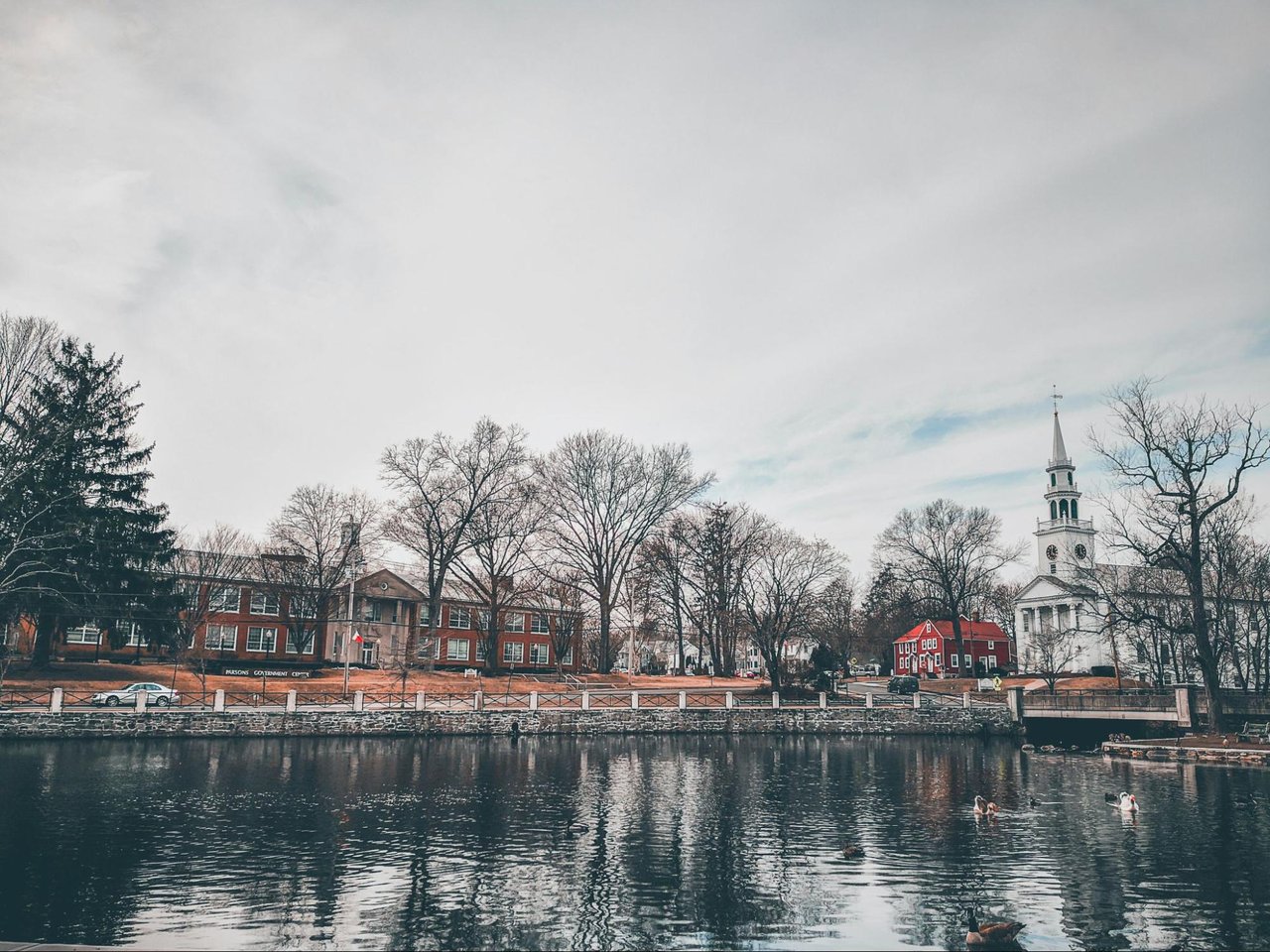
The New Milford Green is the natural place to start, and it remains one of the most recognizable of all the historical sites in New Milford, CT. This long, tree-lined common has served as the town's central gathering spot since the colonial era, framed by churches, shops, and civic buildings. Walk its length, and you will pass monuments, memorials, and architecture that span generations. Each season brings community events to the common, from summer concerts, to holiday gatherings, and the scene has changed little in character over the decades.
What You Will Find Around the Green
- The First Congregational Church, whose steeple defines the skyline above the green.
- The Roger Sherman Town Hall, which carries a bronze tablet honoring the town's most famous resident.
- Locally owned storefronts, and restaurants, set inside preserved nineteenth-century buildings.
Roger Sherman and the New Milford Historical Society & Museum
Just north of the green, at No. 6 Aspetuck Avenue, the New Milford Historical Society & Museum protects the artifacts behind these stories. The museum complex connects a main gallery to the Knapp House, built around 1815, the town's first bank from about 1822, and a 1796 mercantile store. Few historical sites in New Milford, CT, pack this much into one stop. The Society keeps regular weekly hours, with a modest admission, and inside, the connected buildings let you move from a working-era store, to a preserved period home, in a single afternoon.
Highlights Inside the Museum Complex
- A tribute to Roger Sherman, the only person to sign all four founding documents of the United States, who worked here as a shoemaker, surveyor, and lawyer.
- Exhibits that trace the town's pre-colonial peoples, and its early industries.
- Period rooms inside the Knapp House that show how the town lived two centuries ago.
Lover's Leap State Park and the Berlin Iron Bridge
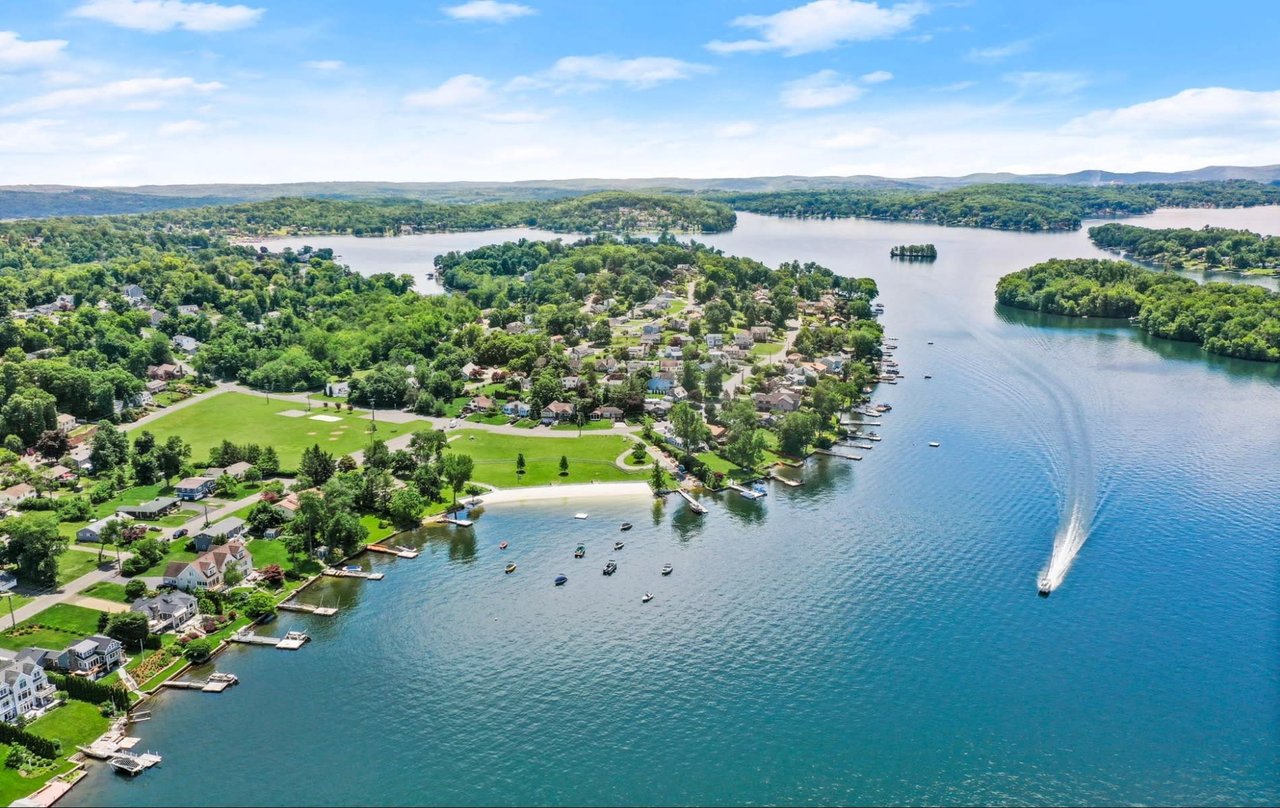
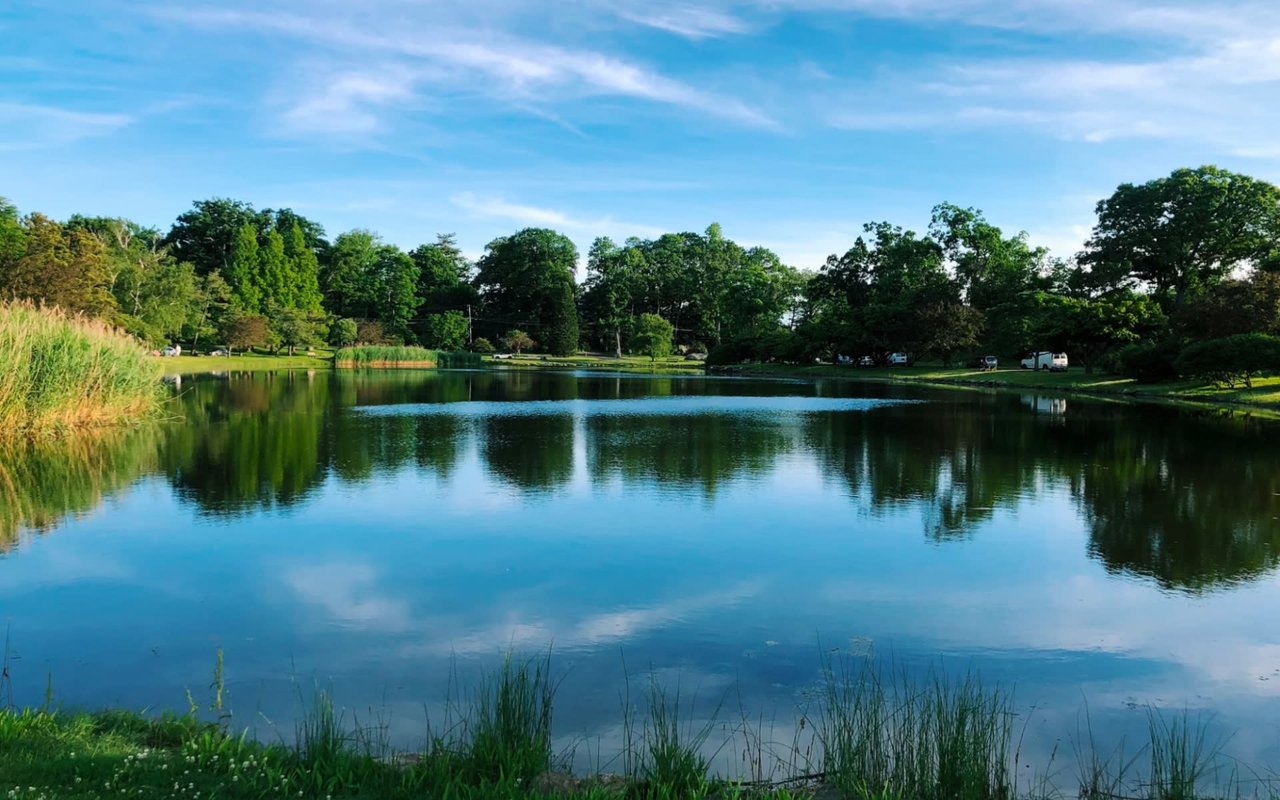
For history set against nature, Lover's Leap State Park is hard to beat. The roughly 160-acre park follows the Housatonic River, and Lake Lillinonah, on land that Native American communities occupied for thousands of years. Its name comes from the legend of Princess Lillinonah, daughter of the Pootatuck chief Waramaug. The trails lead to overlooks above the river gorge, where the water bends through the hills, and markers along the way explain the long human story of the site.
Why Lover's Leap Stands Out
- The Lover's Leap Bridge, a wrought-iron lenticular truss span built in 1895 by the Berlin Iron Bridge Company.
- A place on the National Register of Historic Places since 1976, now open to foot traffic only.
- River overlooks, and quiet trails, that pass stone ruins from the park's earlier days.
Historic Bridges and the Merwinsville Hotel
New Milford, CT, is home to some of the rarest bridges in the state, and a railroad landmark that helped put the town on the map. These historical sites sit a short drive from the green, and they reward anyone who wants to see how travel, and commerce, shaped the area. The Old Boardman Bridge still shows the ornamental touches of its era, including latticework, winged orb finials, and floral motifs above its portals. The Merwinsville Hotel owes its name to Sylvanus Merwin, who convinced the Housatonic Railroad to make his hotel a meal stop, and to call the station Merwinsville.
Landmarks Worth the Short Drive
- The Old Boardman Bridge, built in 1887 and 1888, and at 188 feet the longest of only three lenticular through trusses left in Connecticut.
- The Merwinsville Hotel in Gaylordsville, built in 1842 and 1843, one of the oldest hotels in the country built specifically for a railroad stop.
- Ongoing restoration efforts that keep both landmarks standing for future visitors.
Frequently Asked Questions
What Is the Most Famous Historical Site in New Milford, CT?
The New Milford Green, and the surrounding historic district, is the most recognized landmark in town. It has anchored community life since the colonial period, and it remains a favorite spot for visitors, and residents, to this day.
Can You Still Visit the Historic Bridges in New Milford?
Yes, you can. The Lover's Leap Bridge is open to foot traffic inside Lover's Leap State Park, and the Old Boardman Bridge is the focus of restoration efforts aimed at reopening it to pedestrians.
Is the New Milford Historical Society & Museum Open to the Public?
It is. The museum, located at No. 6 Aspetuck Avenue, welcomes visitors on a set weekly schedule, and by appointment, so we suggest confirming current hours before you go.
Contact Us Today
New Milford, CT, is a town where history, and everyday life, sit side by side, and we would love to help you find your place within it. Whether you are drawn to a home near the green, or a quiet property along the Housatonic River, we know these areas inside and out.
When you are ready to explore the market here, reach out to us, Bowman Properties, for guidance rooted in decades of local experience. We look forward to showing you why so many people are proud to call New Milford home.