Are you looking for more breathing room without feeling cut off from the rest of Fairfield County? Redding, CT often stands out for buyers who want a quieter home base, more land, and a daily setting shaped by woods, trails, and winding roads. If you are wondering what it is really like to live in Redding, this guide will help you understand the town’s character, housing patterns, and access points so you can decide whether it fits your lifestyle. Let’s dive in.
What living in Redding feels like
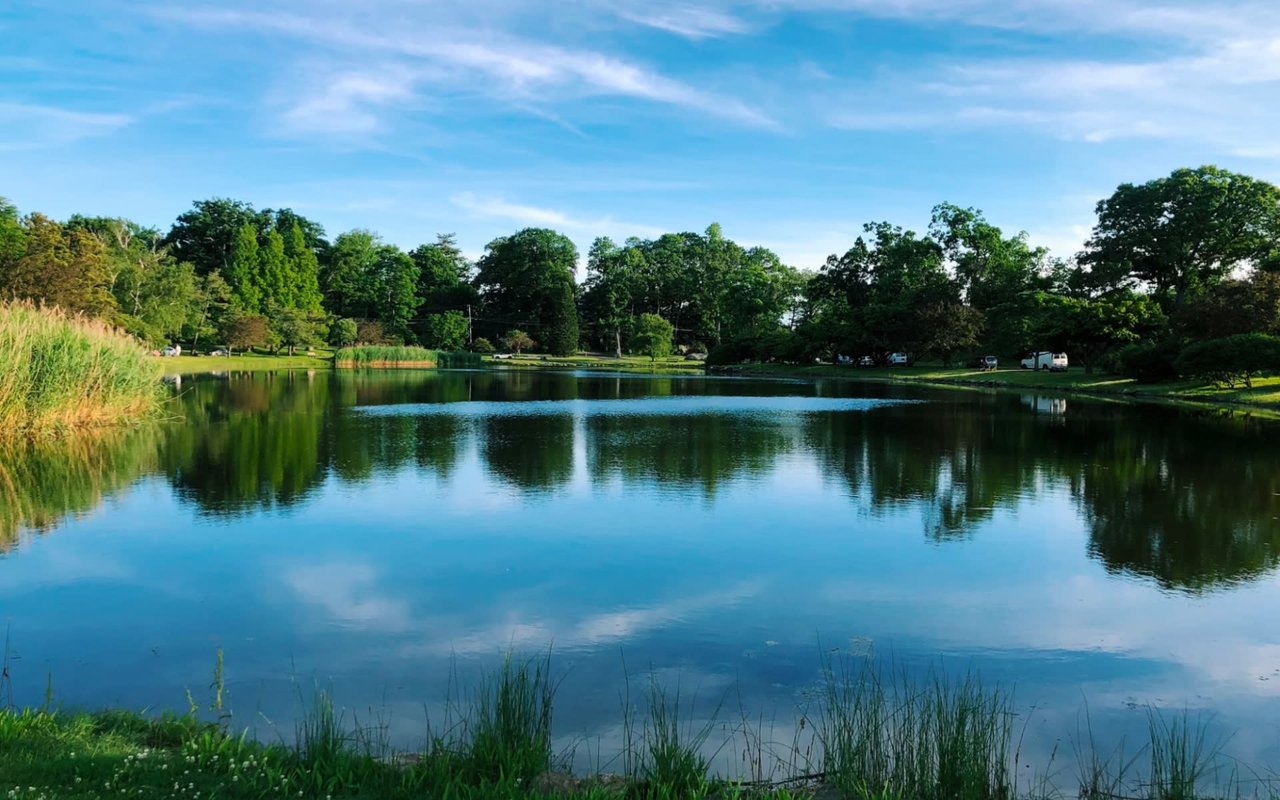
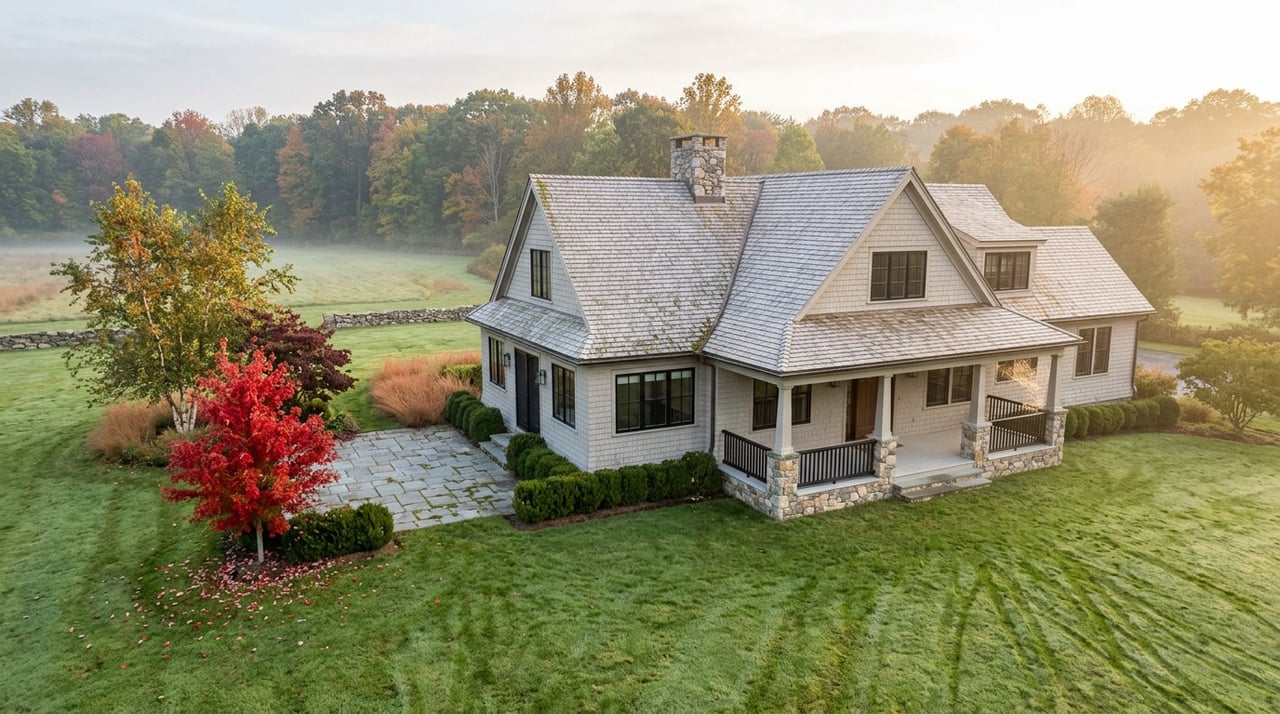
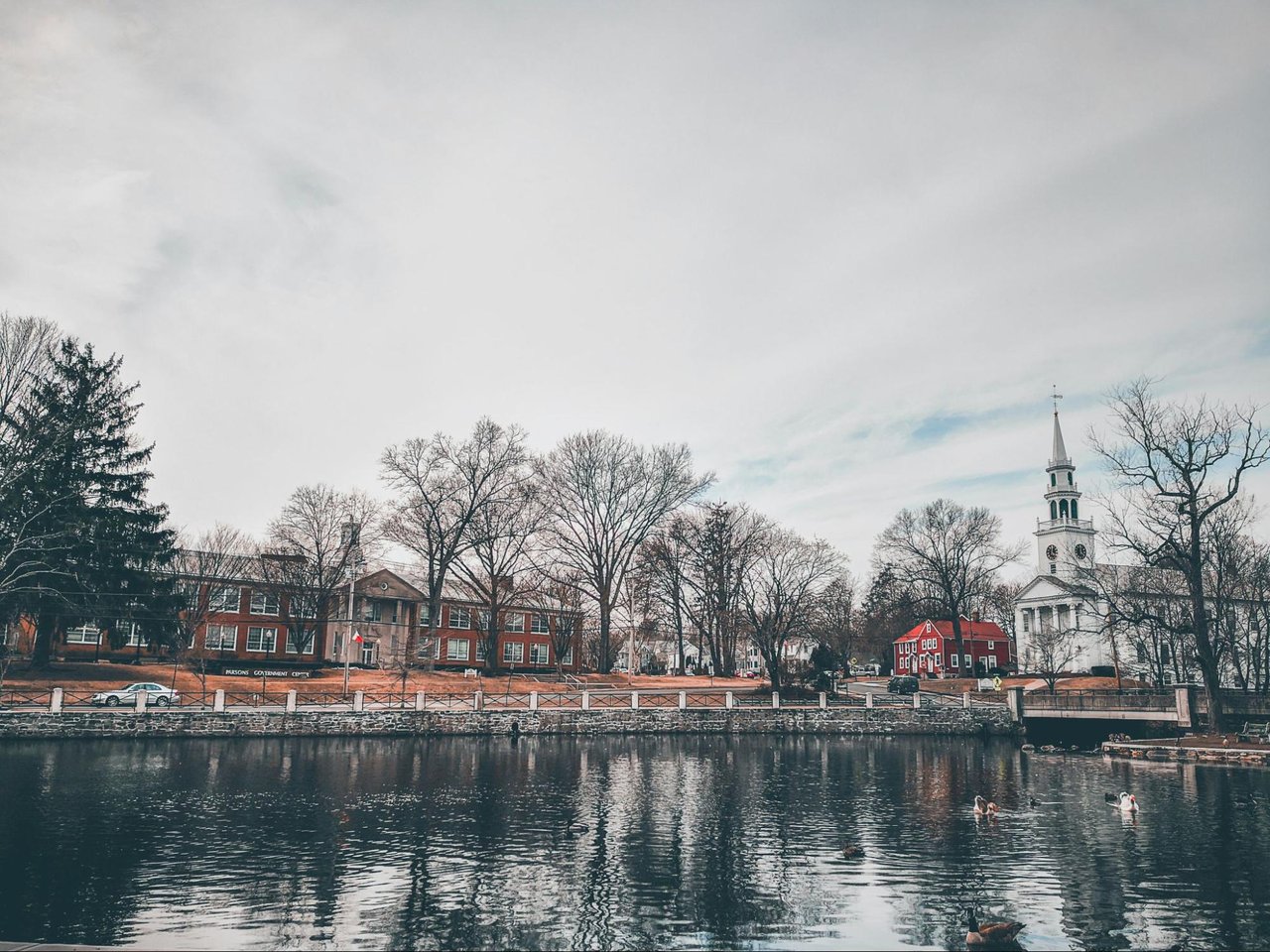
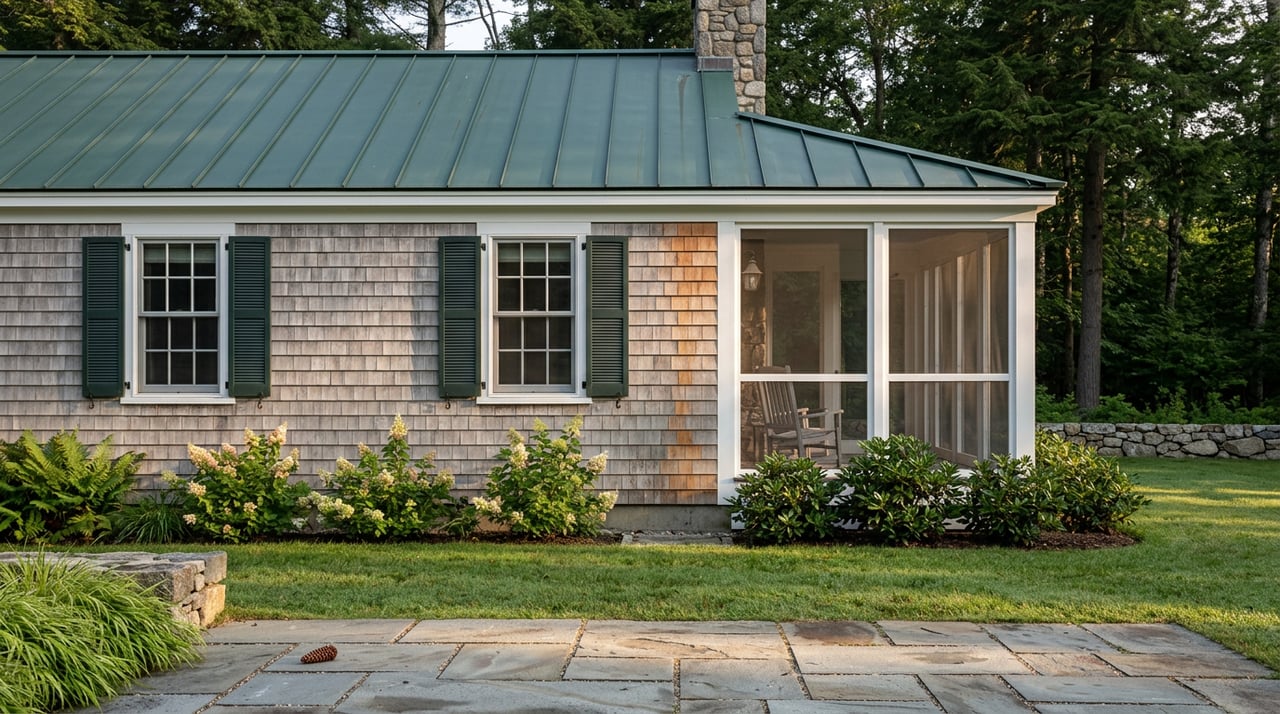
Redding is described in the town’s official plan as a semi-rural residential community of hills, valleys, streams, meadows, winding lanes, and traditional homes. That description captures a lot of what draws people here. The setting feels quiet and spacious, but it still sits within reach of larger Fairfield County and regional employment hubs.
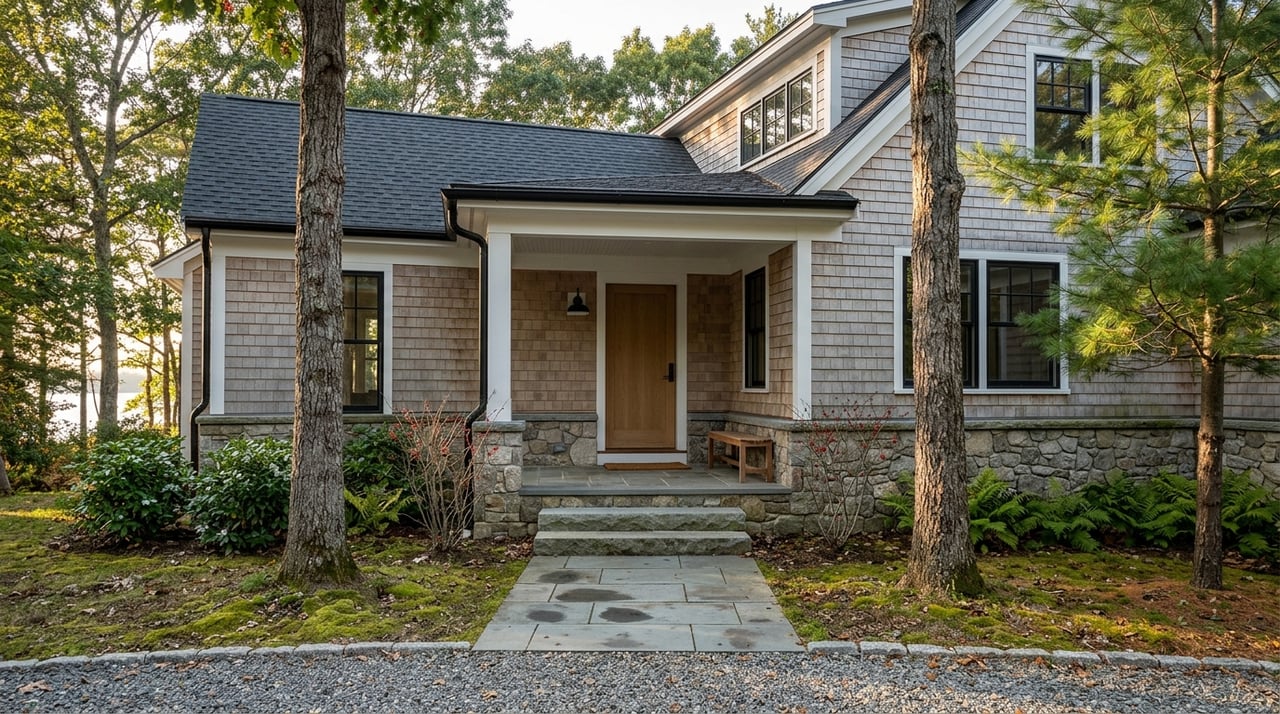
The town has evolved into a permanent home for commuters while keeping much of its natural character intact. More than a third of Redding’s land is permanently dedicated open space, which helps preserve the wooded, low-density feel many buyers are looking for. If your ideal day includes privacy, nature, and a slower pace at home, Redding may feel like a strong match.
Why Redding feels so spacious
A big reason Redding feels different from more built-up towns is its land-use pattern. According to the town plan, 97.4% of the town is zoned for single-family residential use on minimum lots of two acres or larger. That creates a landscape where homes are typically spread out rather than clustered tightly together.
The zoning structure supports that long-term character. Minimum lot areas include 4 acres in R-4 zones, 2 acres in R-2, 1 acre in R-1, and 1/2 acre in R-1/2. In practical terms, that means you are more likely to find separation, tree cover, and a sense of retreat than dense blocks of development.
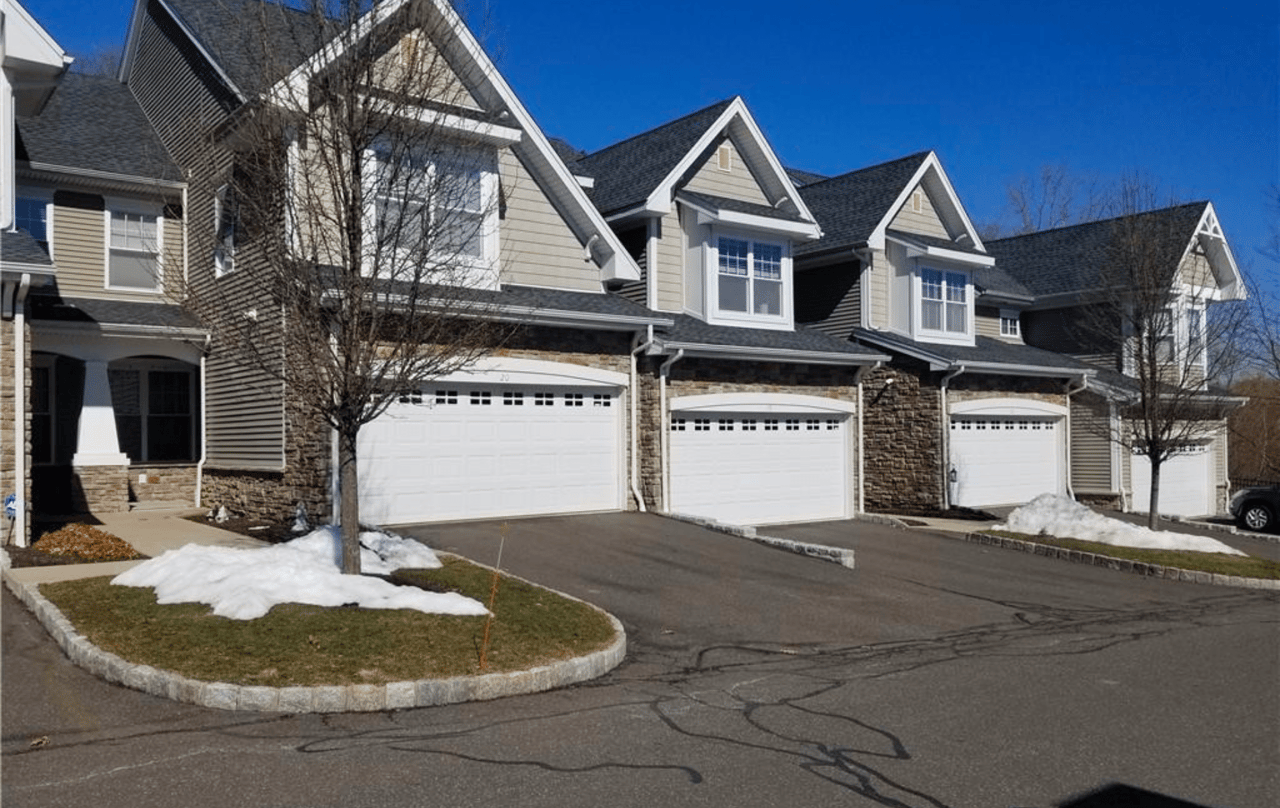
Georgetown is the main exception. In that village area, zoning allows townhouses and apartments at roughly 7 to 8 units per gross acre, which gives that section a somewhat different housing pattern than the rest of town.
Redding homes and housing styles
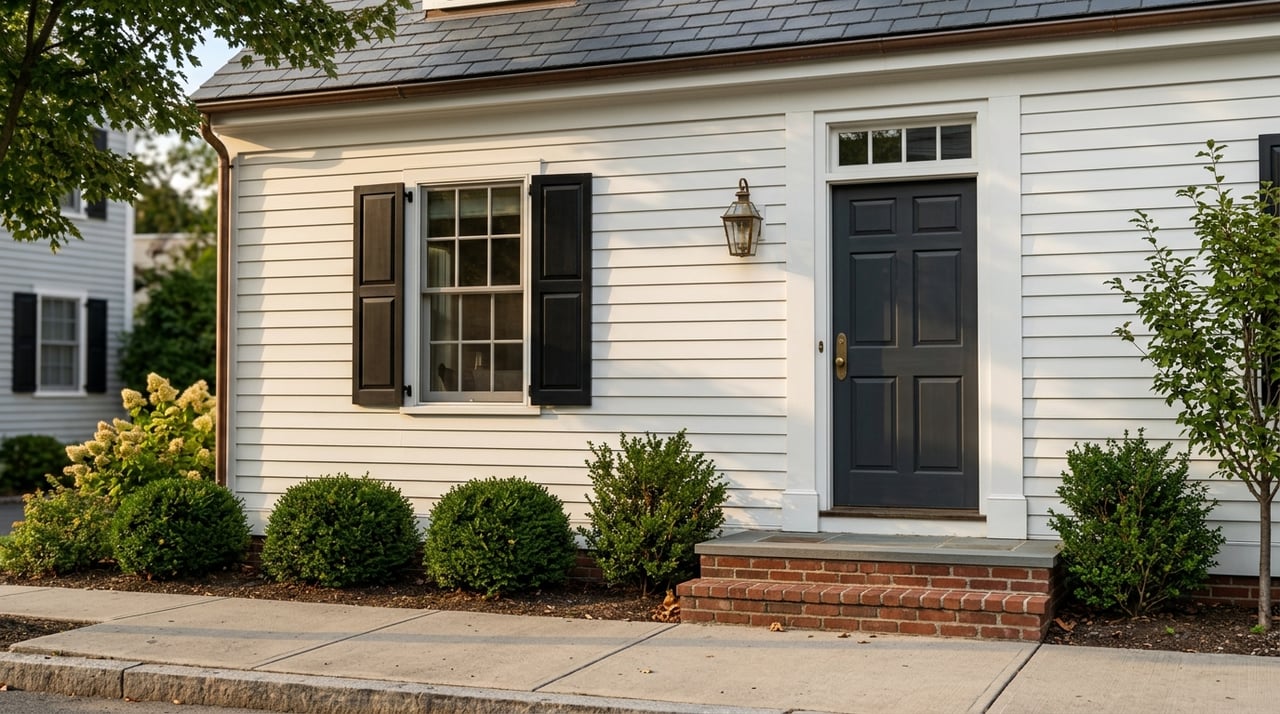
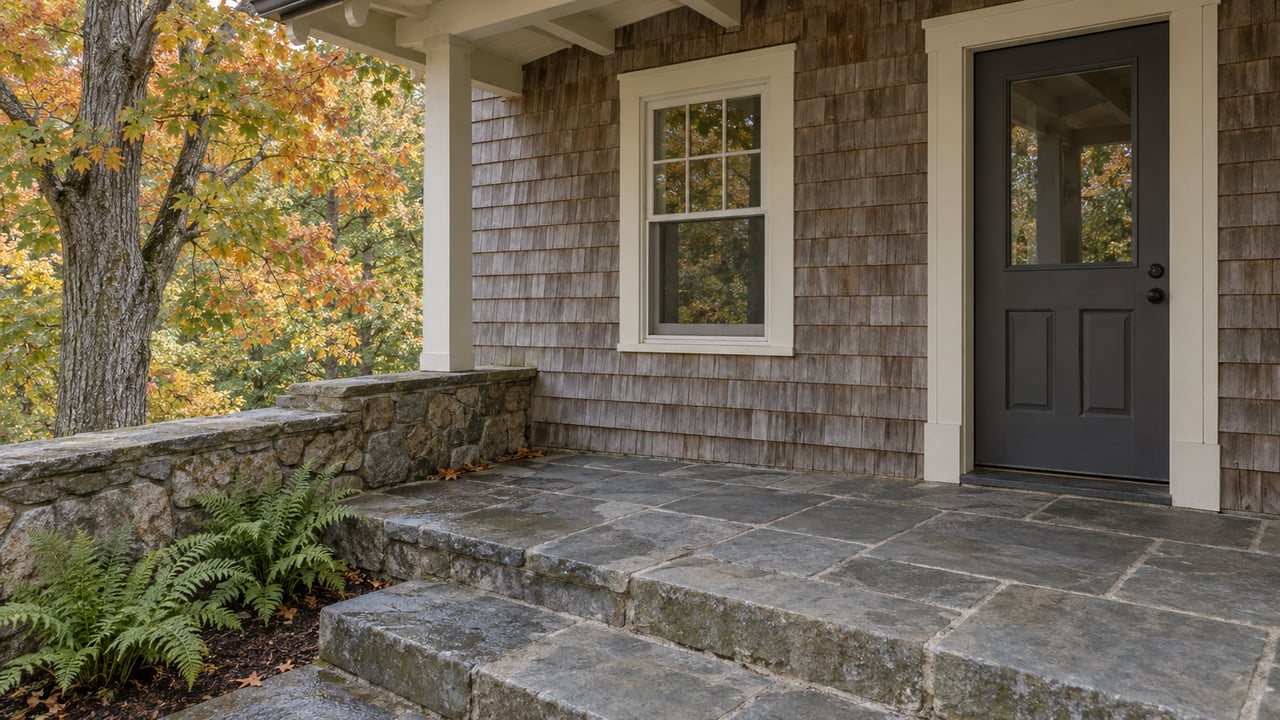
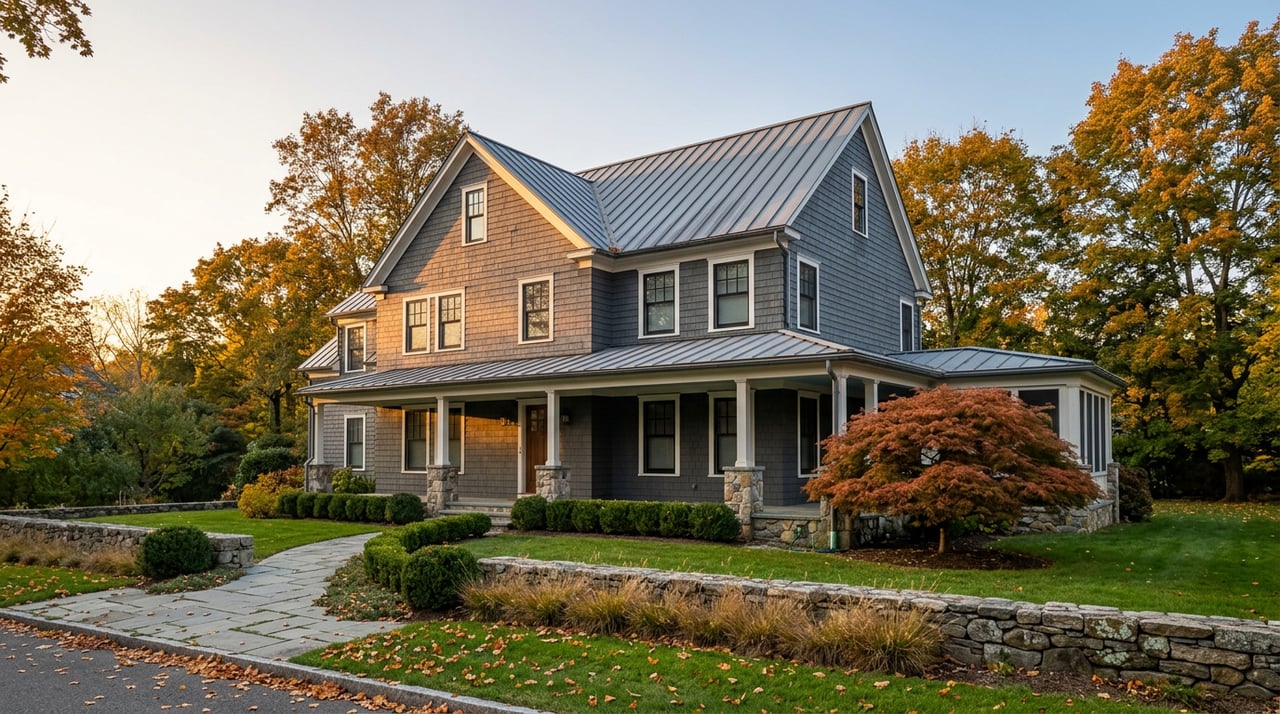
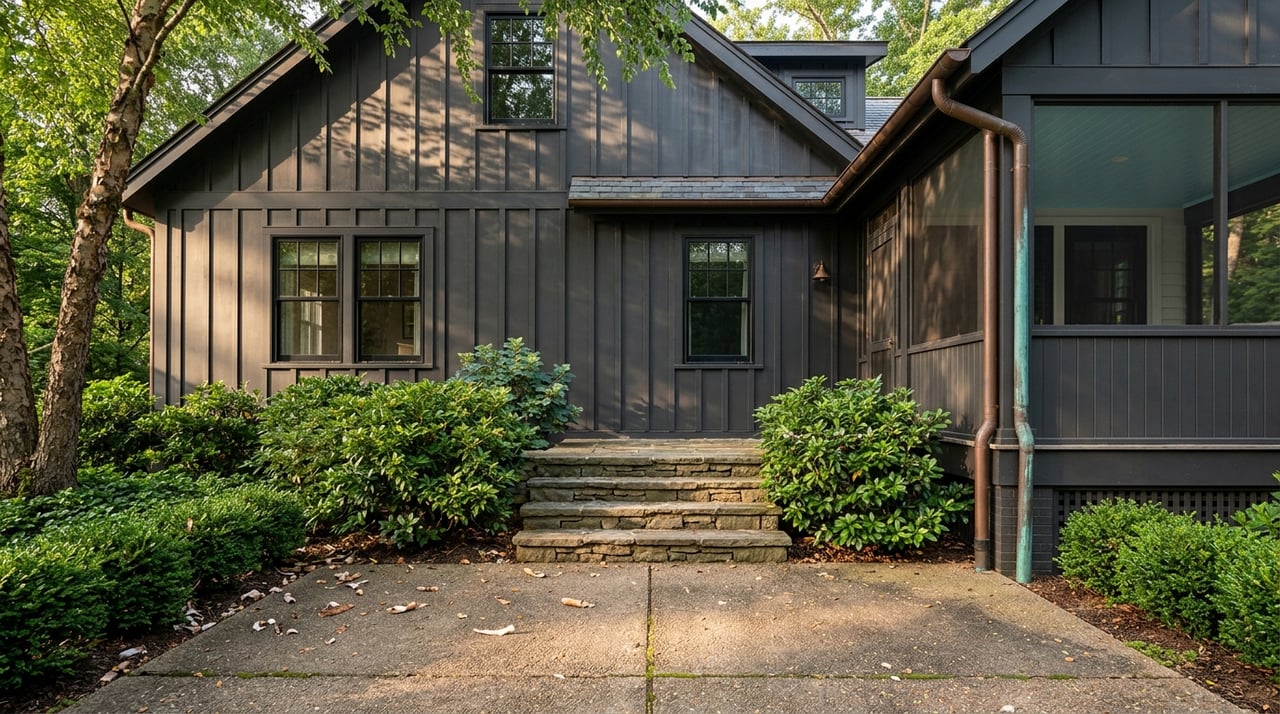
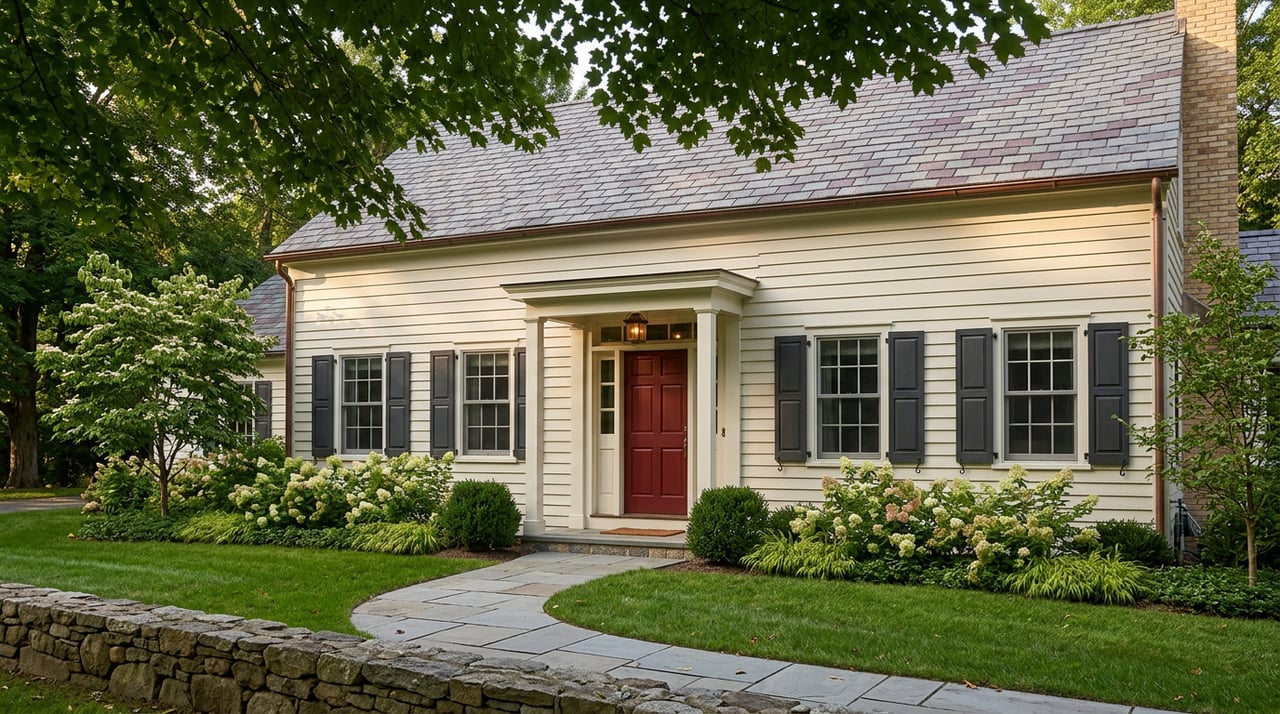
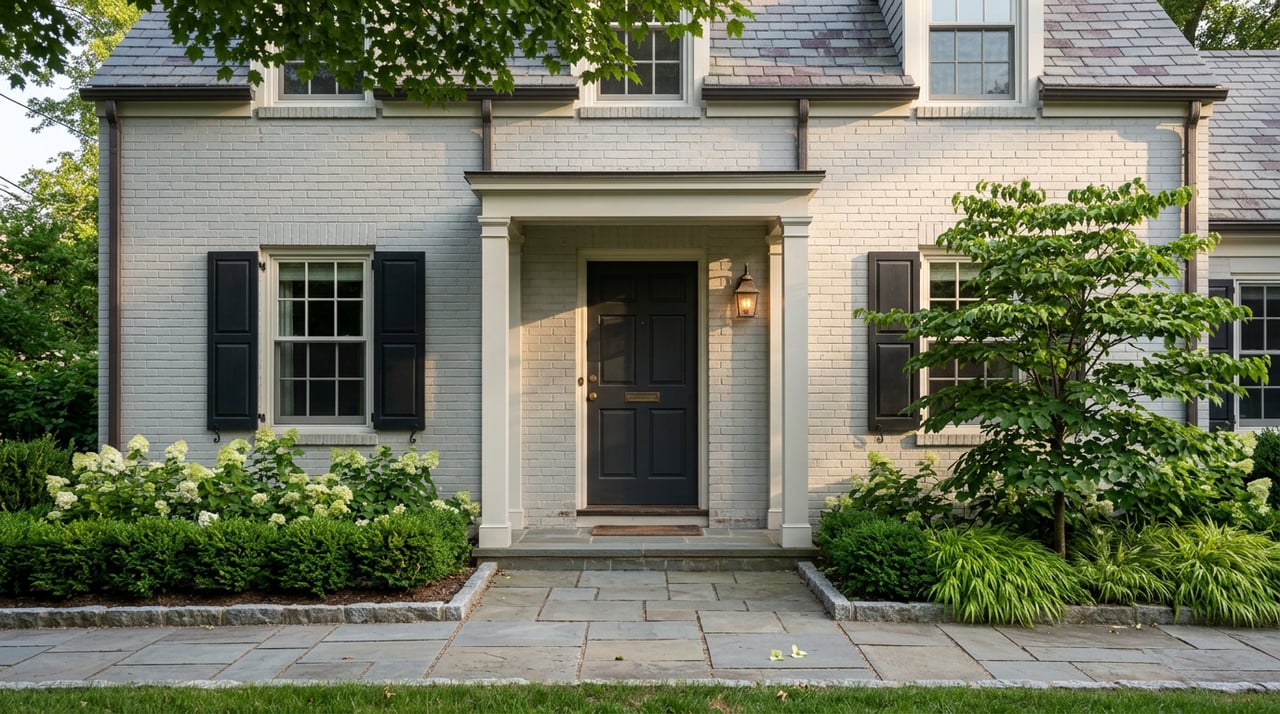
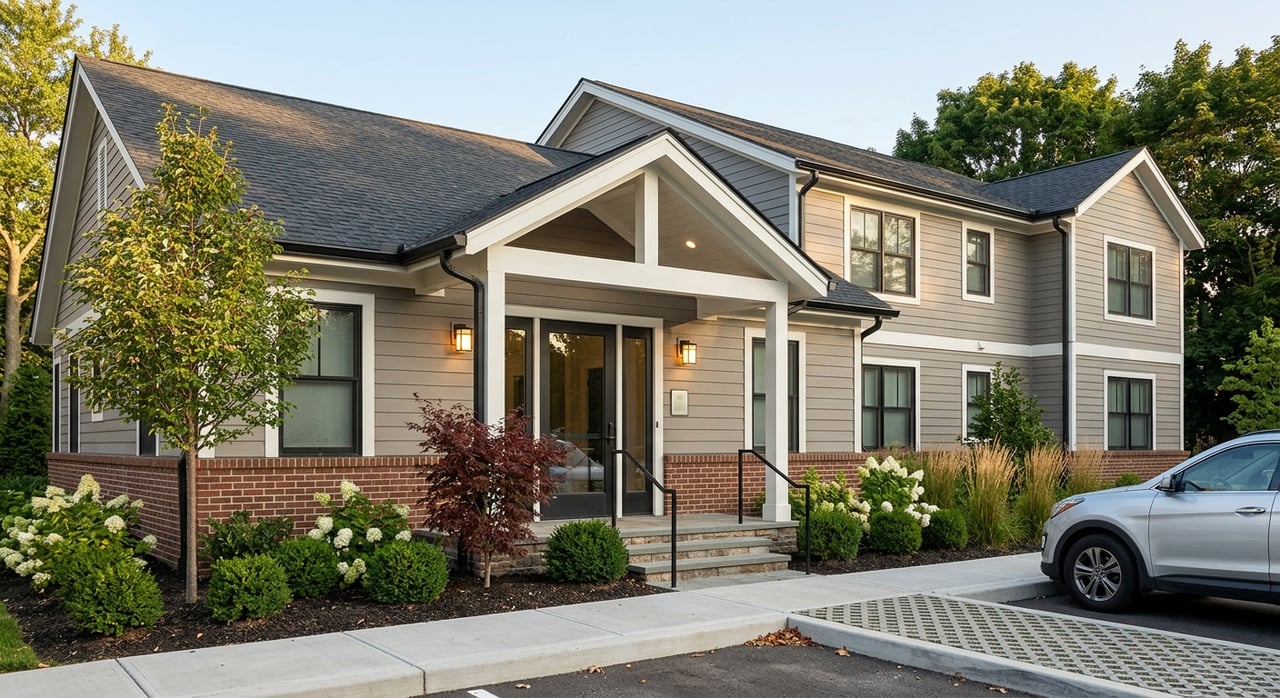
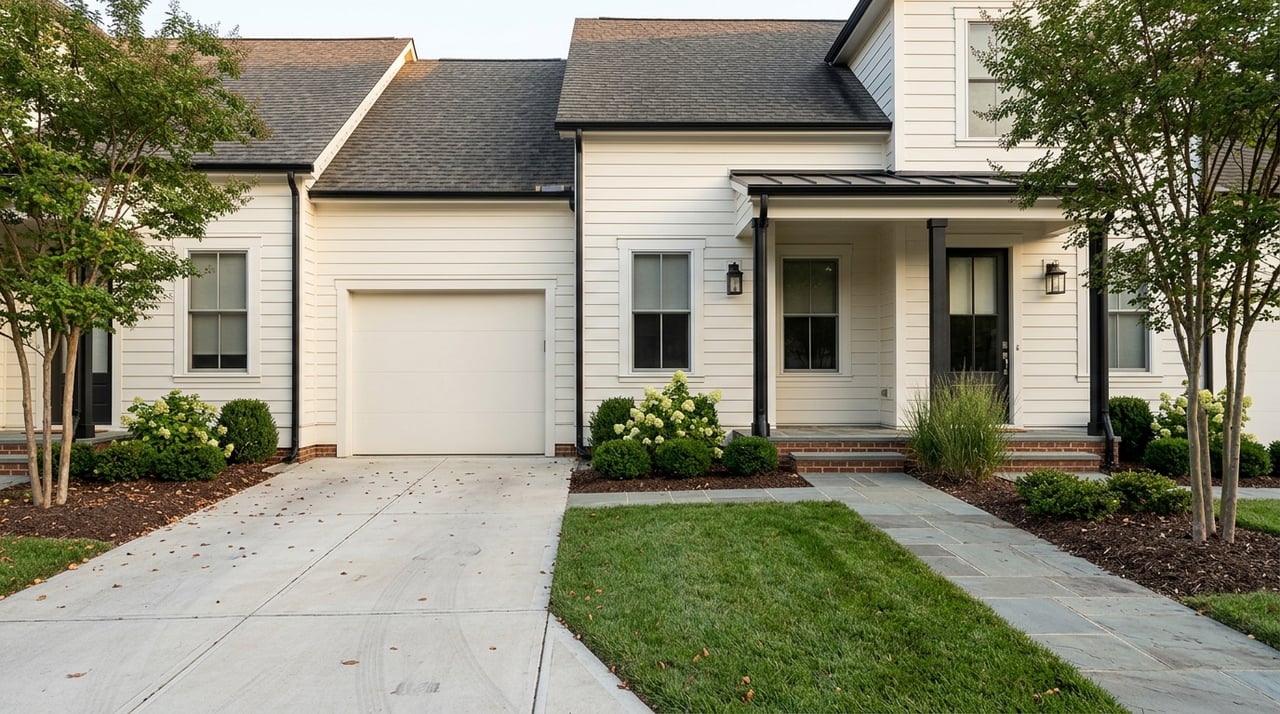
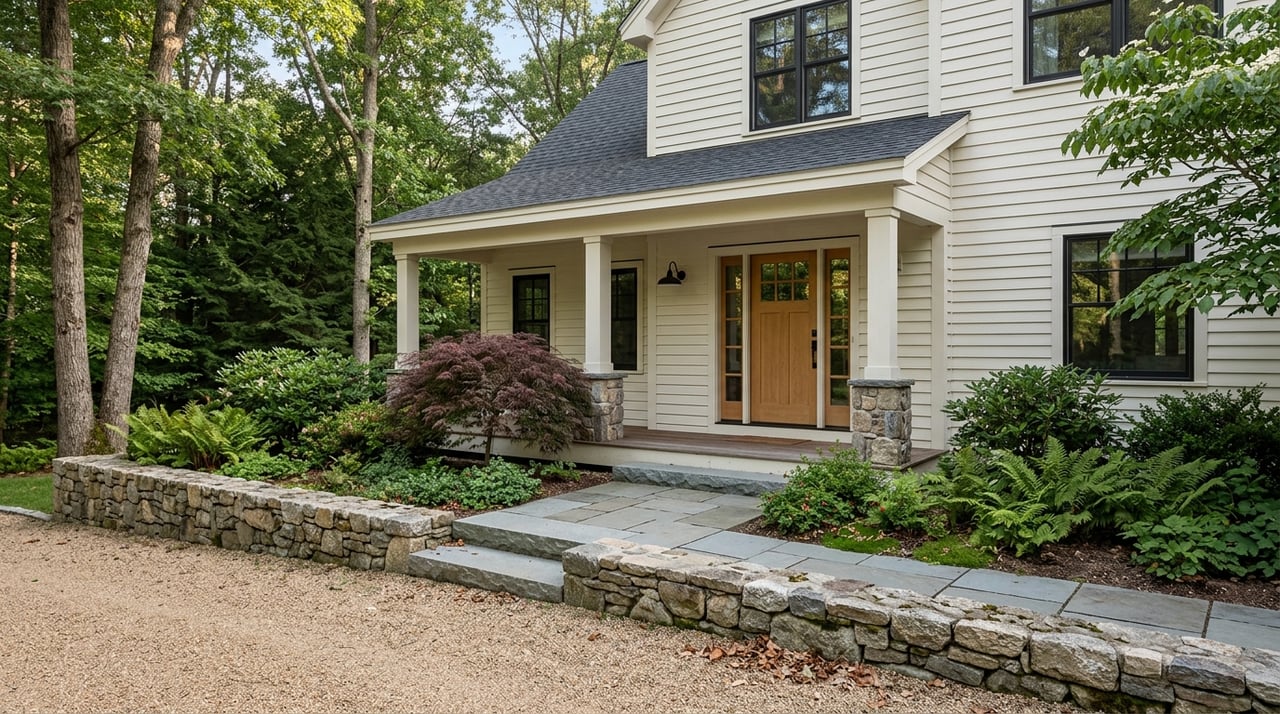
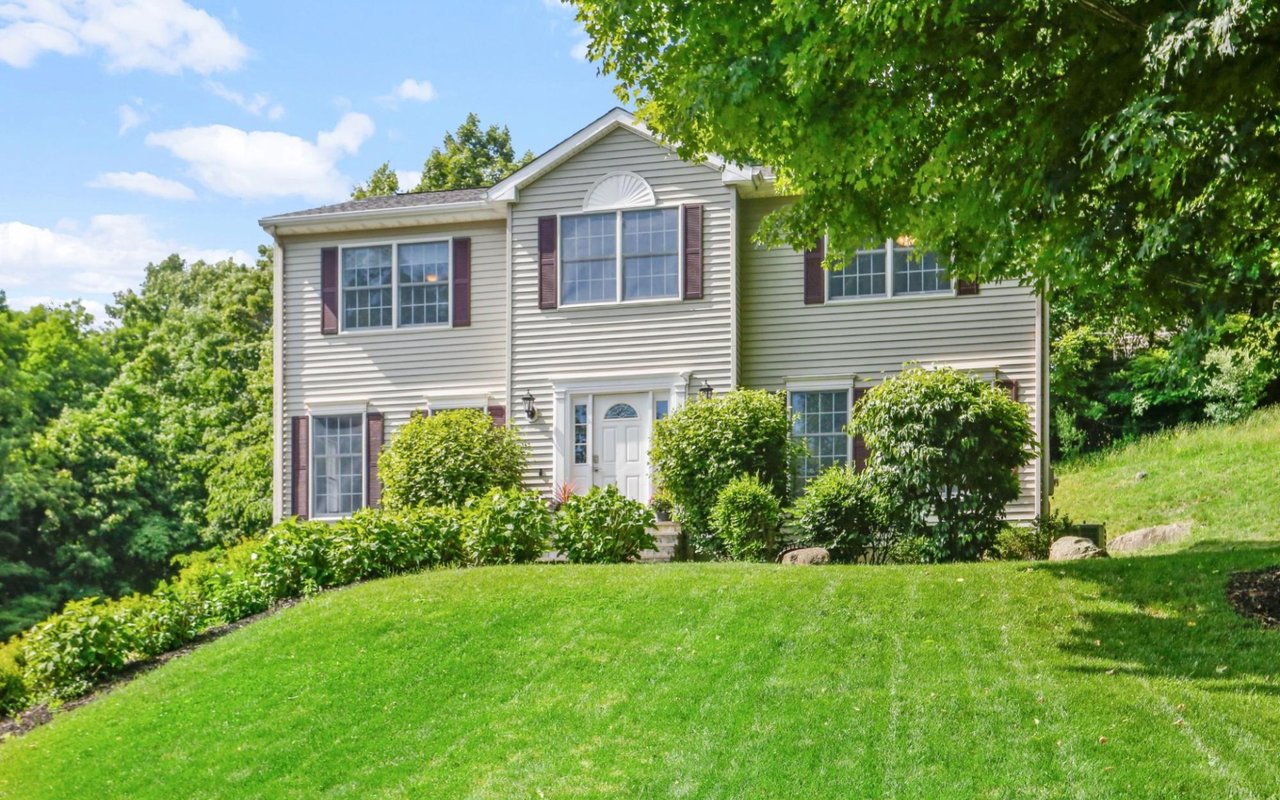
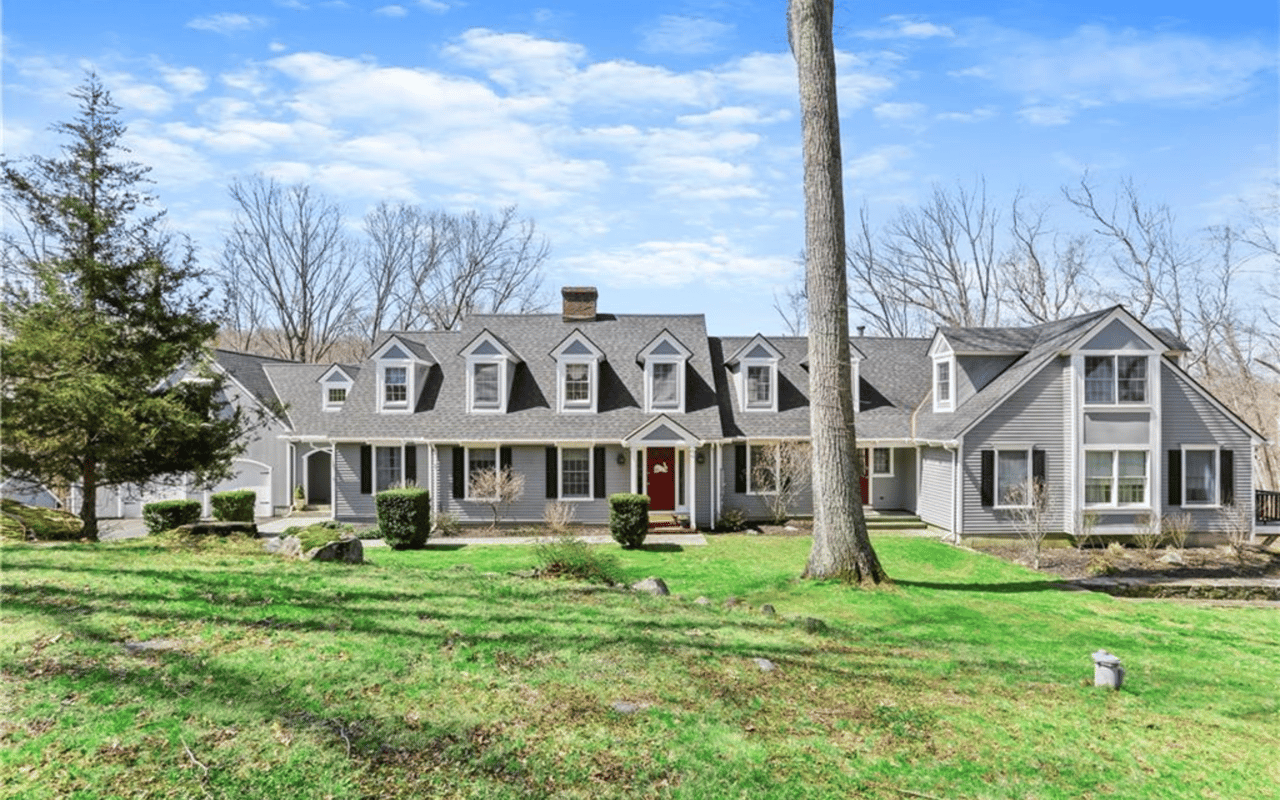
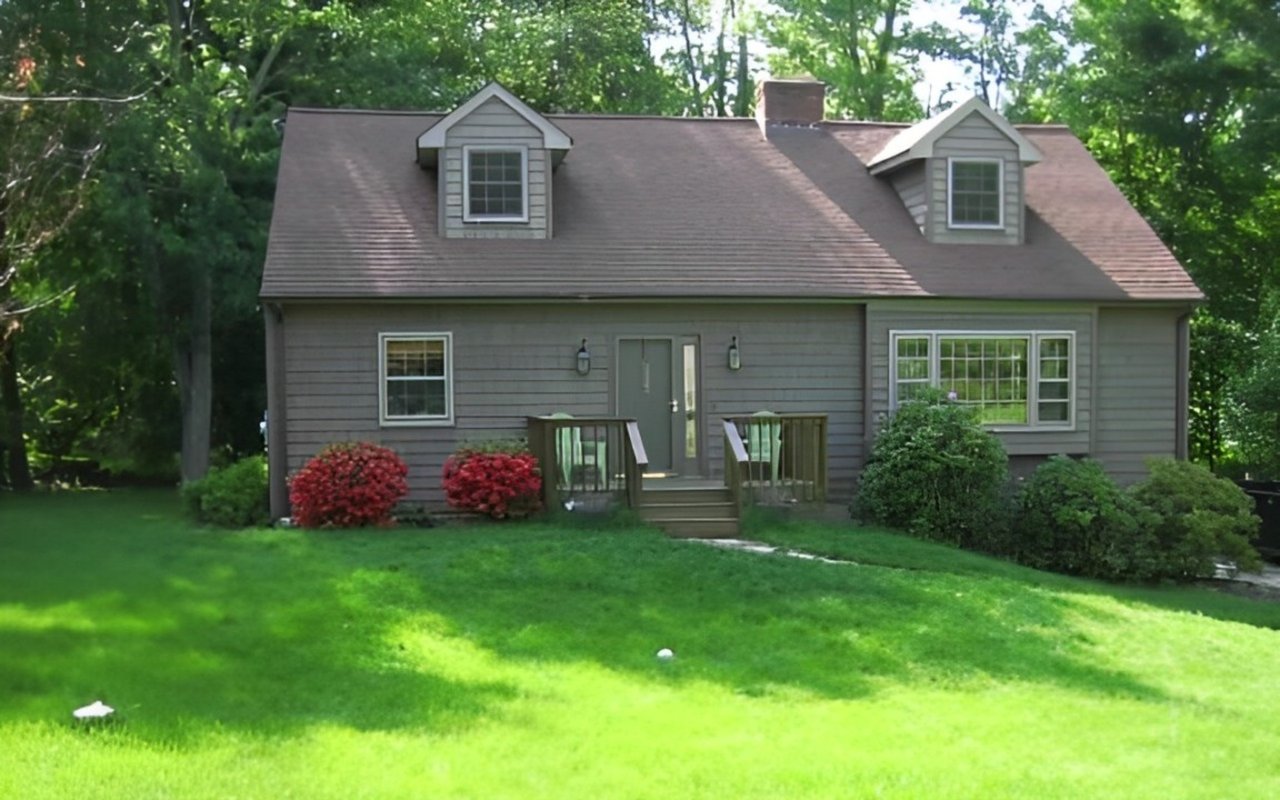
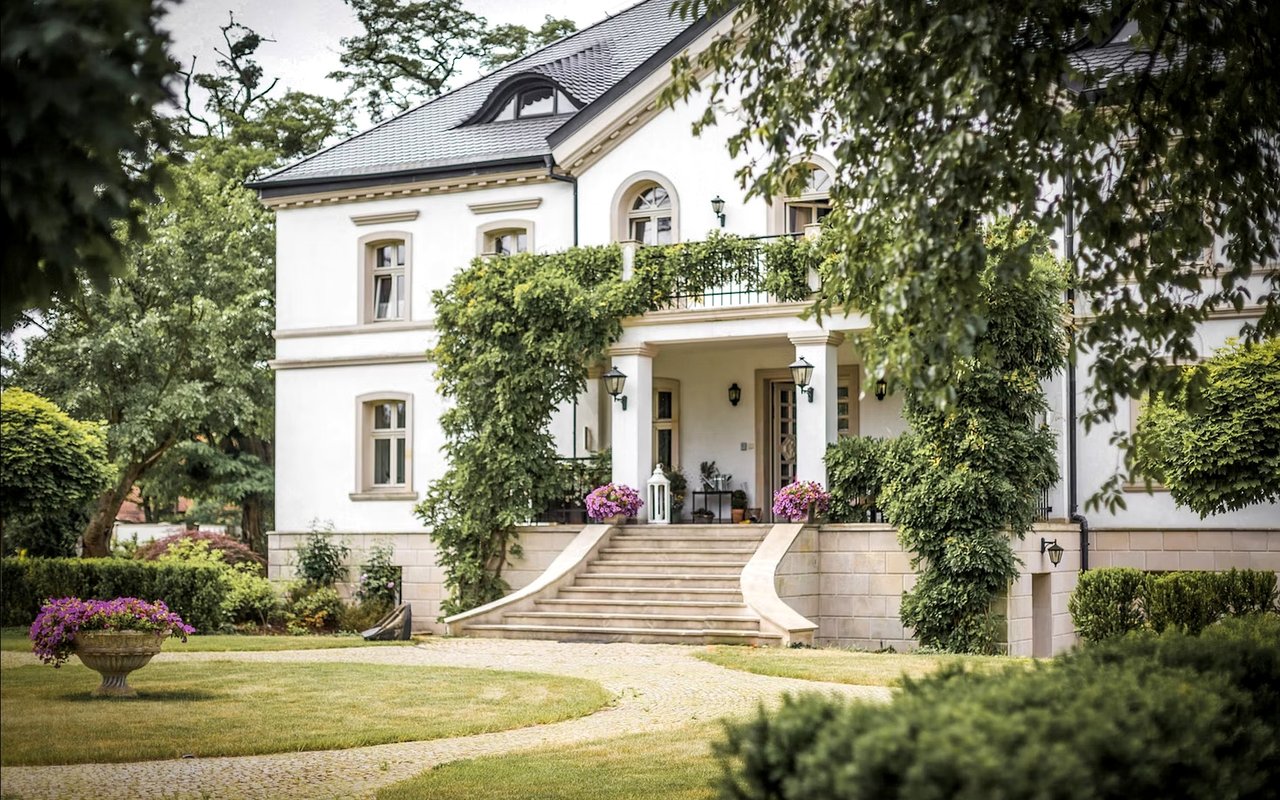
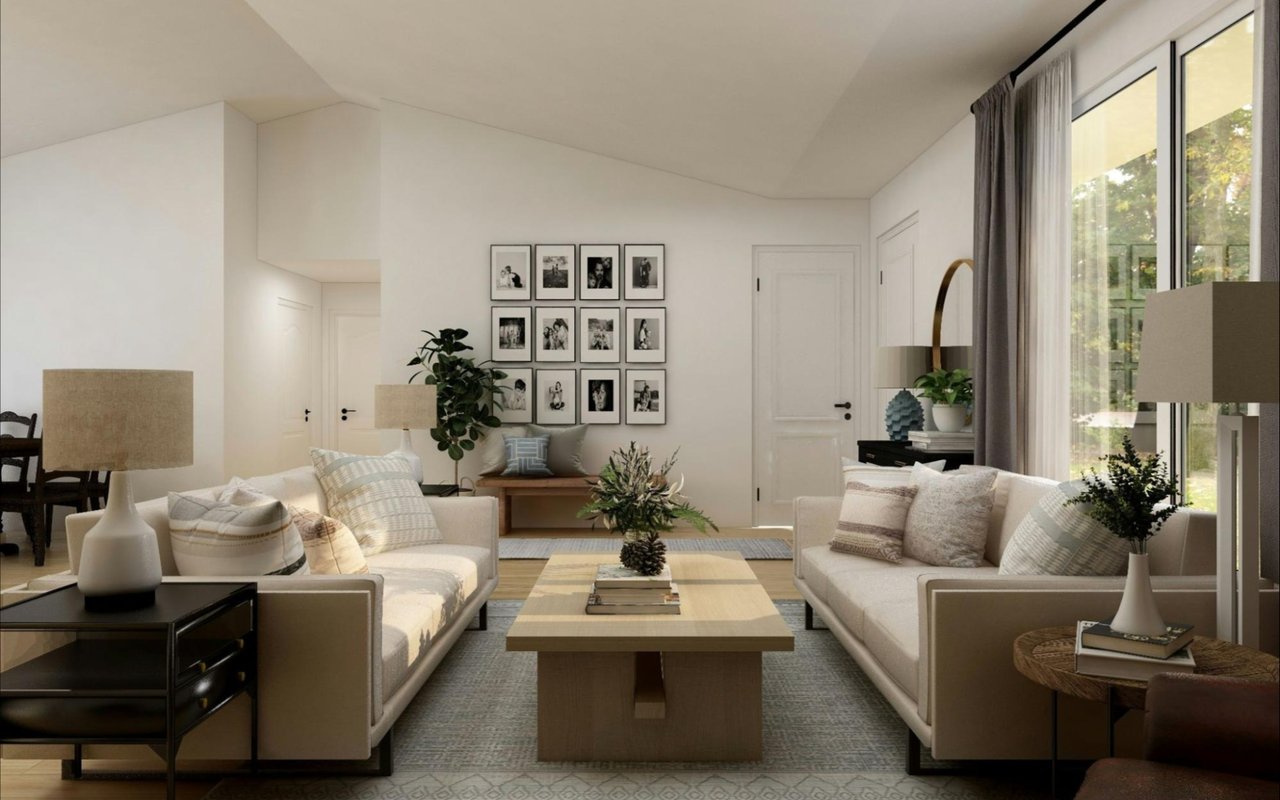
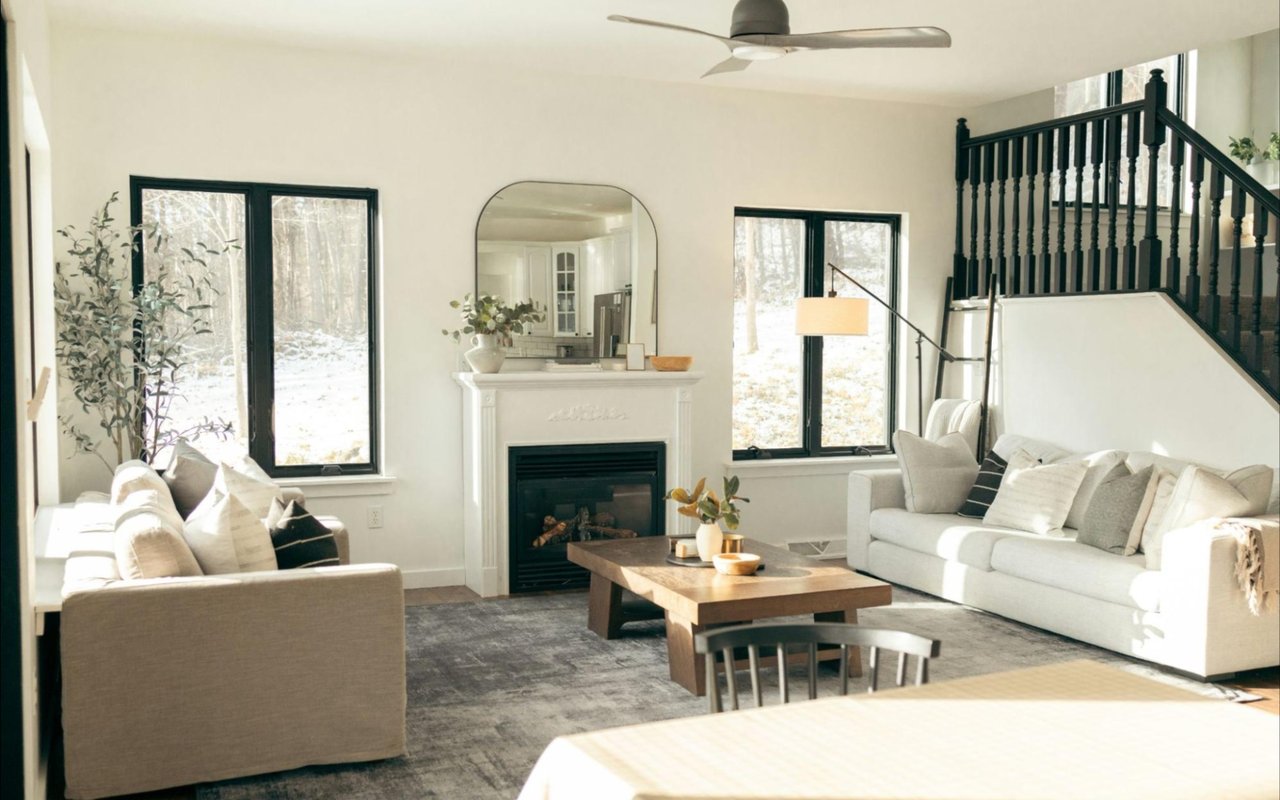
If you are picturing one uniform type of house, Redding is more varied than that. The town’s housing story includes older village-era homes, a large share of mid-century and late-twentieth-century single-family houses, and newer custom homes that tend to be larger and more high-end.
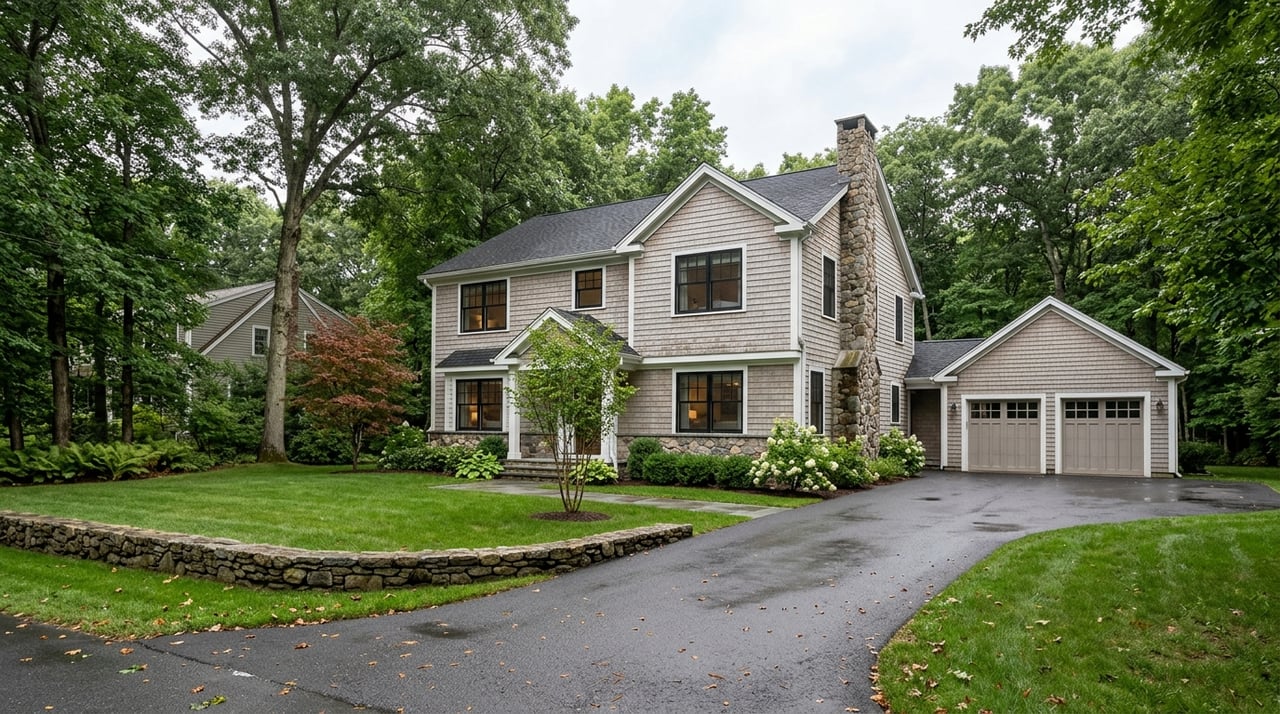
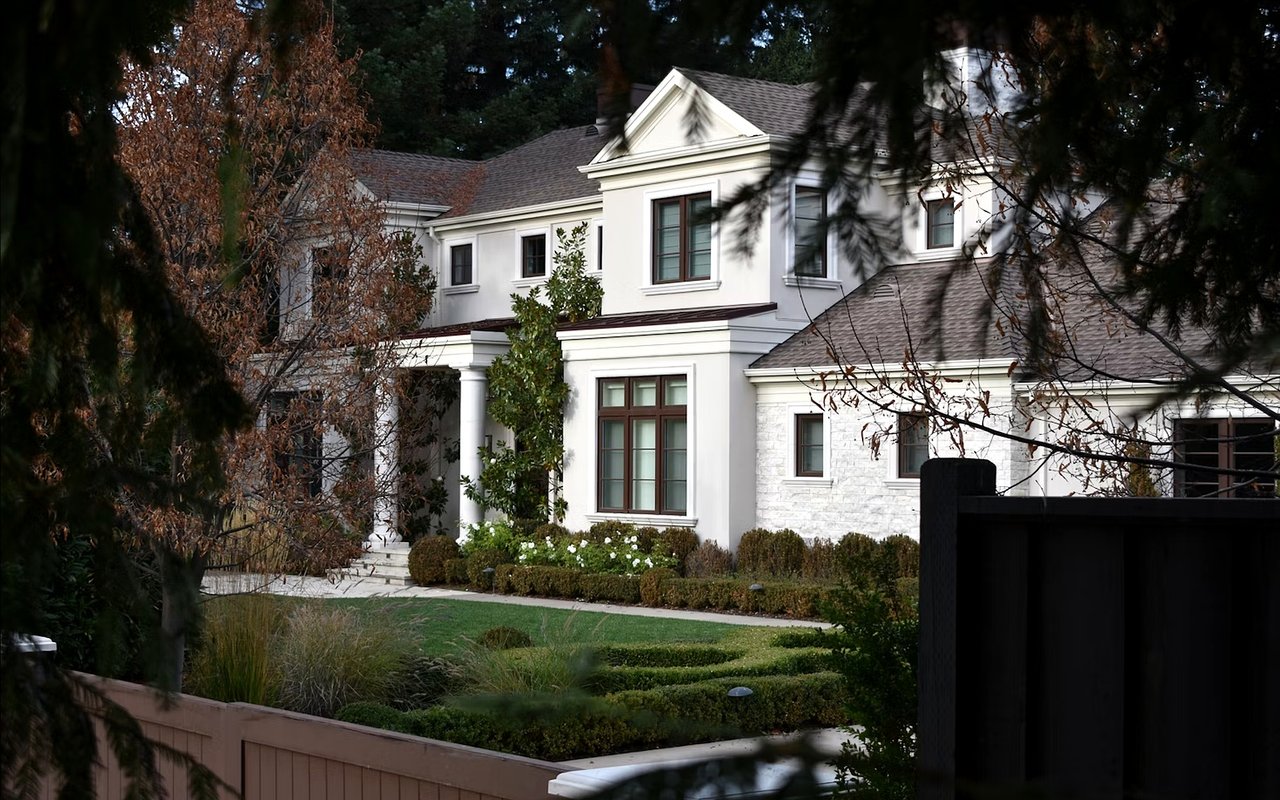
The town plan reports that 88.7% of residential units were single-family in 2018. It also notes that homes built from the 1960s through the late 1980s were commonly 3- or 4-bedroom houses with attached 1- or 2-car garages. Newer construction often trends larger, with 5 or 6 bedrooms and three-car garages.
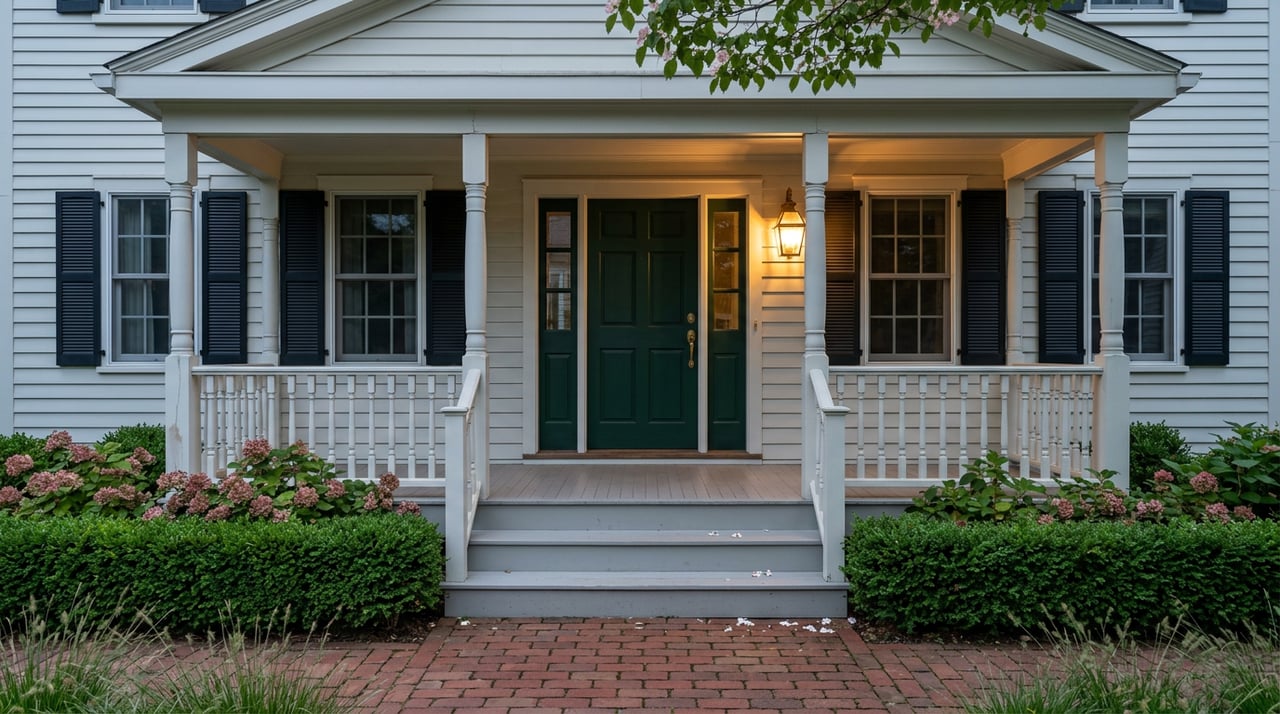
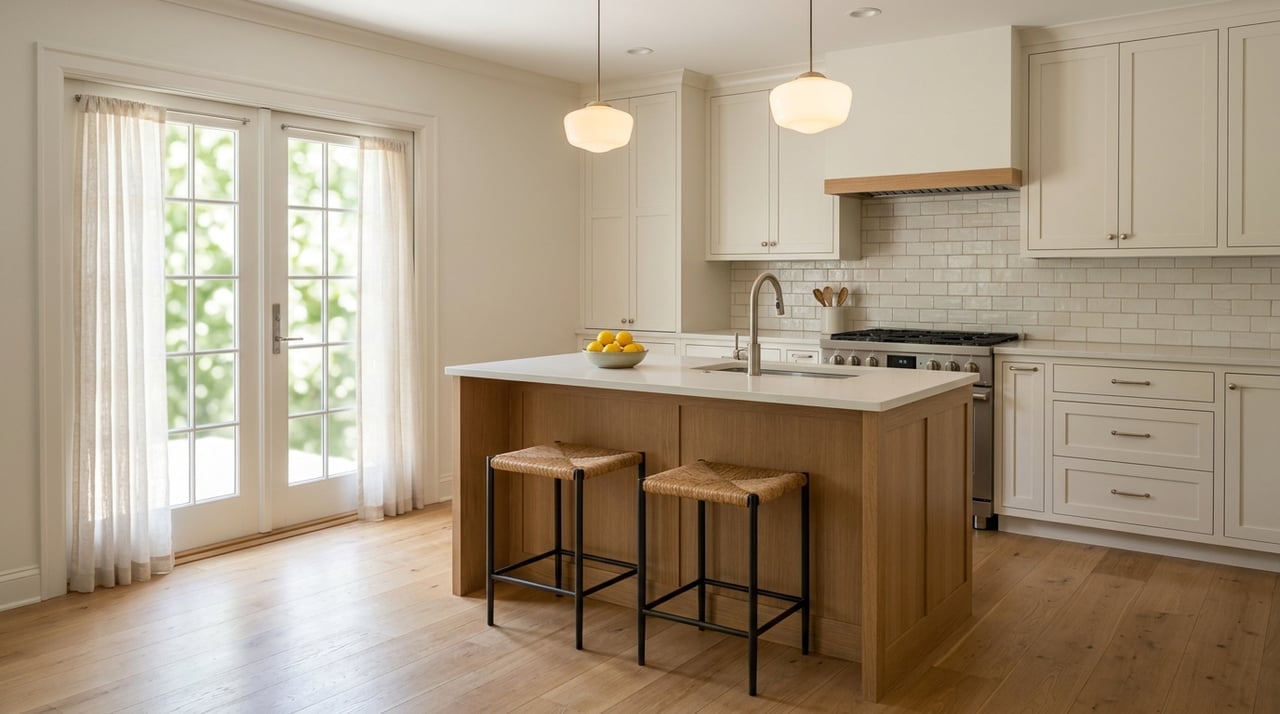
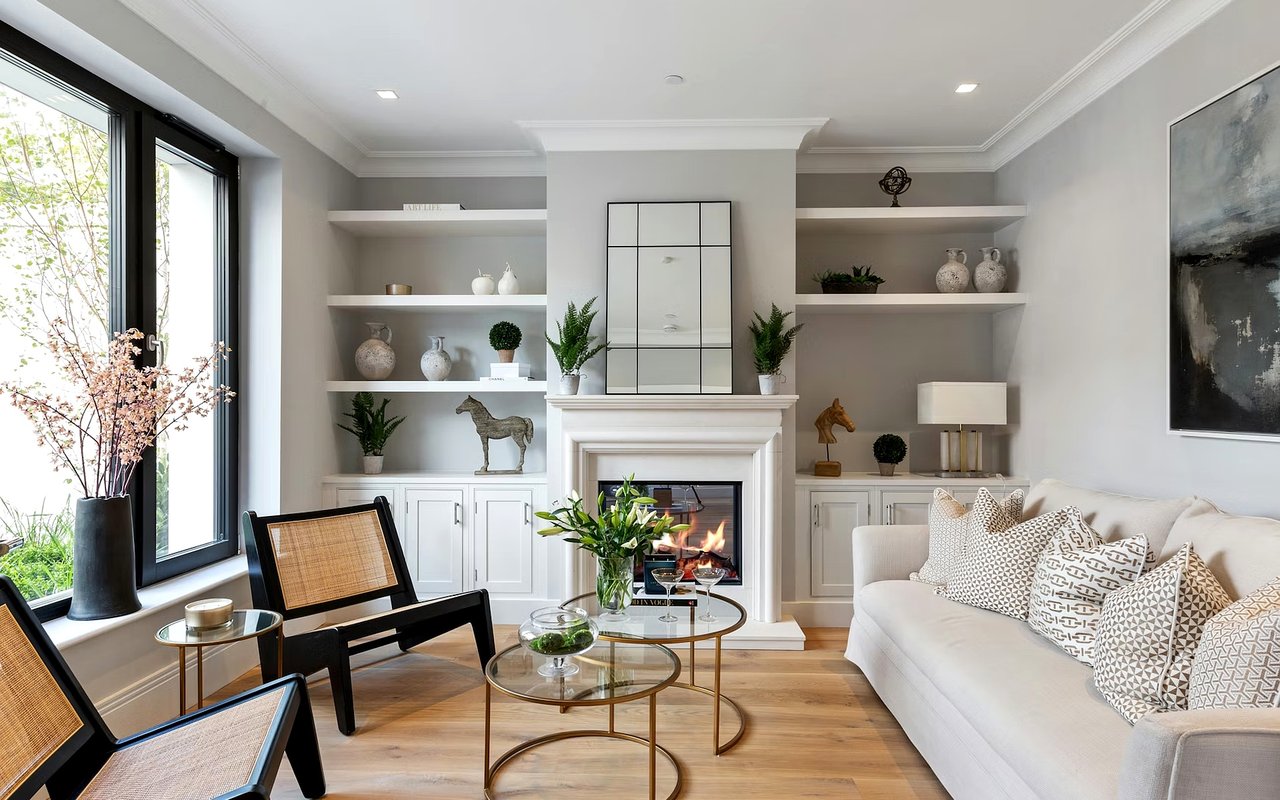
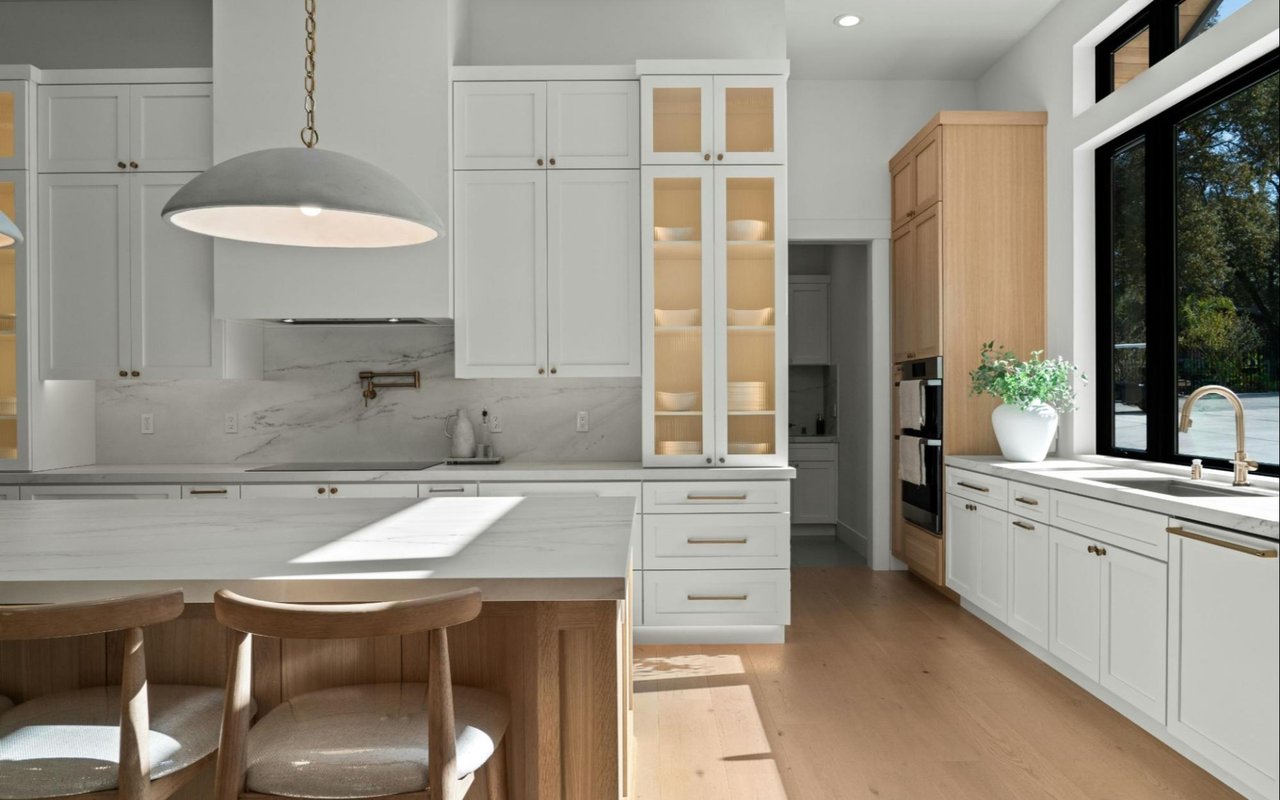
That range can be helpful if you are searching with a specific lifestyle in mind. You may find traditional homes with older architectural character, practical move-up homes with more established layouts, or larger custom properties with more updated finishes and square footage.
Historic character in parts of town
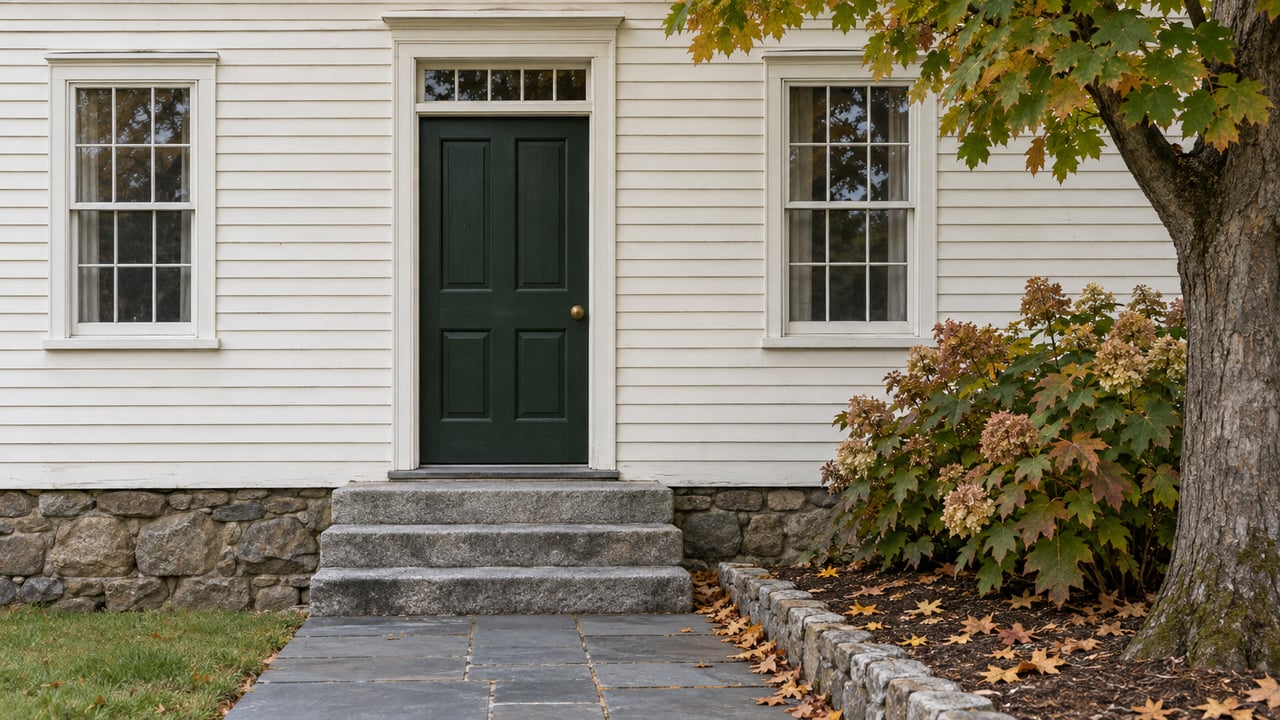
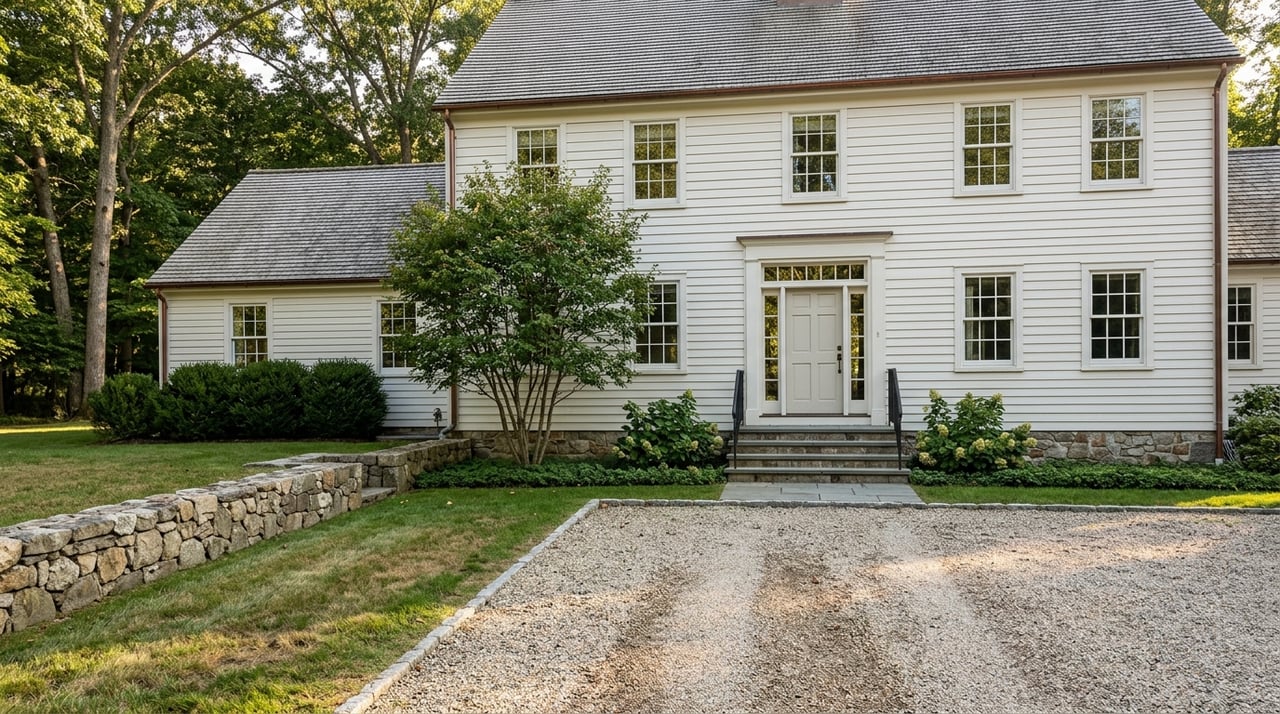
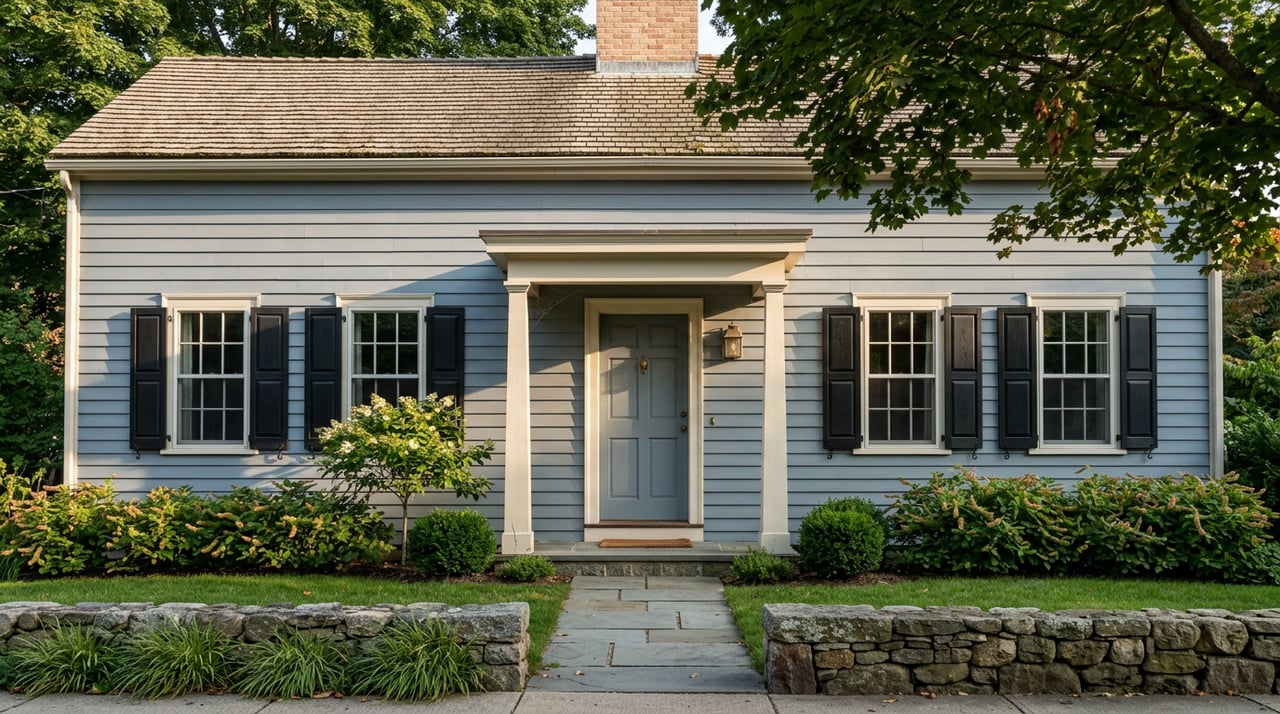
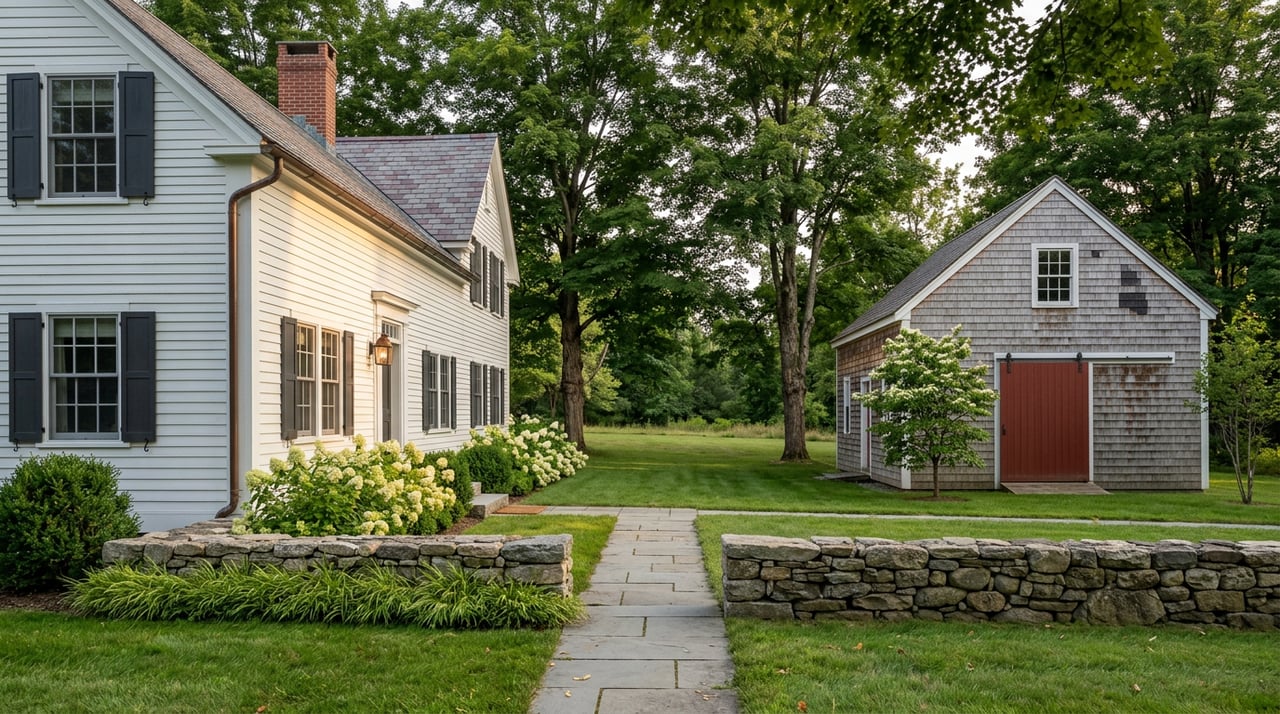
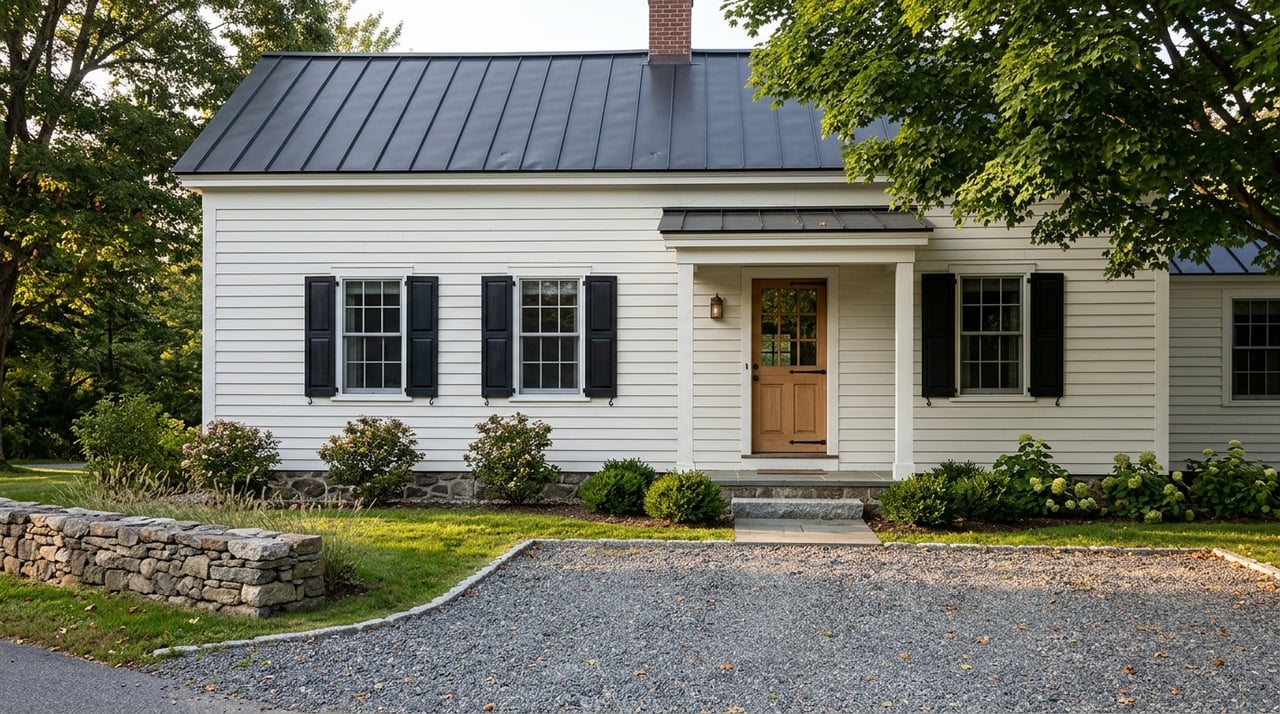
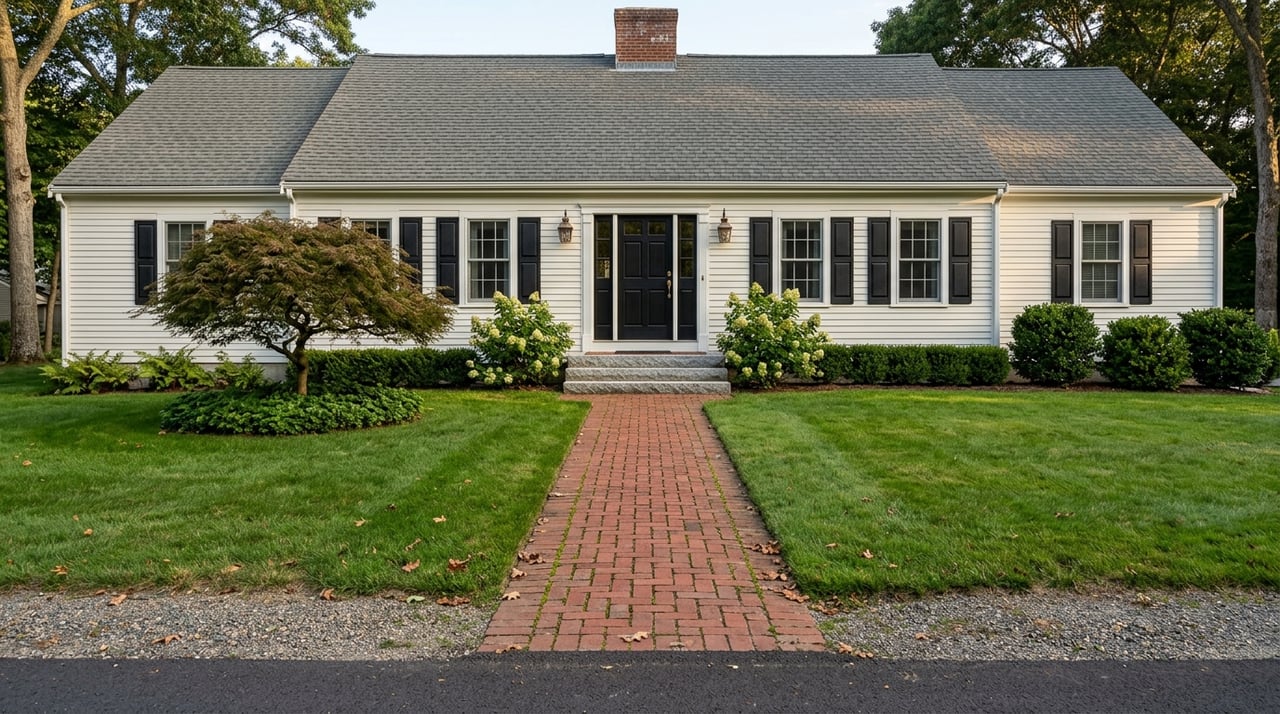
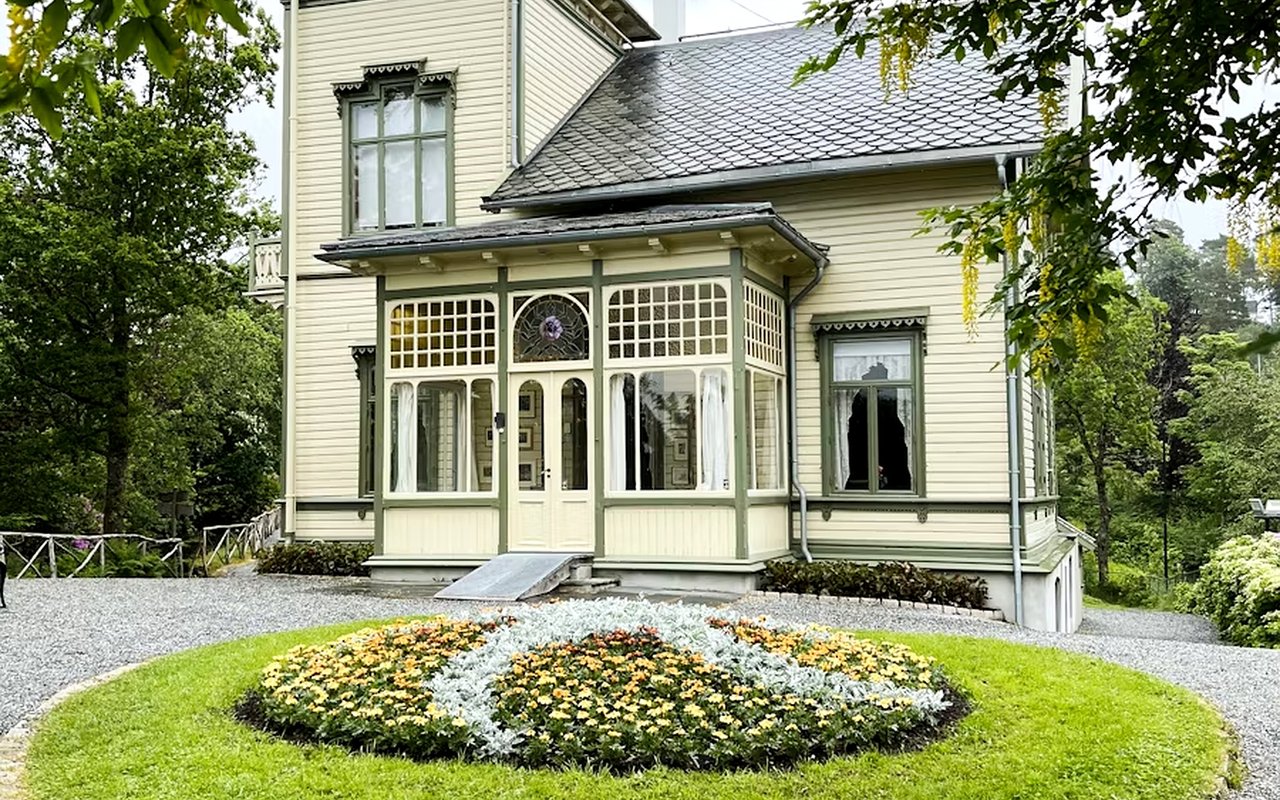
The Redding Center Historic District reflects an older rural Connecticut landscape shaped by nineteenth-century farming patterns. The district includes traditional center-chimney, center-entry, gable-roofed homes, along with Greek Revival, Italianate, and Colonial Revival houses set on large yards, sometimes with barns.
For buyers who value architectural detail, that historic fabric adds another layer to Redding’s appeal. It also reinforces that the town’s identity is rooted in long-standing residential and rural patterns rather than recent large-scale subdivision growth.
Outdoor lifestyle is a real part of daily life
In many towns, access to nature is a bonus. In Redding, it is part of the core experience. The town’s open-space plan describes these lands as sanctuaries, preserves, and natural areas managed for conservation, passive recreation, natural resources, and outdoor education.
Town code states that open-space land is open daily from a half-hour after sunup to a half-hour before sunset. That kind of structure supports a lifestyle where walking, hiking, and time outdoors can become a regular part of your week rather than an occasional outing.
The trail network is also extensive. The Redding Land Trust reports roughly 77 miles of trail on Redding ground as of January 2026, spanning town, state, land trust, Nature Conservancy, Connecticut Audubon, and Aquarion properties.
If you want a town where home life and the outdoors naturally connect, this is one of Redding’s strongest selling points. The rhythm here tends to center on home, trail time, and village errands more than a busy commercial scene.
Village areas and everyday convenience
Redding is not built around a dense downtown, and that matters if you are comparing it to towns with more concentrated retail or restaurant districts. The town plan points to Georgetown as the principal village exception, while West Redding Center includes the train station, post office, residences, and several businesses.
For many buyers, that means adjusting expectations in a good way. You are choosing Redding for space, scenery, and a residential atmosphere first. Daily convenience exists, but the town’s layout and character are more about small centers and regional access than a big in-town commercial hub.
Commuting from Redding
One of Redding’s biggest advantages is that it offers a country feel without being isolated. The town plan states that Redding remains within commuting reach of Stamford, Norwalk, Danbury, Westchester County, and Manhattan, which helps explain its long-standing appeal to buyers who need both peace and practicality.
Road access is part of that story. Major expressways sit north and south of town, with I-84 to the north and the Merritt Parkway and Interstate 95 to the south. Routes 7 and 25 serve as the major arterial roads to the west and east, while Routes 53, 57, 58, and 107 mainly handle local intertown traffic.
Rail access is another plus. Redding has access to Metro-North’s Danbury Branch, and the Redding station is listed as accessible. For buyers who want a quieter home setting but still need a workable route into surrounding business centers, that can make the town easier to consider.
Who Redding may suit best
Redding tends to appeal to buyers who want land, privacy, and a more residential pace. If you are moving from a denser town or city and want more trees, larger lots, and a stronger connection to outdoor space, the town’s layout may feel refreshing.
It can also make sense if you are looking for a long-term home base with room to spread out. Because so much of the housing stock is single-family and the zoning stays low-density, the town offers a level of consistency in character that many buyers value.
You may especially want to explore Redding if your priorities include:
- A semi-rural setting with preserved open space
- Larger lot sizes and lower-density neighborhoods
- Single-family homes in a range of ages and styles
- Trail access and passive outdoor recreation
- Regional road and rail connections for commuting
What to keep in mind before moving
Redding’s strengths are also the reason it is not for everyone. If you want a lively downtown, dense walkability, or a wide range of in-town retail close together, you may find the town quieter and more spread out than expected.
That said, for the right buyer, that is exactly the point. Redding offers a setting where the home itself, the land around it, and the surrounding natural environment play a larger role in everyday life.
When you are evaluating homes here, it helps to look beyond square footage alone. Lot size, privacy, road access, proximity to village areas, and the home’s age and style can all shape how well a property fits your goals.
Why local guidance matters in Redding
Because Redding has a distinct mix of historic homes, mid-century properties, and newer custom construction, the buying process can be more nuanced than it first appears. Two homes with similar bedroom counts may offer very different land use, layout, updating needs, and commute patterns.
That is where local, property-specific guidance matters. If you are comparing settings, evaluating condition, or thinking through improvement potential, having an experienced advisor can help you narrow down the right fit with more confidence.
If you are considering a move to Redding or trying to decide which Fairfield County town best matches your lifestyle, Lisa Bowman can help you weigh the trade-offs and find the right next step.
FAQs
What is the overall feel of living in Redding, CT?
- Redding is officially described as a semi-rural residential town with hills, valleys, streams, meadows, winding lanes, and traditional homes, with a quiet setting that still supports commuting to nearby regional hubs.
What types of homes are common in Redding, CT?
- Most of Redding’s housing is single-family, with a mix of older historic homes, mid-century and late-twentieth-century houses, and newer larger custom homes.
Does Redding, CT have large lot sizes?
- Yes. The town plan says 97.4% of Redding is zoned for single-family residential use on minimum lots of two acres or larger, although some zones have different minimums and Georgetown has a different pattern.
Is Redding, CT good for outdoor recreation?
- Redding has a strong open-space culture, with town-managed open space for conservation and passive recreation, plus roughly 77 miles of trail on lands across multiple public and conservation owners.
Can you commute from Redding, CT to other Fairfield County hubs?
- Yes. The town plan says Redding is within commuting reach of Stamford, Norwalk, Danbury, Westchester County, and Manhattan, with access to major regional roads and the Metro-North Danbury Branch station in Redding.