By Bowman Properties
New Milford’s streets tell a story—not just of history, but of architectural evolution. From early colonial homes to thoughtfully updated contemporary builds, this Litchfield County town offers a diverse and meaningful mix of residential styles. At Bowman Properties, we help clients understand not only how a home looks, but how its design connects to the local heritage, lifestyle needs, and long-term value.
Whether you prefer traditional charm or modern simplicity, here’s what to know about the architectural character that defines New Milford—and how to navigate it as a buyer or homeowner.
Key Takeaways
- New Milford includes a wide range of residential architecture, from historic to modern.
- Colonial, Federal, Greek Revival, and vernacular homes are widely represented.
- Modern and updated homes bring energy efficiency and open layouts.
- Understanding design types helps inform maintenance, upgrades, and value.
Colonial and Federal-Style Homes: New Milford’s Foundation
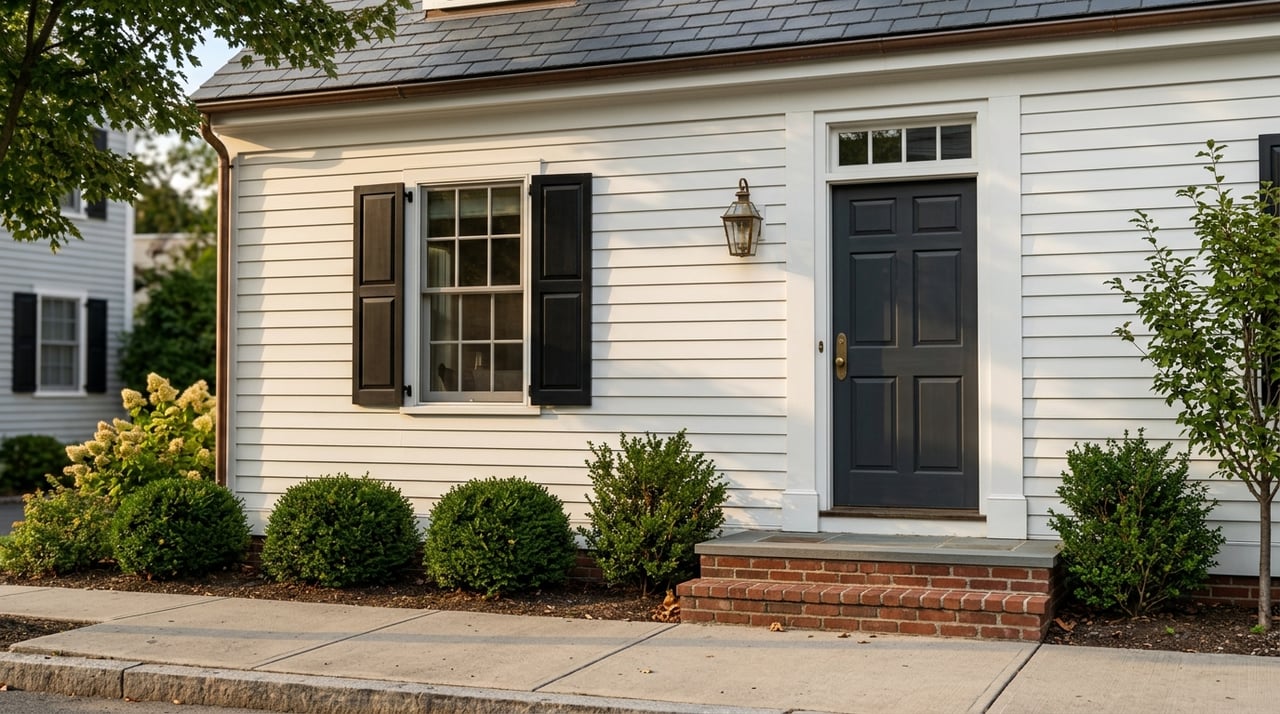
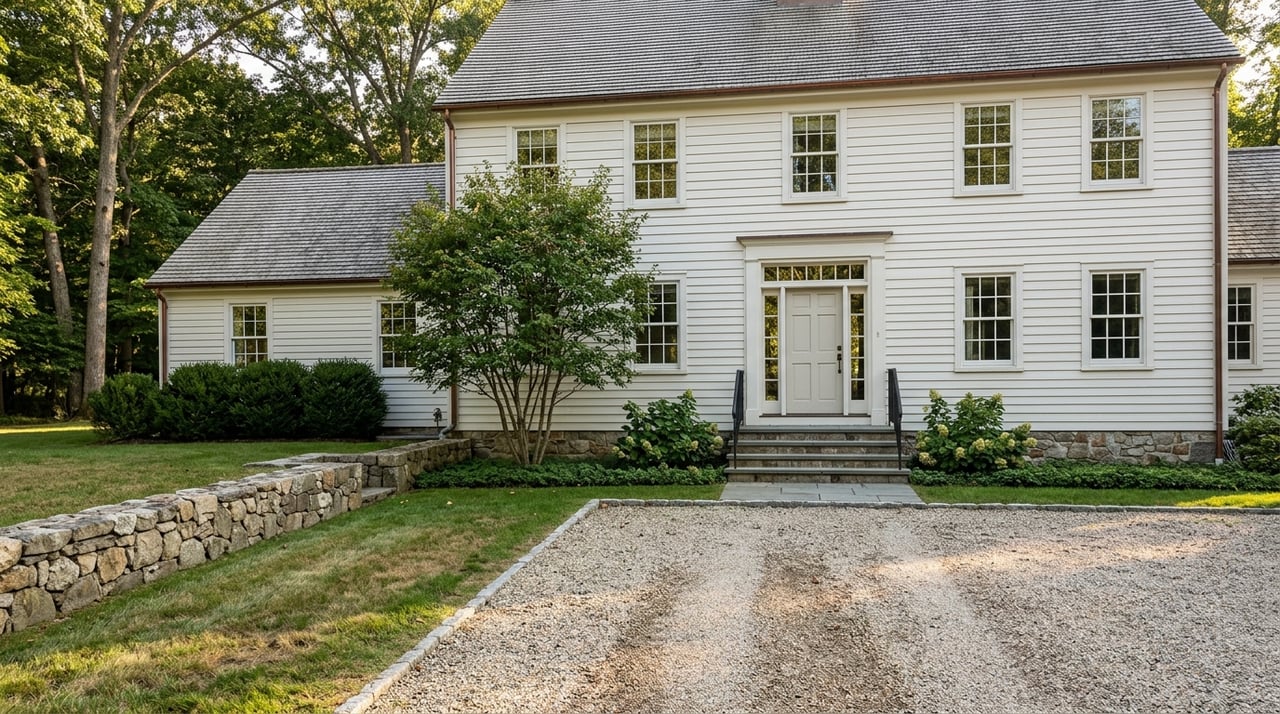
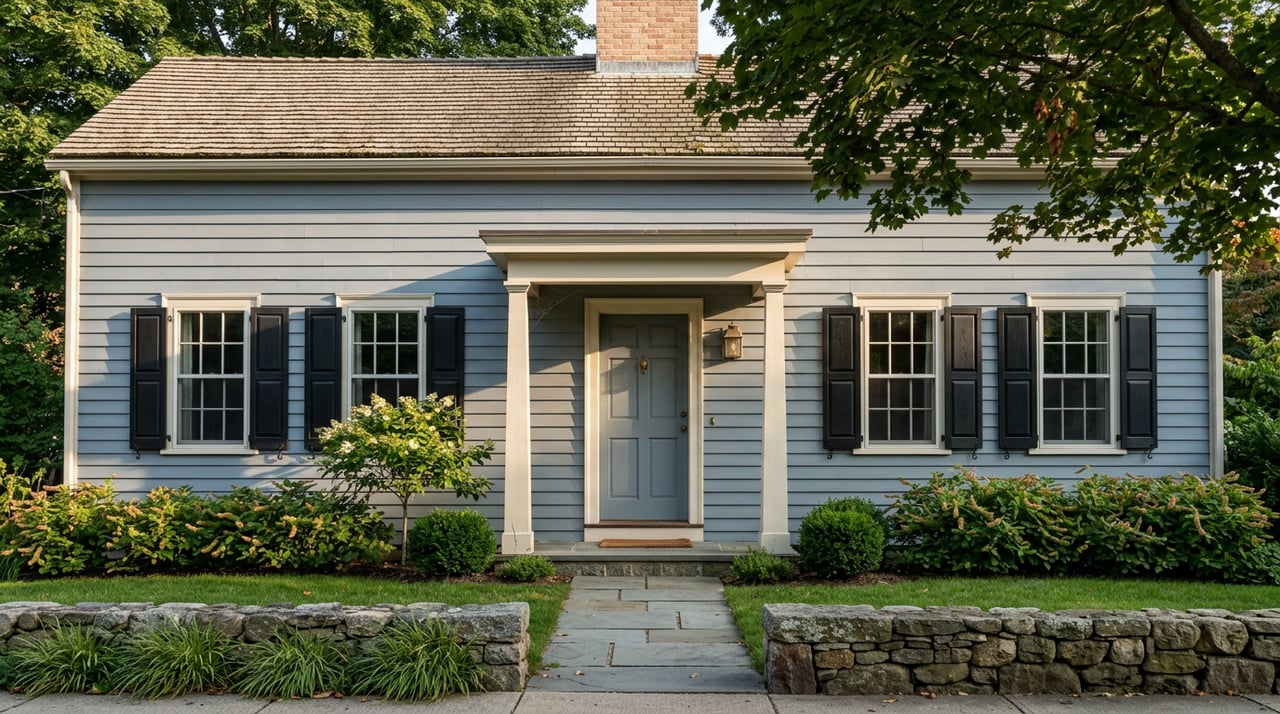
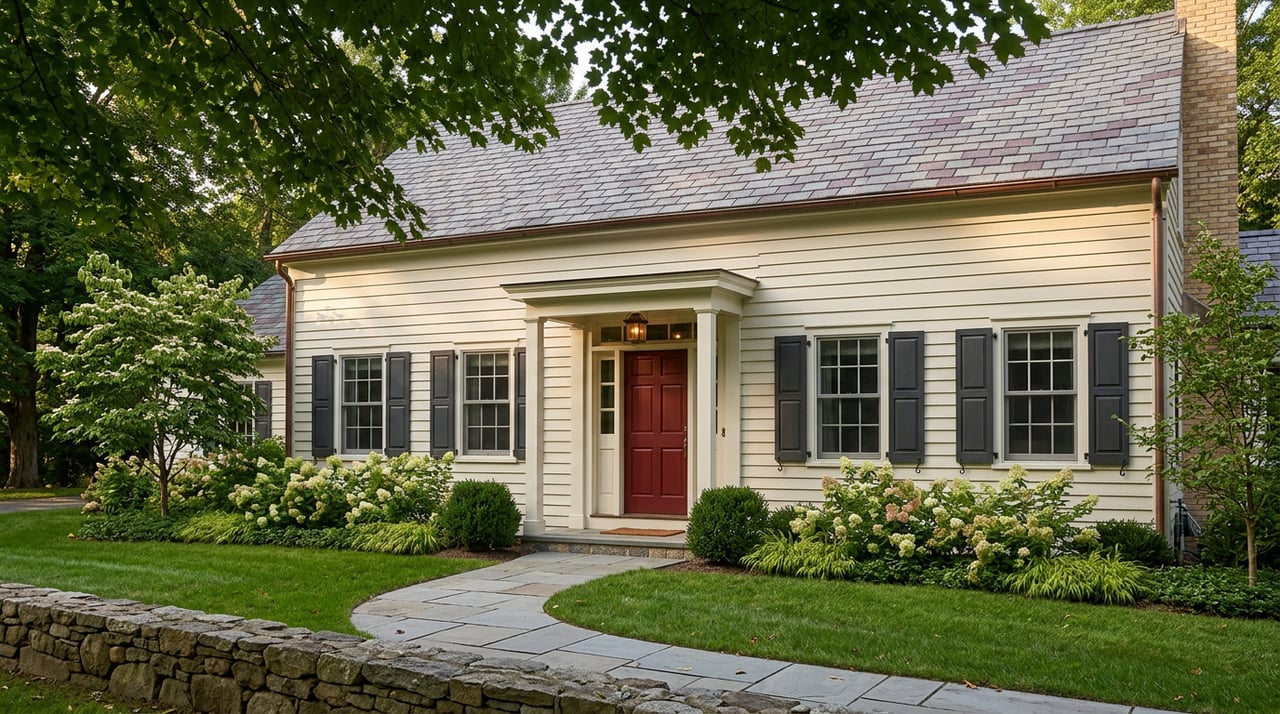
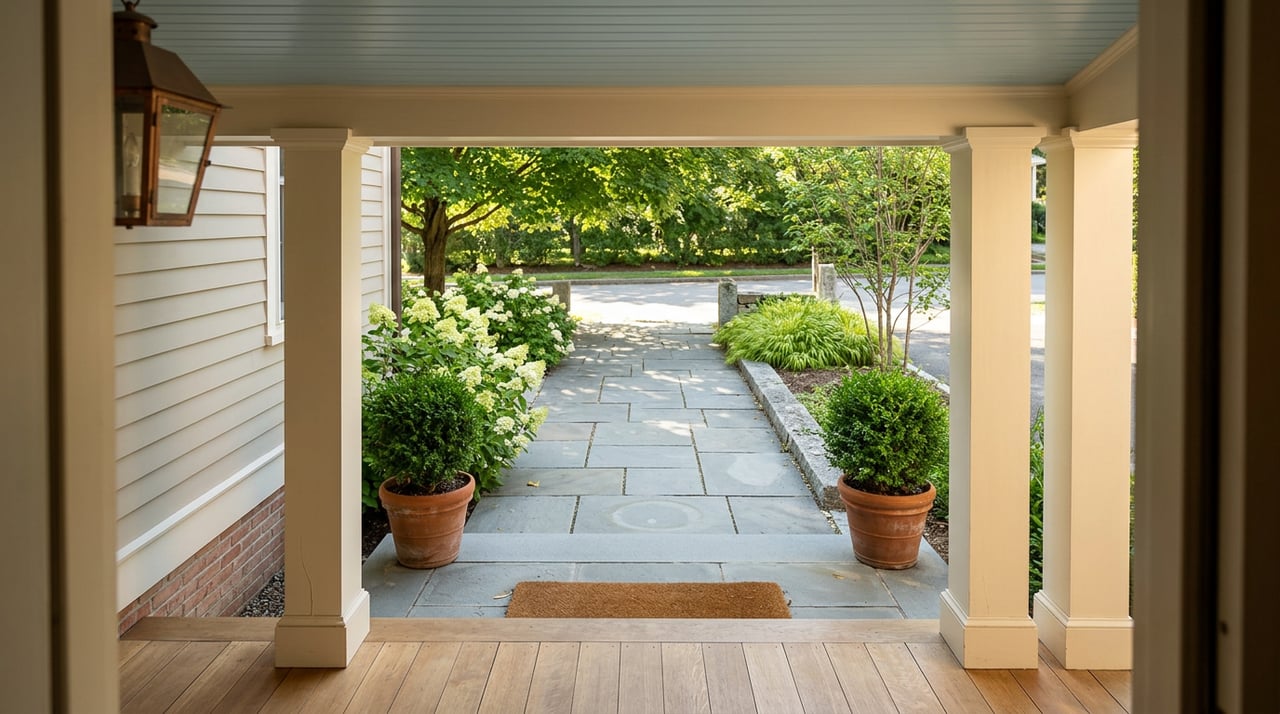
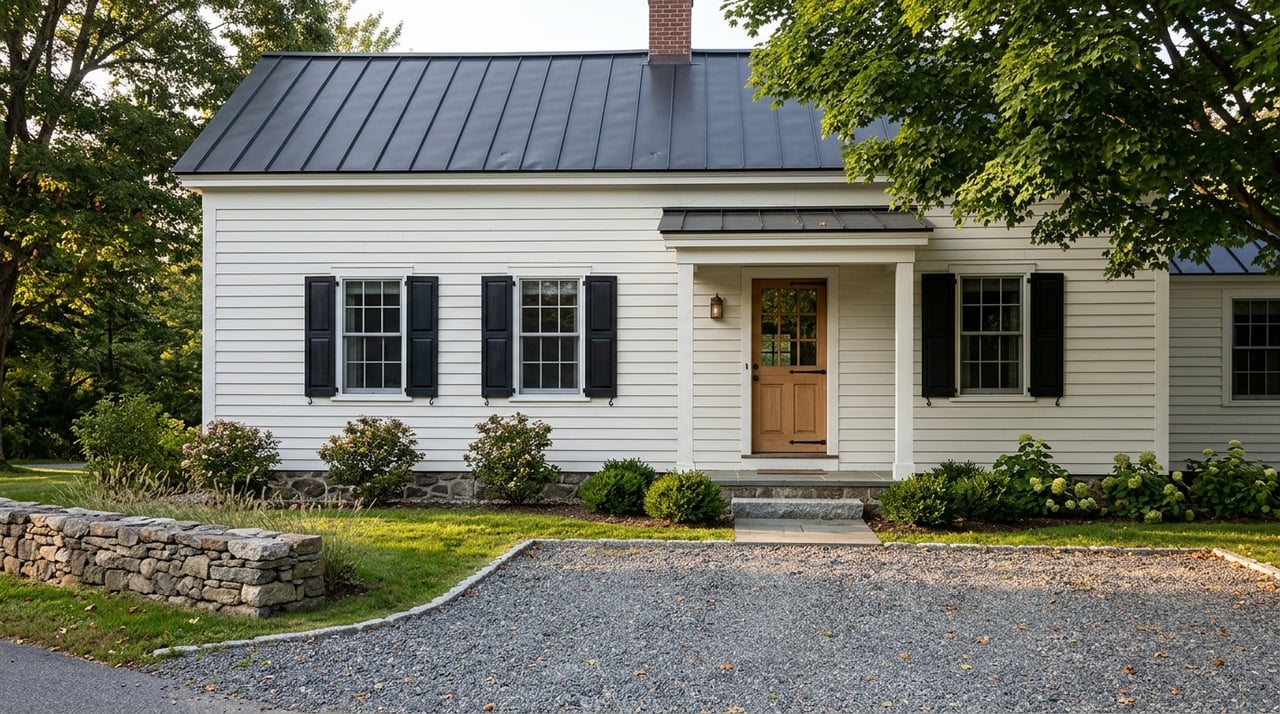
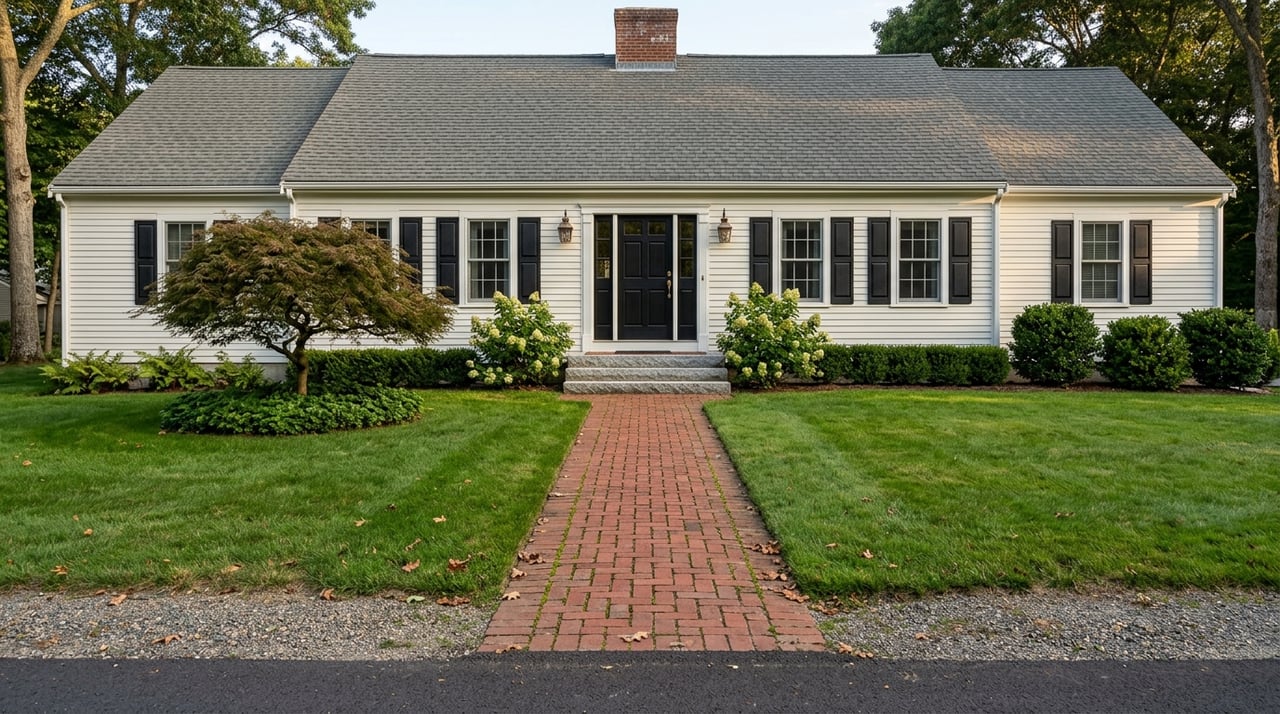
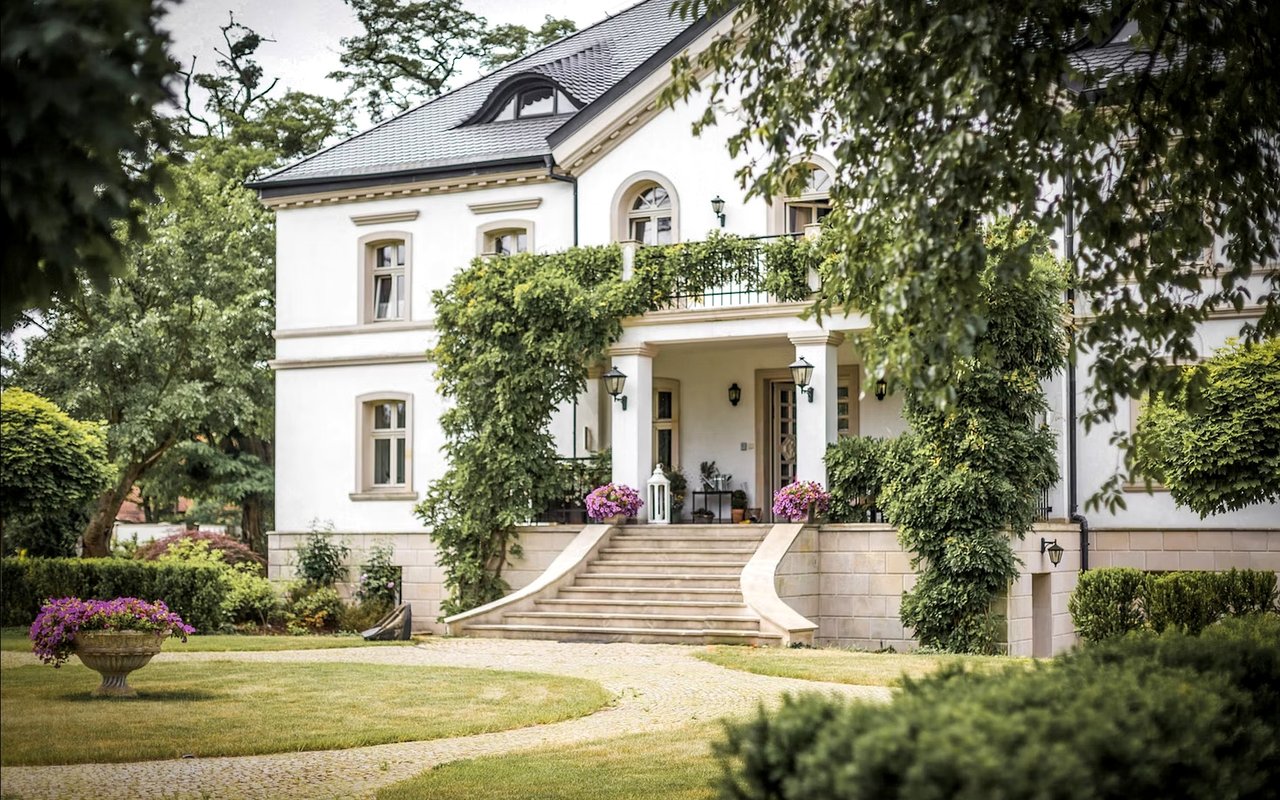
Many of New Milford’s most enduring residences date back to the 18th and early 19th centuries. These homes reflect the town’s colonial roots and Federal-era refinement, with symmetrical facades, gabled roofs, and a focus on balanced proportions.
Defining features of these classic homes:
- Central chimneys and steep gable roofs designed for functionality.
- Double-hung sash windows with multiple panes.
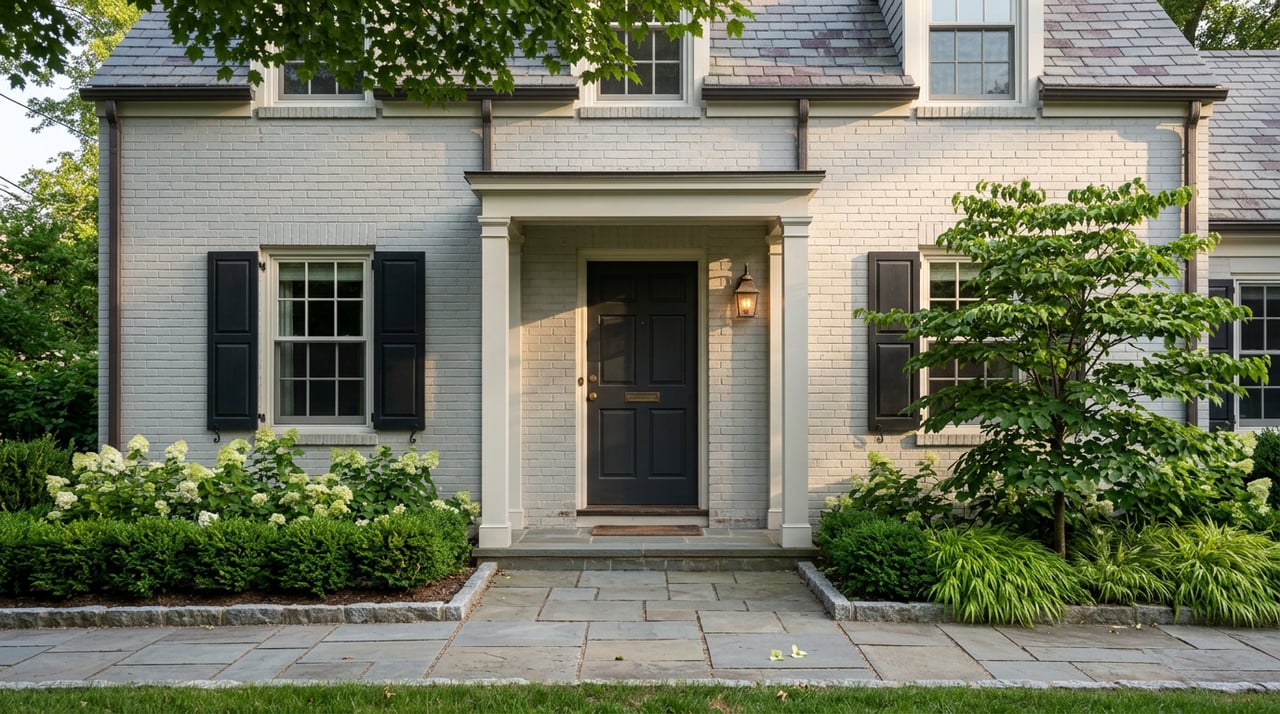
- Wood clapboard or brick exteriors with minimal ornamentation.
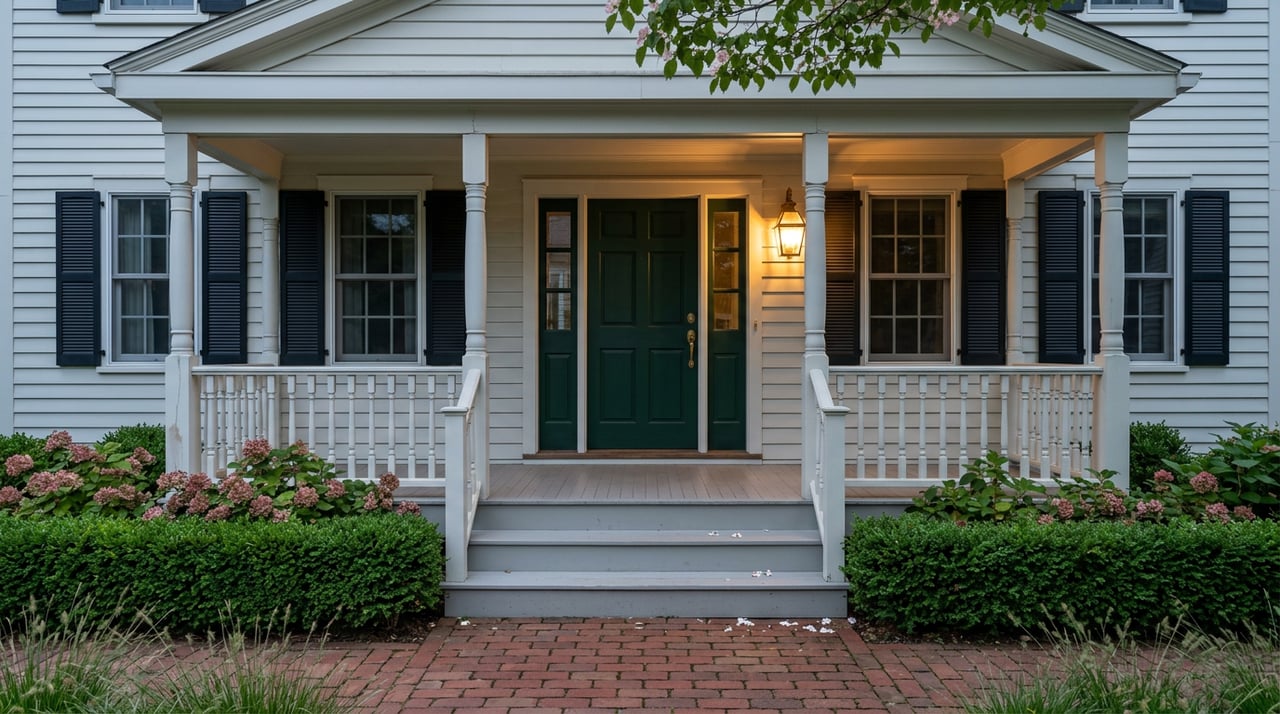
- Formal entryways, sometimes with transoms or sidelights in Federal styles.
These homes are especially prominent near the town center and along established roads, often lovingly maintained or restored to retain historical integrity while supporting modern living.
Greek Revival and Vernacular Architecture: 19th-Century Adaptations
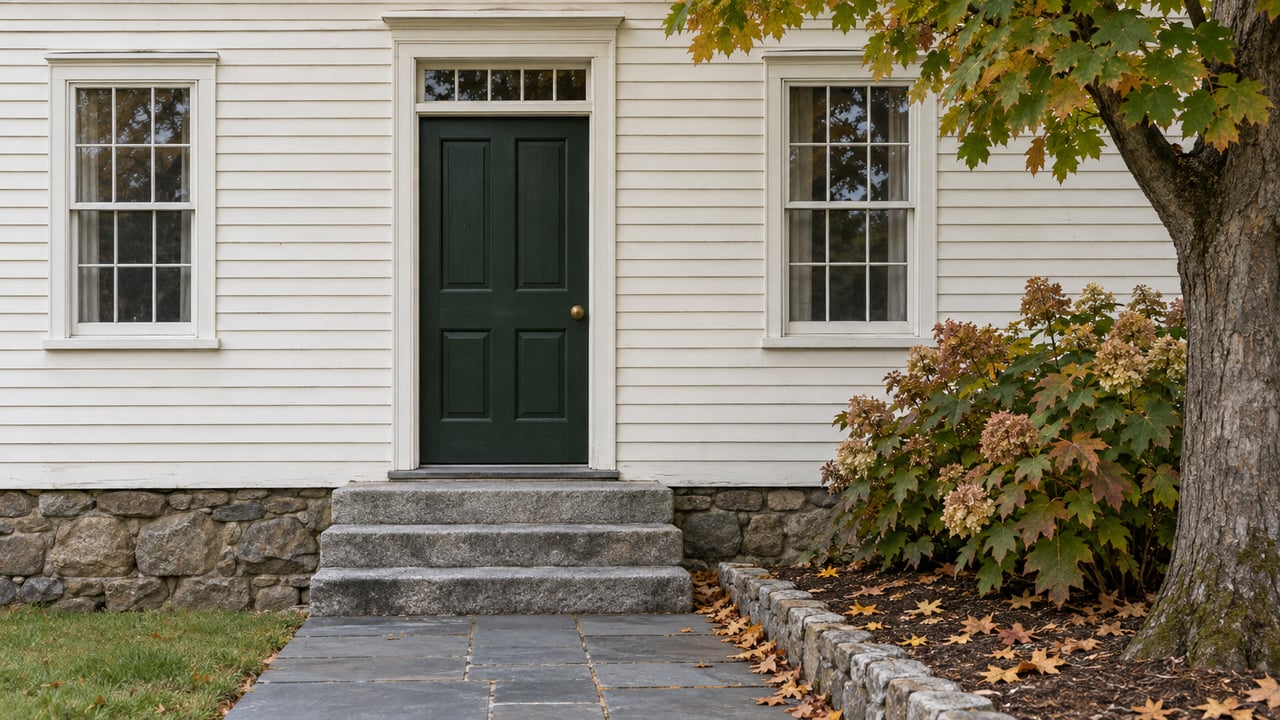
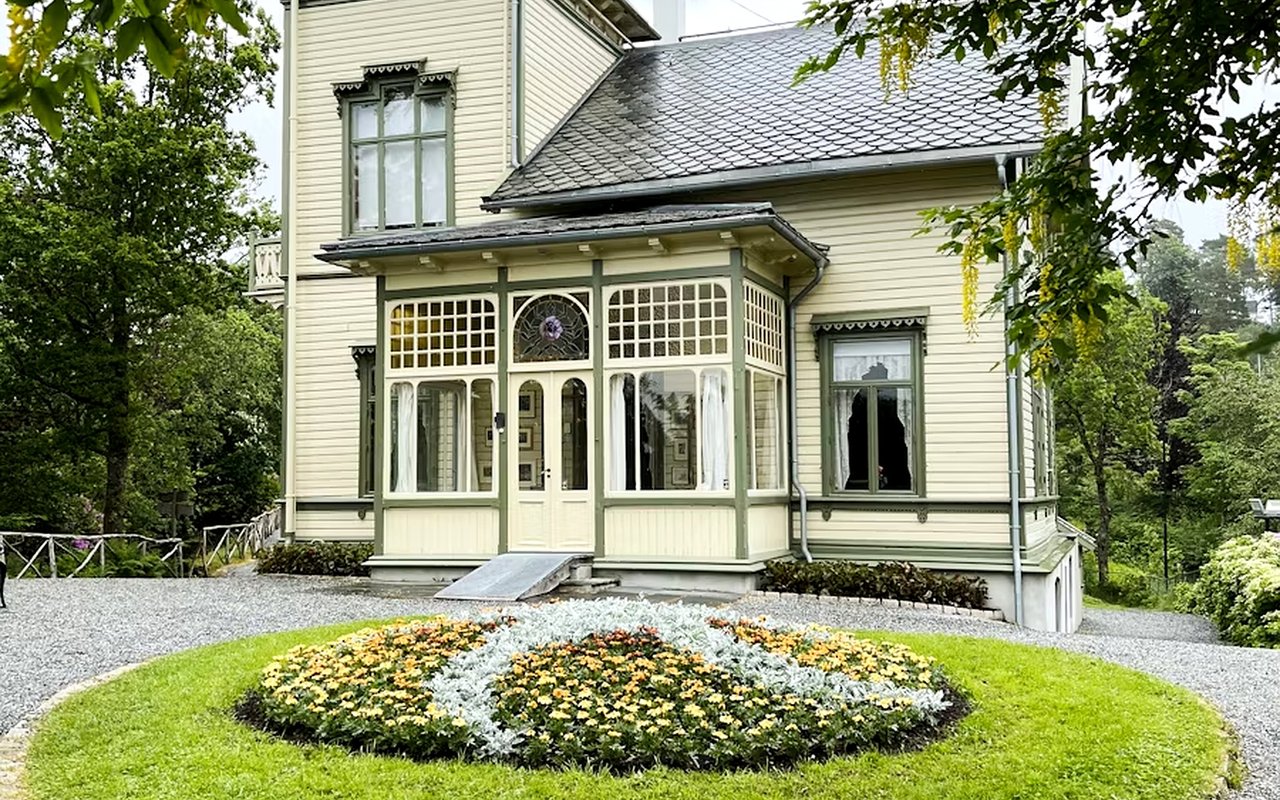
As the 1800s progressed, New Milford saw a rise in Greek Revival elements and more modest vernacular designs. Greek Revival homes introduced stronger geometric lines and grander entryways, while vernacular properties offered simpler layouts rooted in local materials and construction methods.
Hallmarks of these residential types:
- Wide cornices and bold trim in Greek Revival styles.
- Side-gabled or front-gabled roofs, depending on orientation.
- Functional layouts with adaptable floorplans.
- Subtle exterior detail, reflecting practicality over ornamentation.
These styles continue to offer a popular foundation for renovations, especially when paired with energy-efficient upgrades and modern finishes.
Farmhouse Influence and Transitional Styles
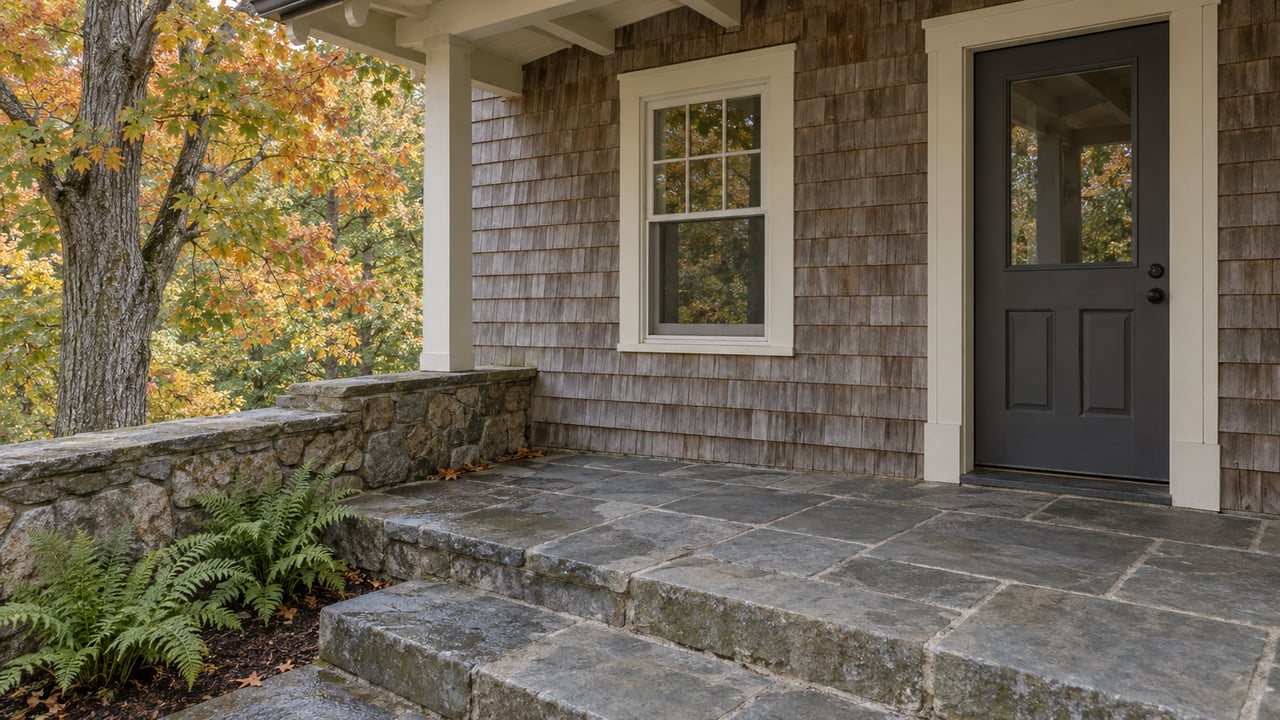
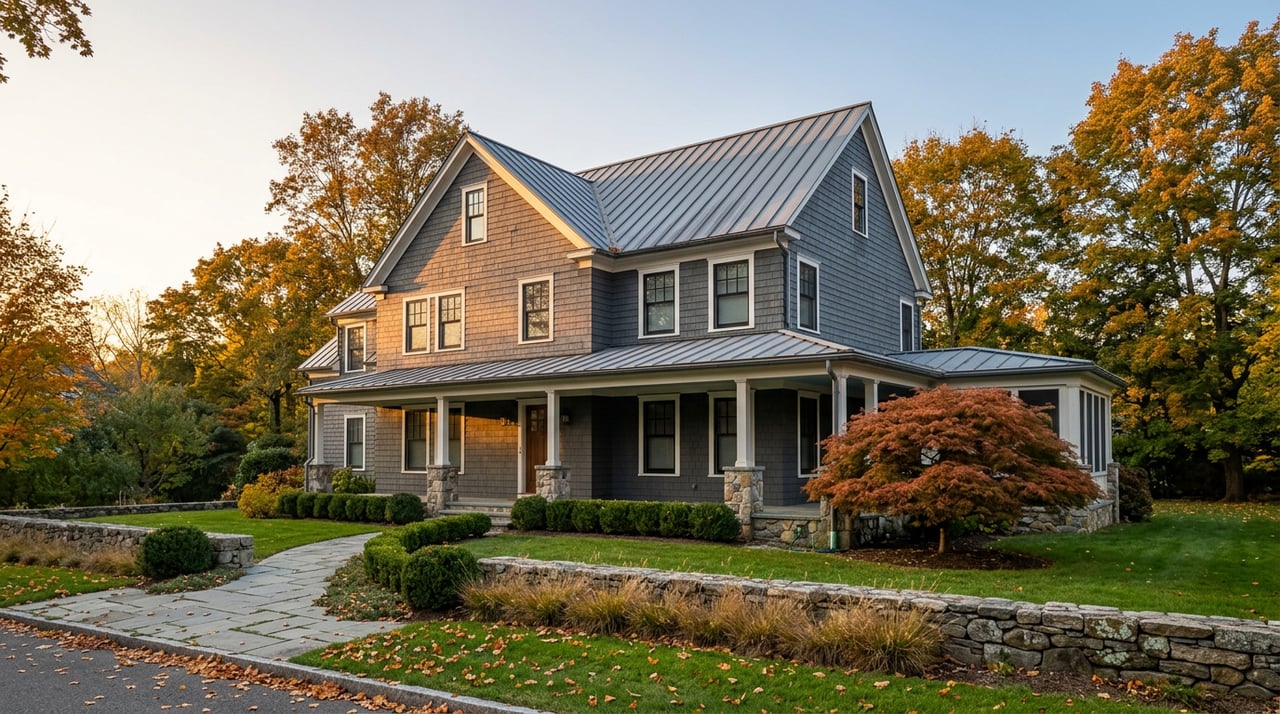
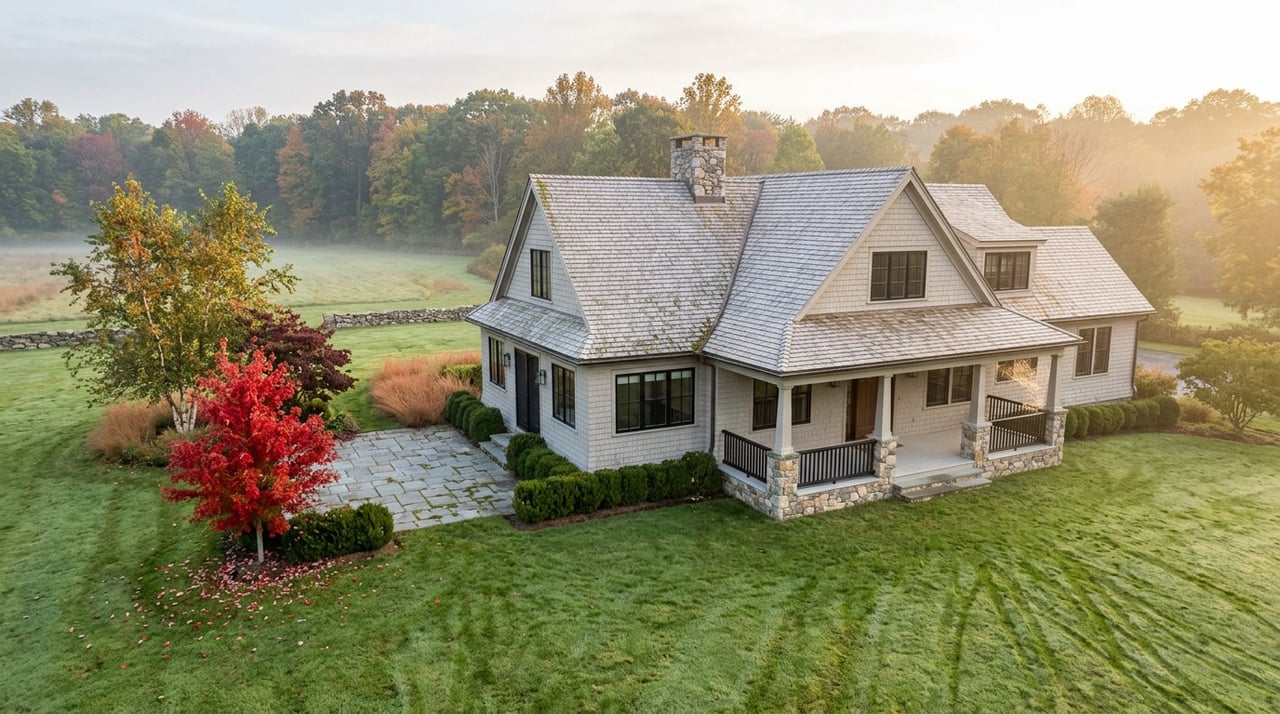
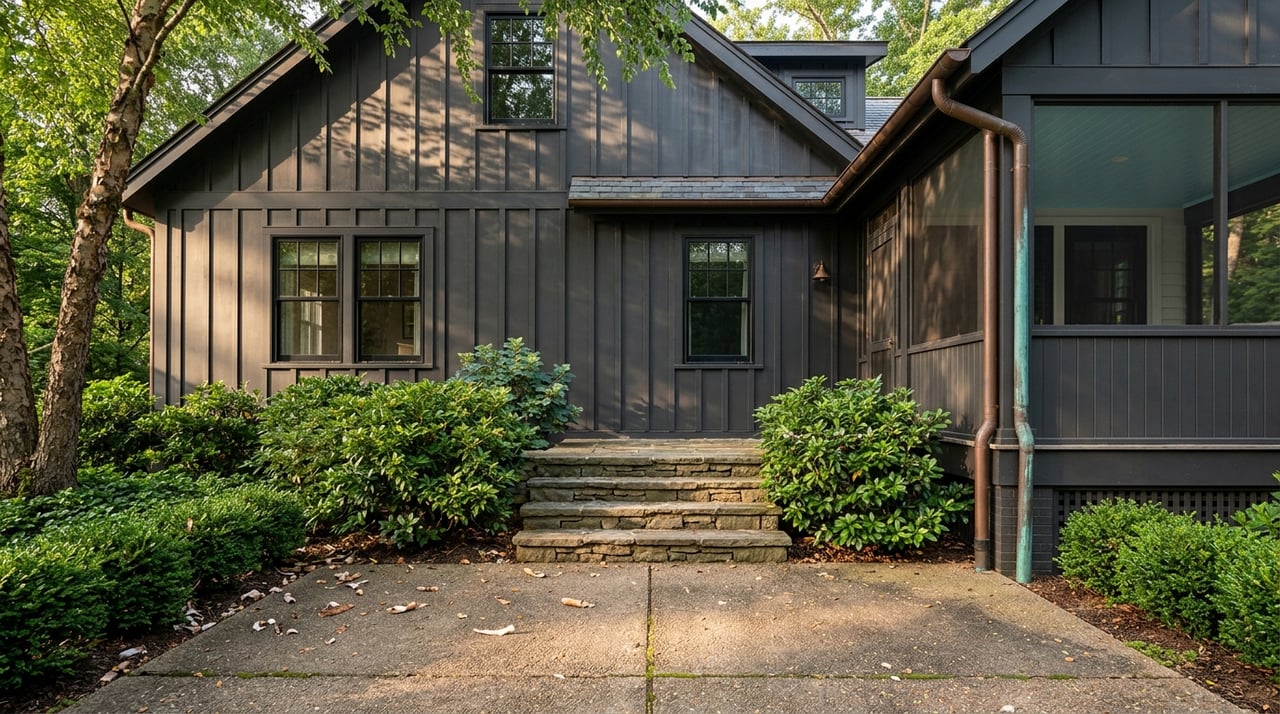
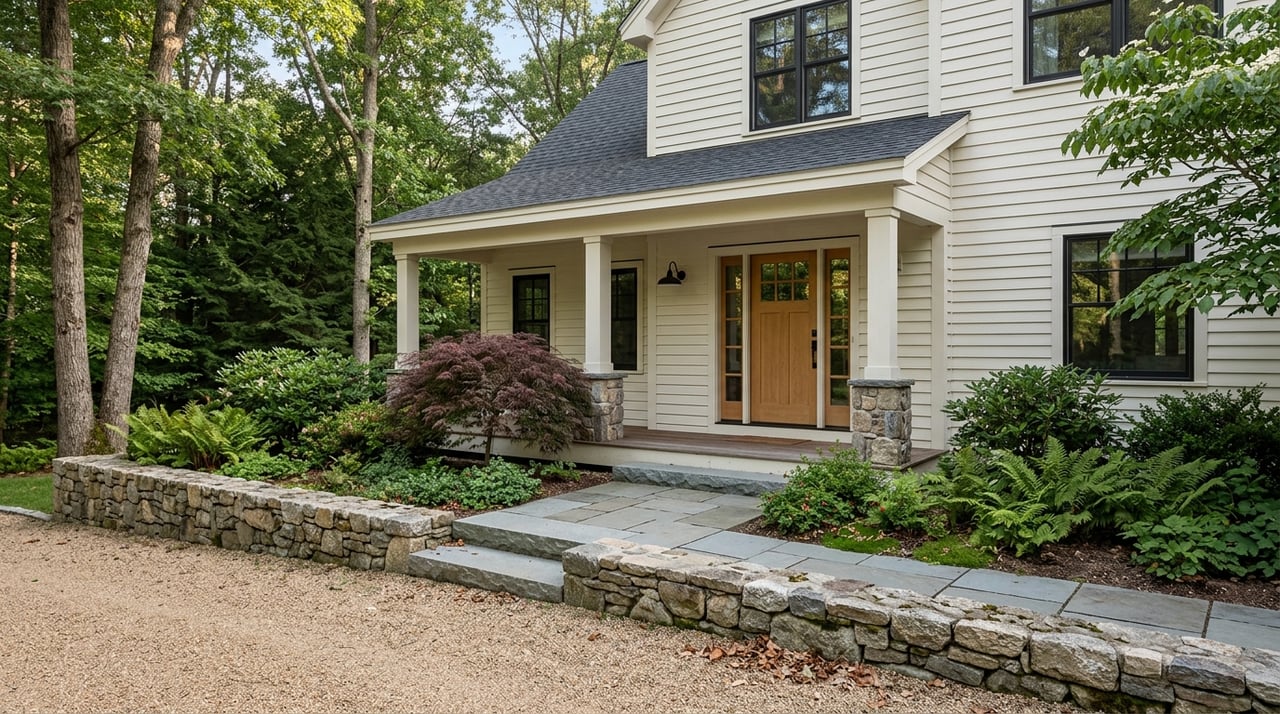
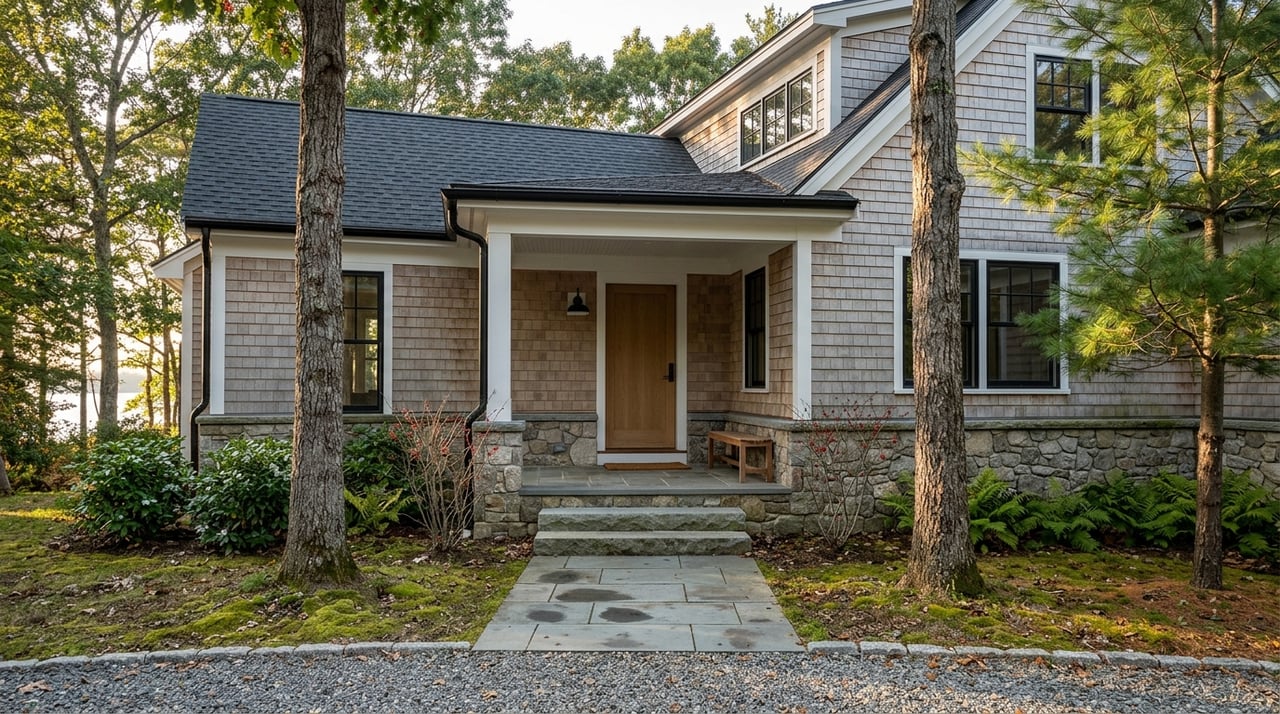
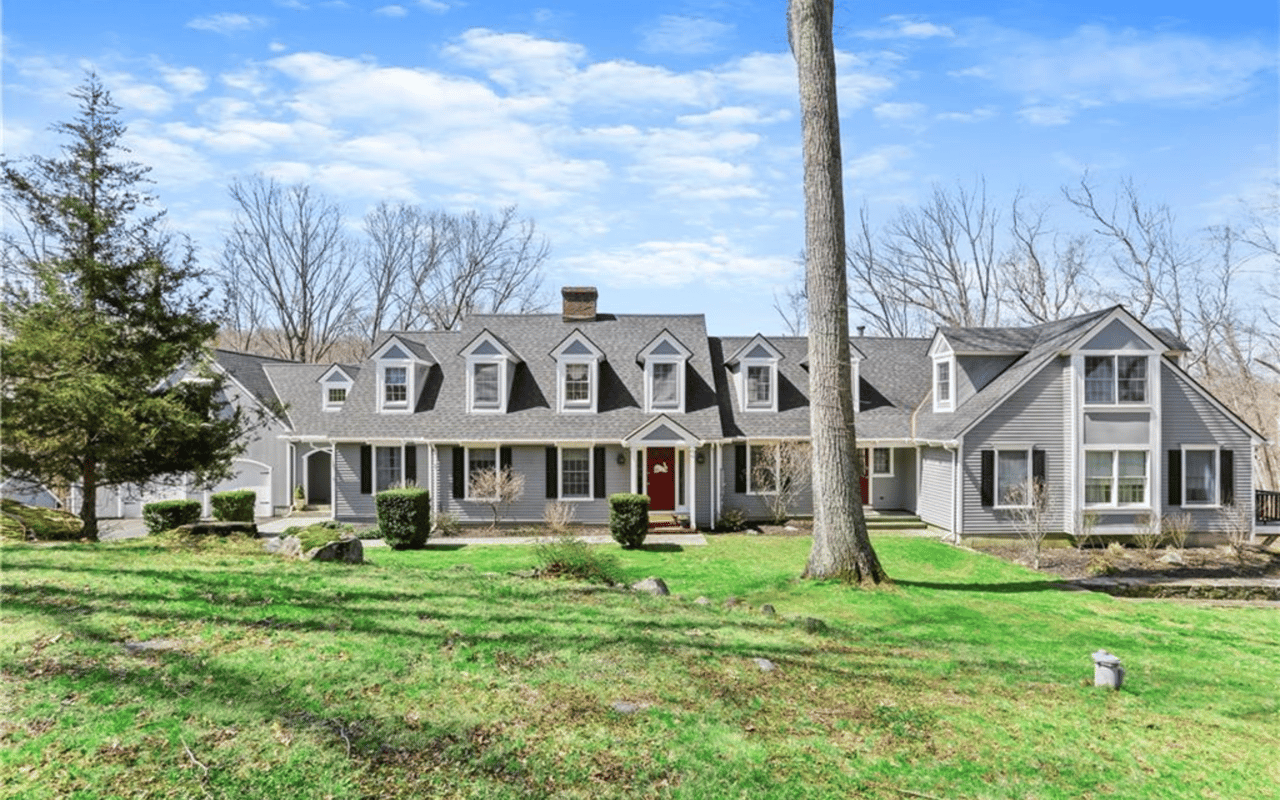
Not every home in New Milford fits a formal style. Many older homes evolved over time, combining traditional bones with newer architectural elements. Farmhouse-style homes—whether original or updated—are particularly well-loved for their wraparound porches, large windows, and functional design.
What makes these homes stand out:
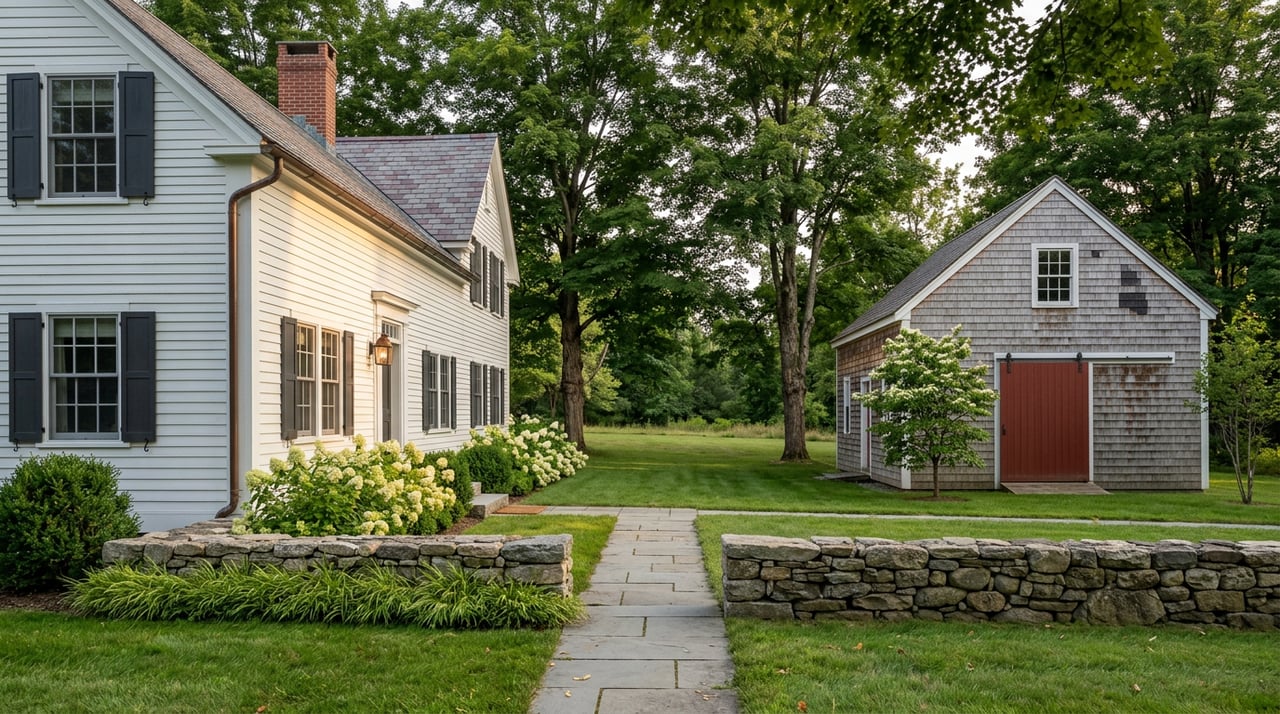
- Asymmetrical shapes, often from additions made over the years.
- Large kitchens and central gathering spaces, suited for entertaining.
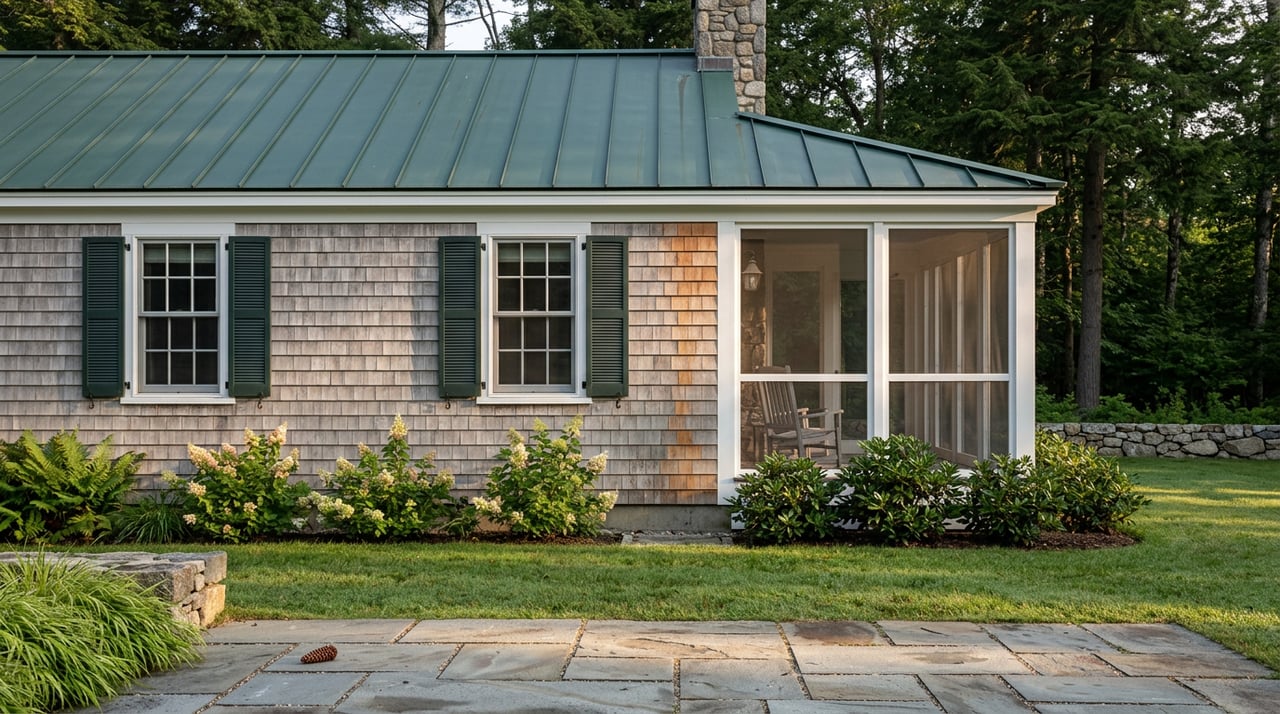
- Wood siding and pitched roofs, consistent with New England vernacular.
- Detached barns or outbuildings, now often repurposed as studios or workshops.
These properties offer a compelling mix of character and practicality, especially for buyers seeking space and charm.
20th-Century Homes and Practical Layouts
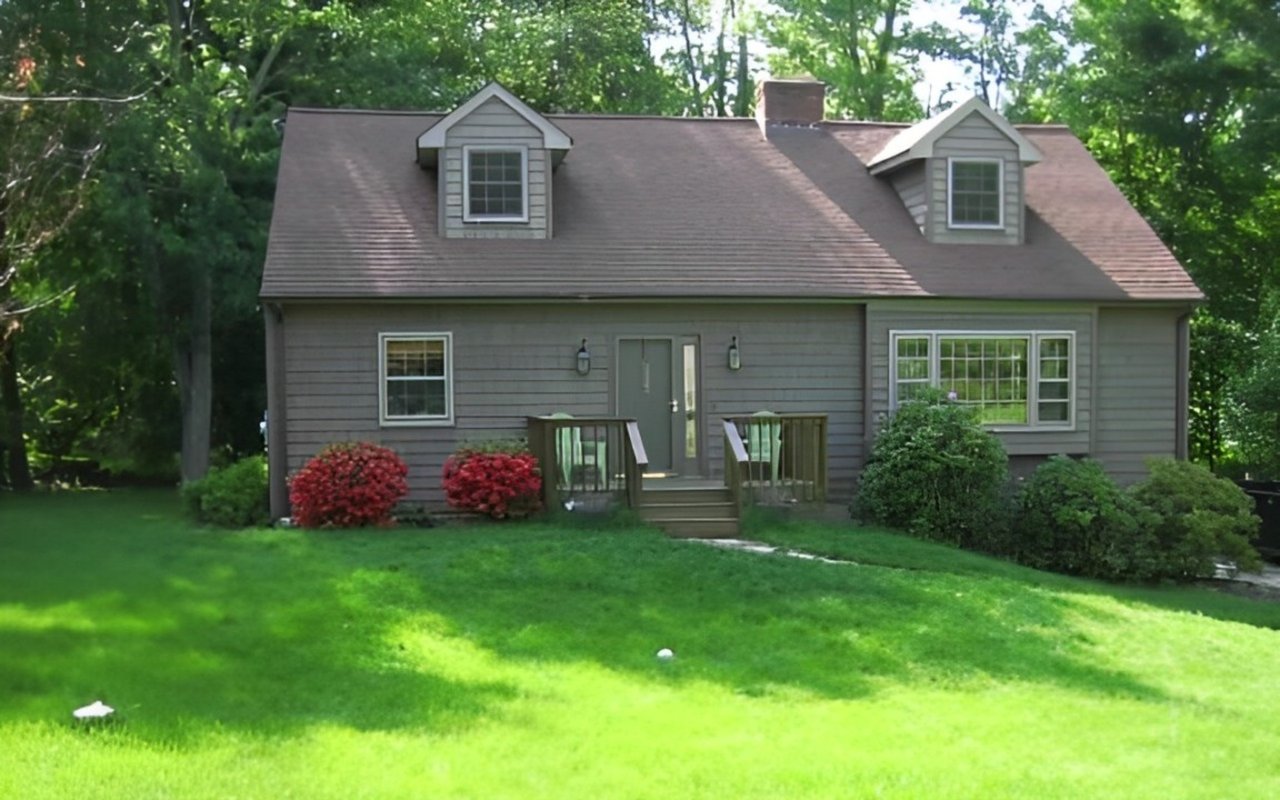
Outside of the historic district, New Milford includes many homes built during the 20th century, reflecting evolving suburban design. These properties tend to prioritize efficient layouts and functional spaces, often with opportunities for customization.
Common features in mid-century homes:
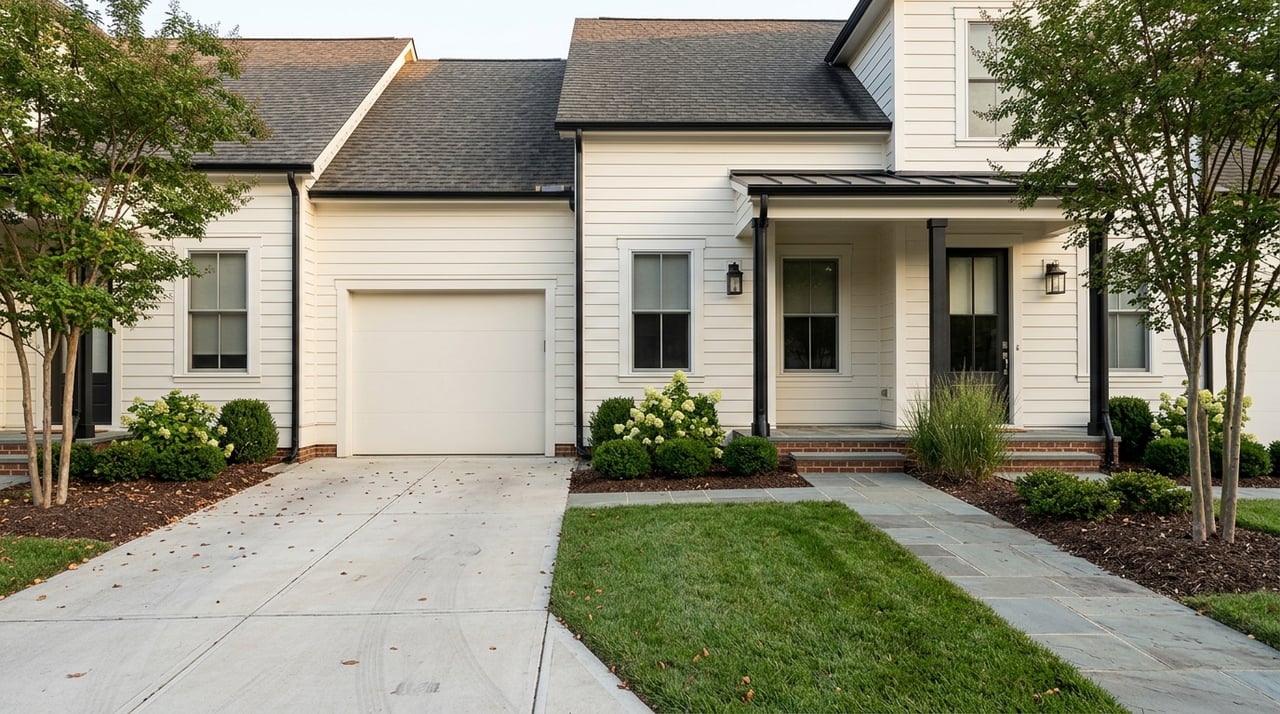
- One-story or split-level floorplans, often with integrated garages.
- Large picture windows, providing natural light.
- Straightforward floorplans that allow for remodeling or updates.
- Modest exterior detailing, keeping the focus on interior function.
These homes are often easier to maintain and upgrade, making them popular among buyers who want value and flexibility.
Contemporary Builds and Renovated Properties
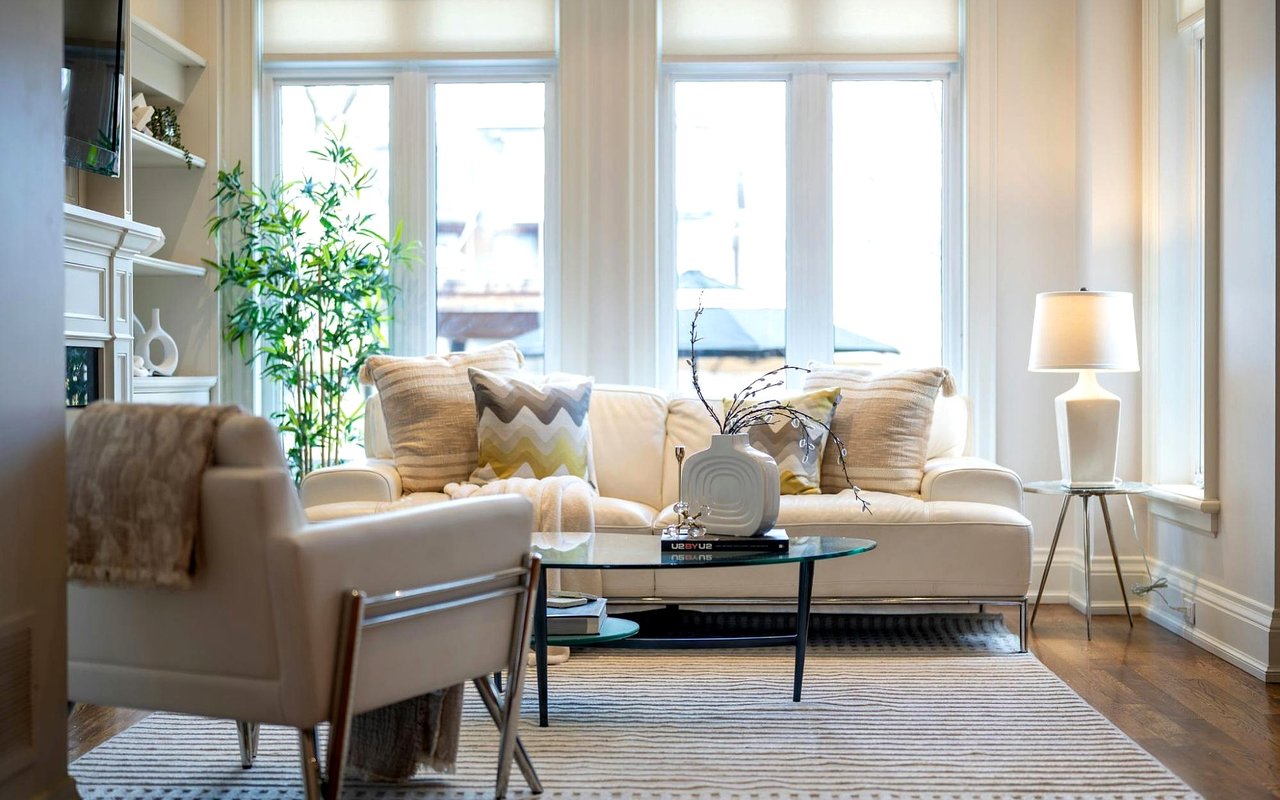
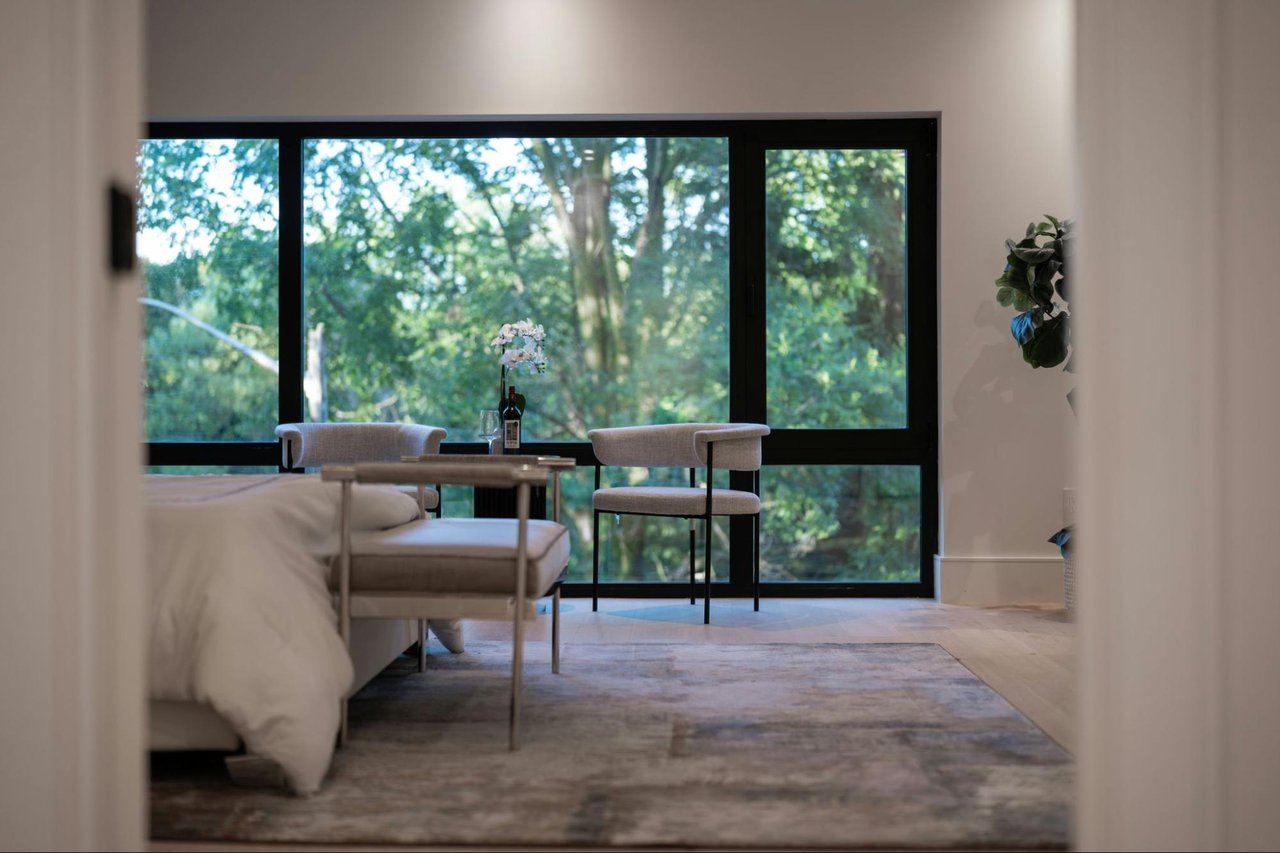
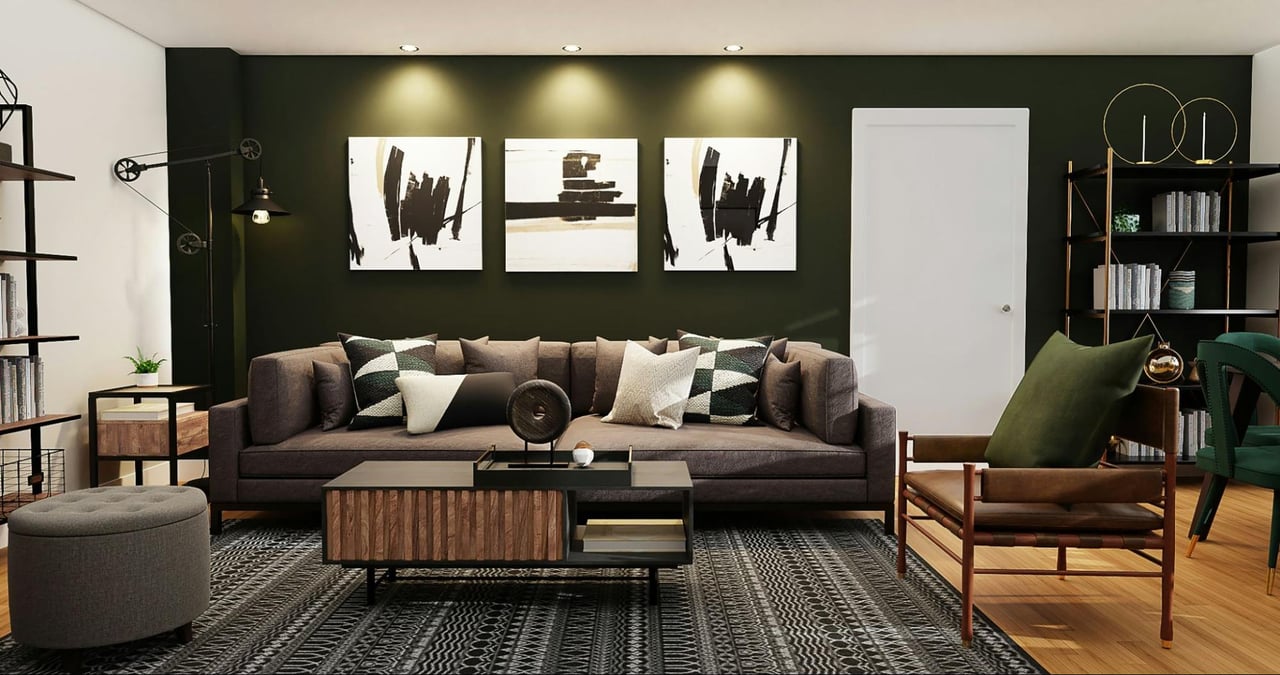
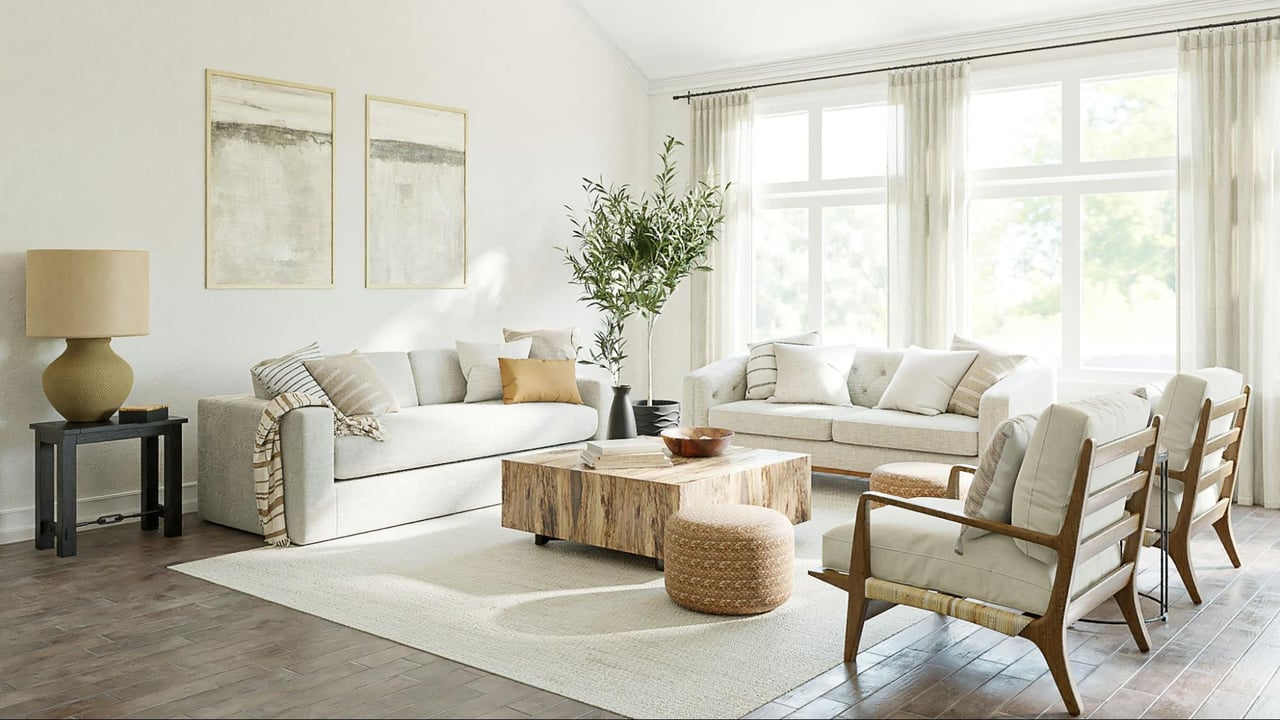
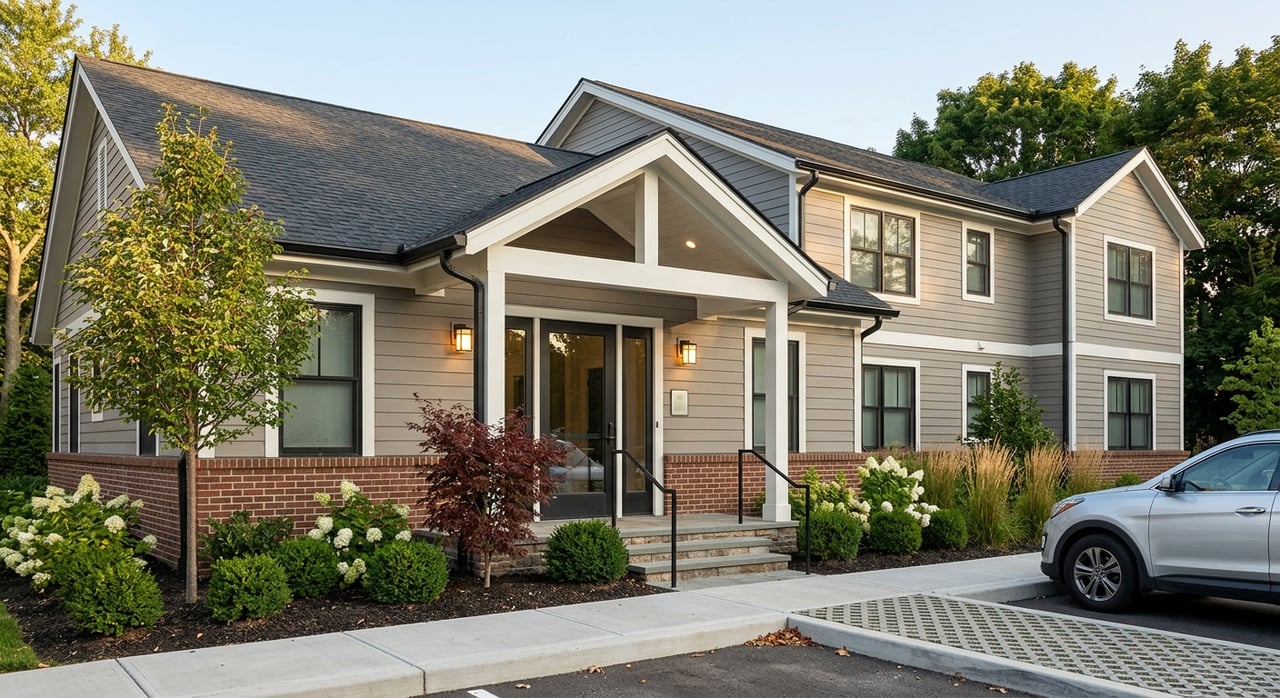
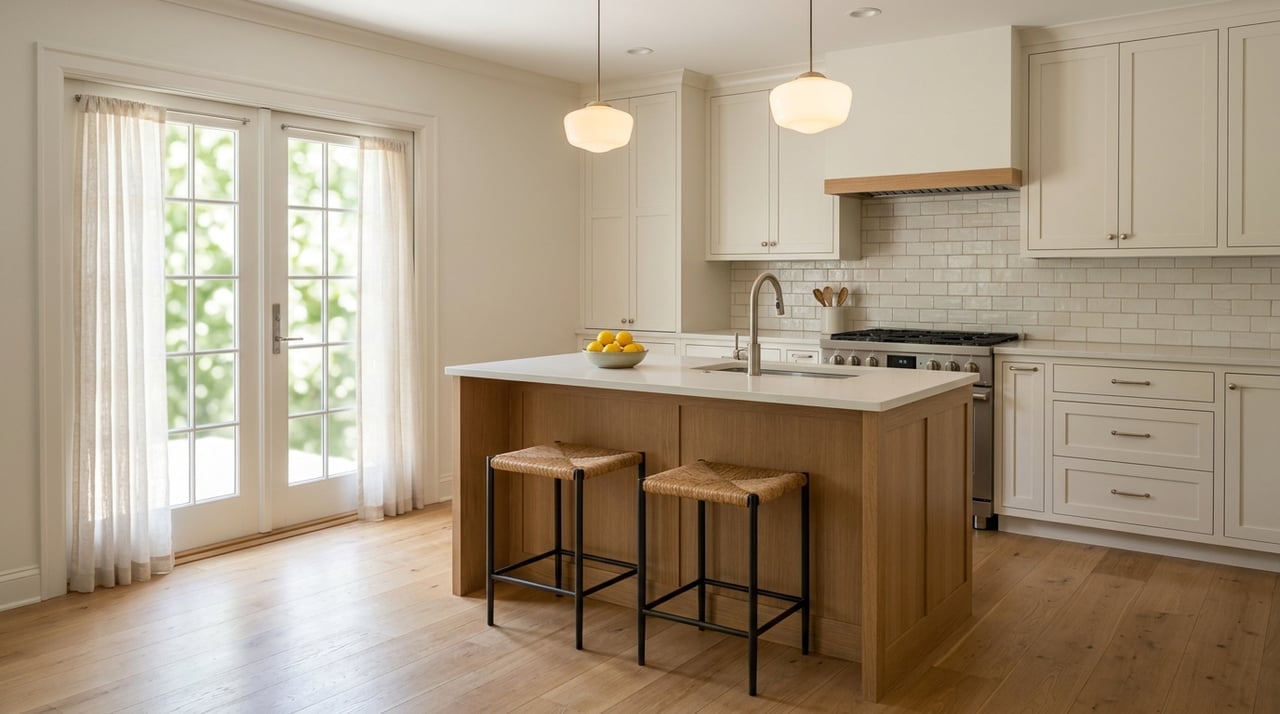
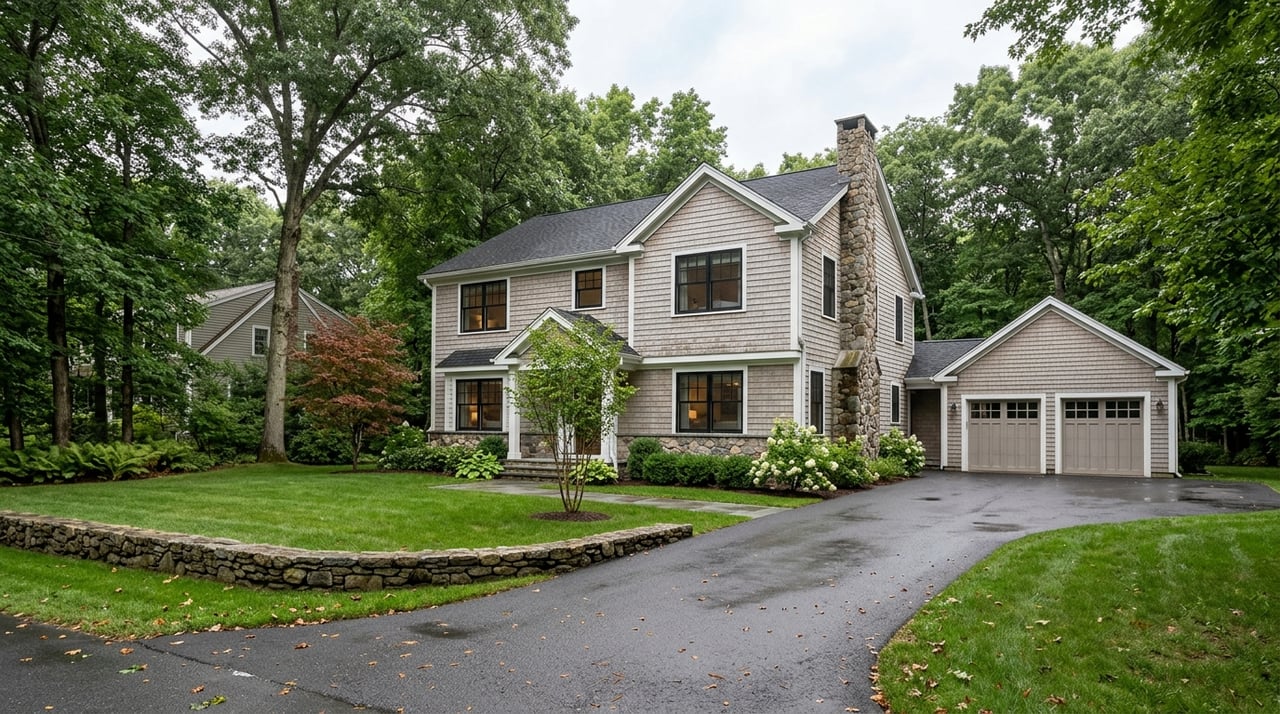
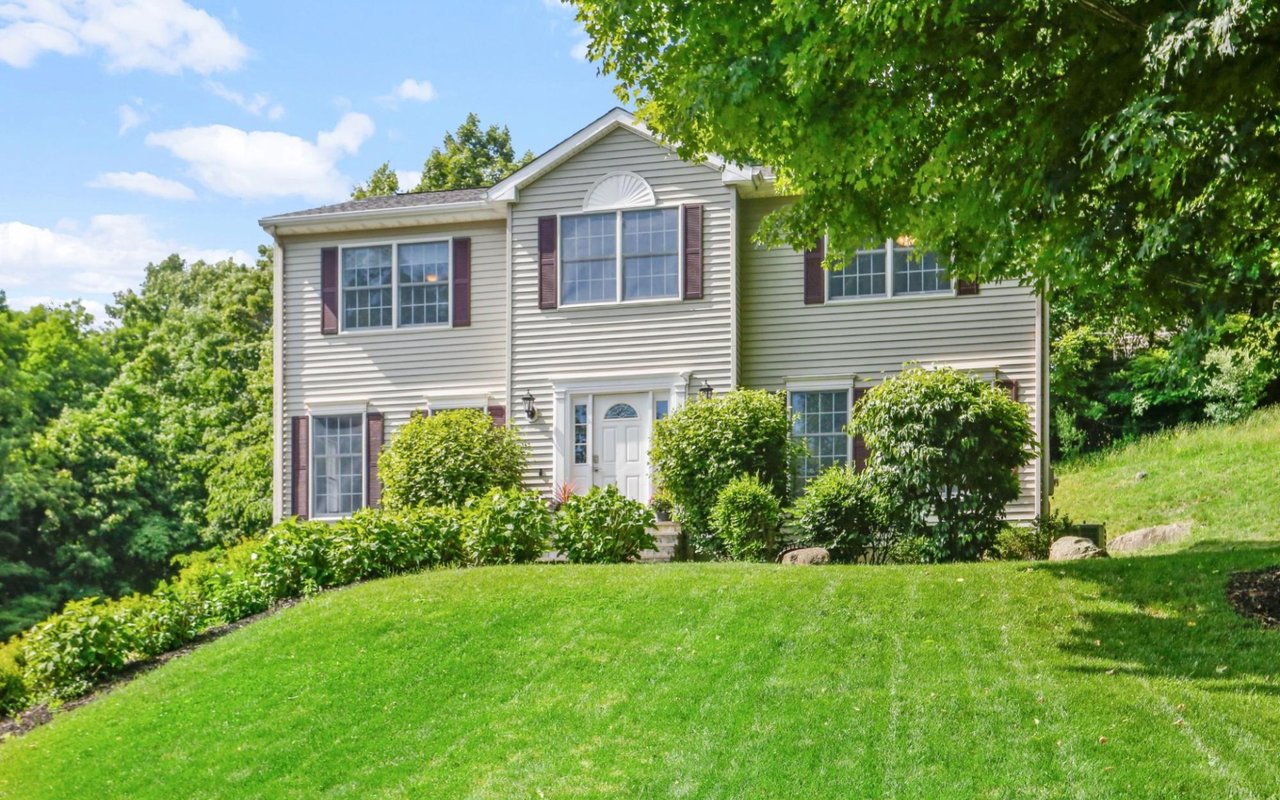
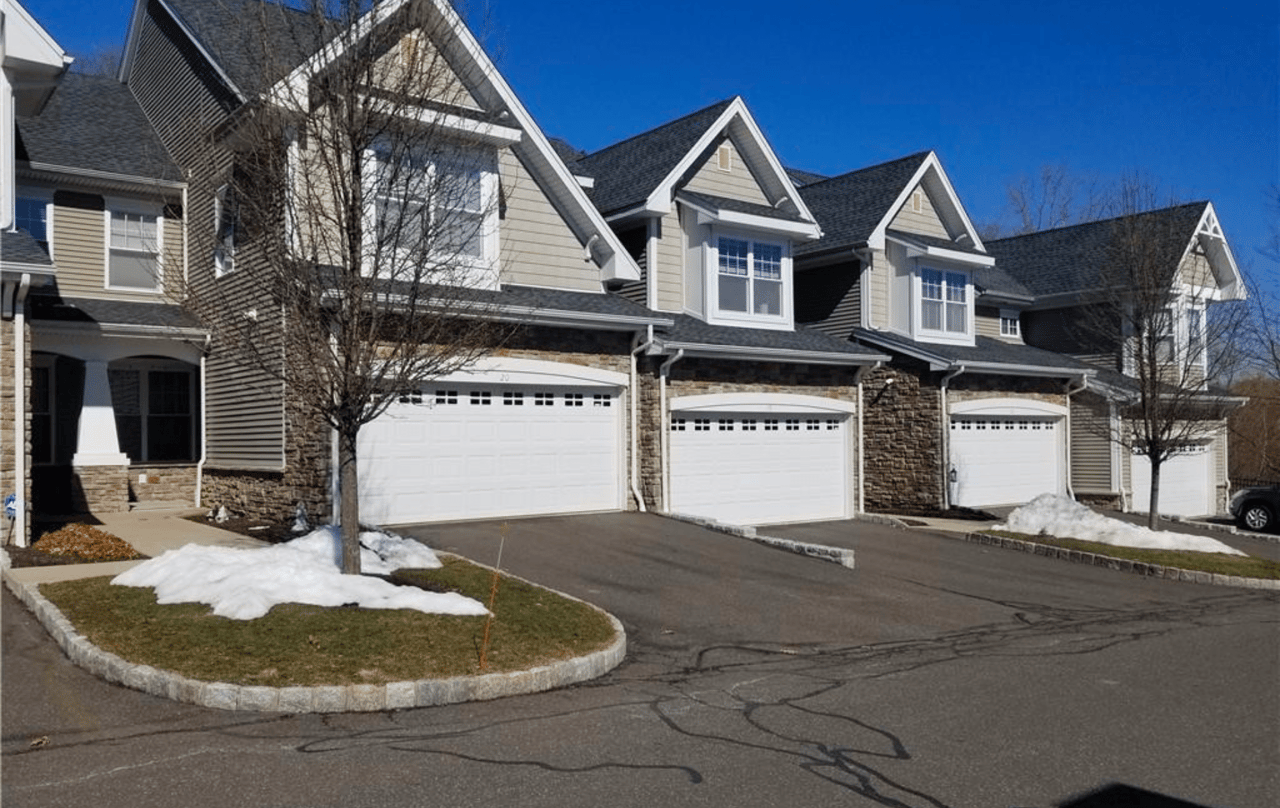
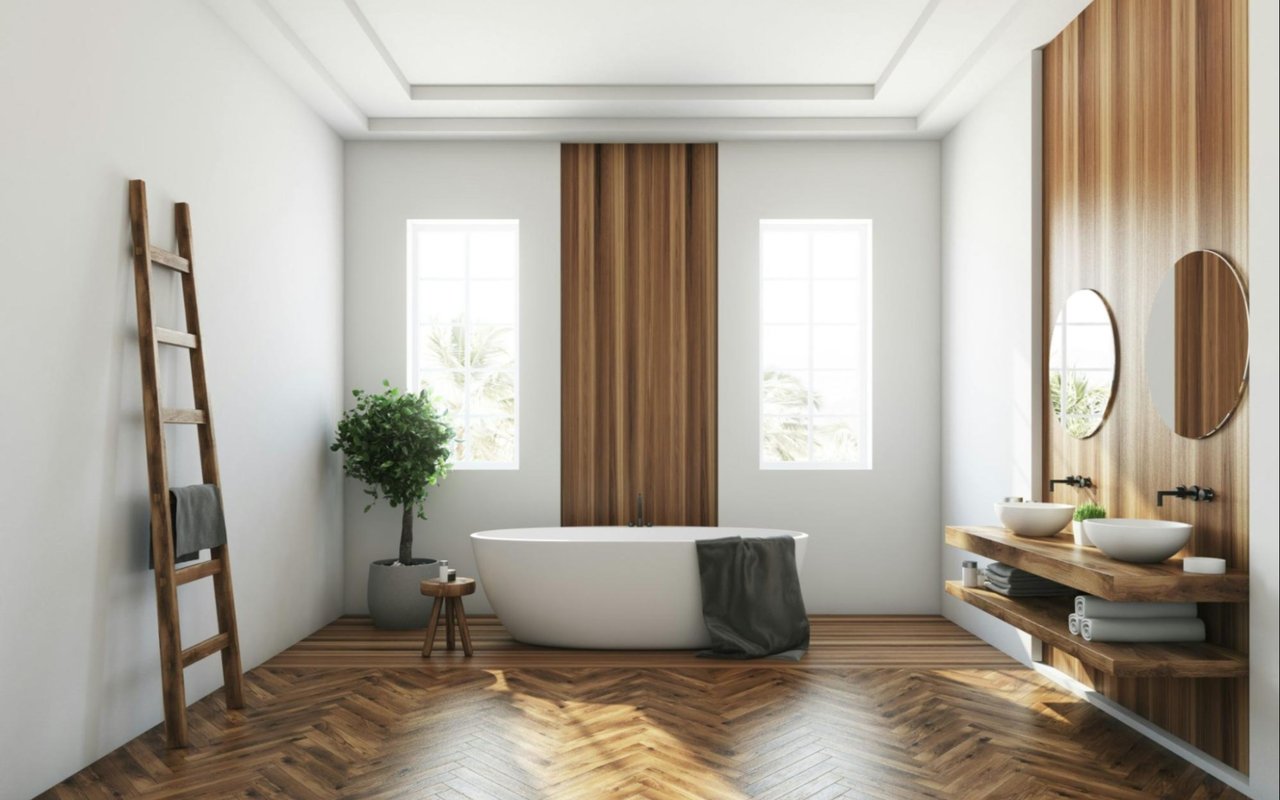
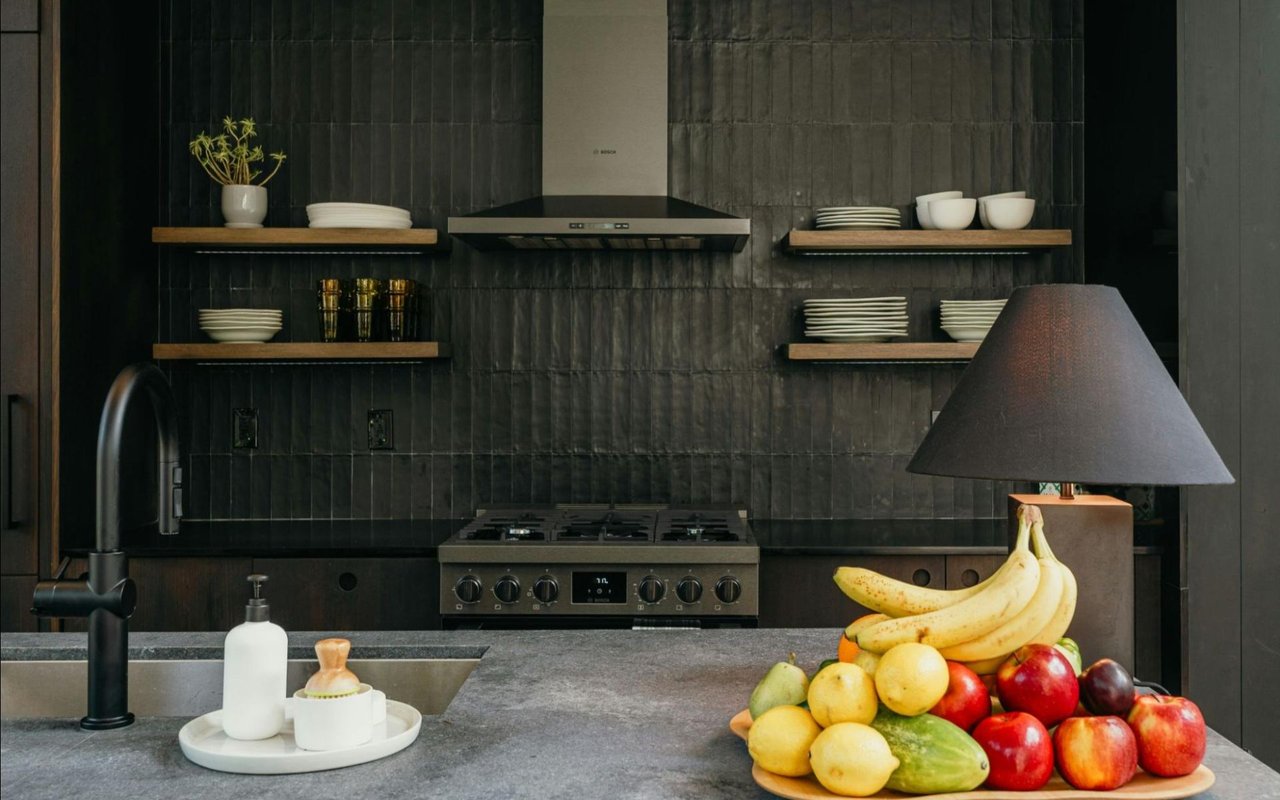
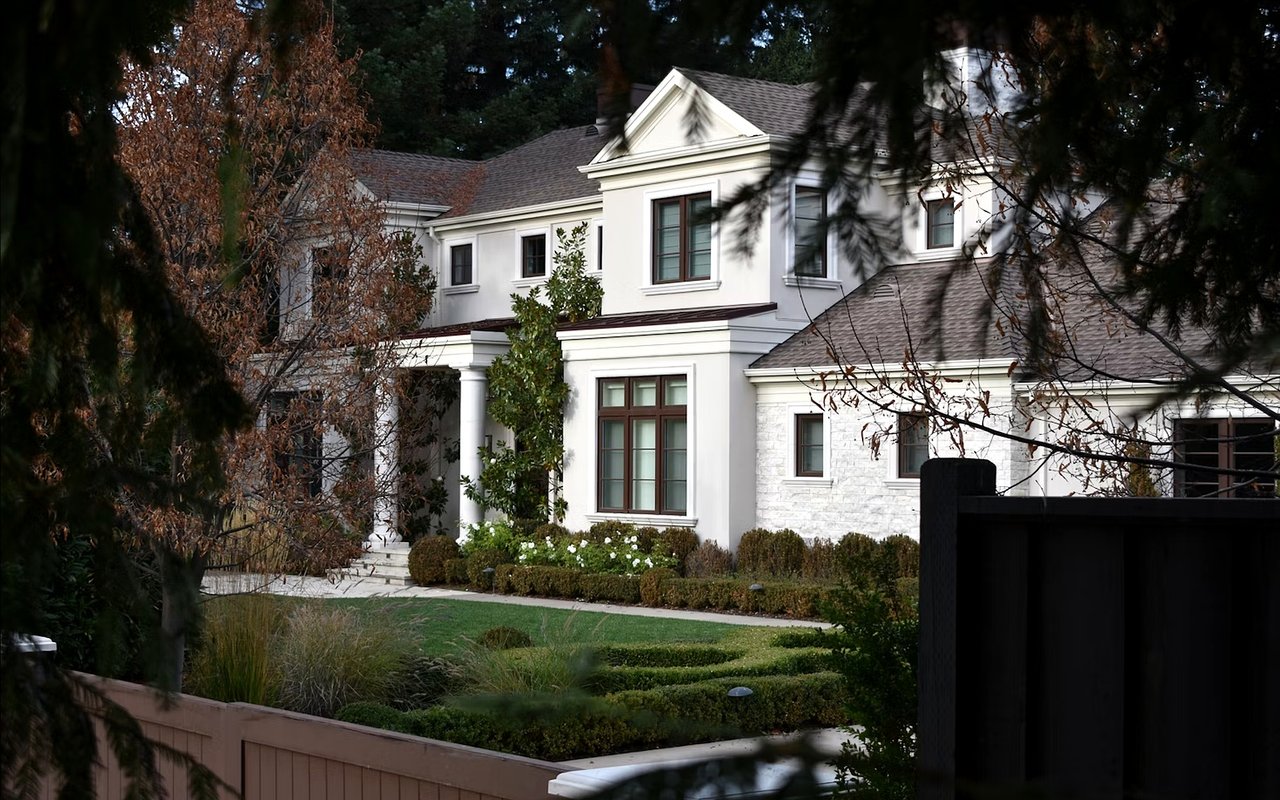
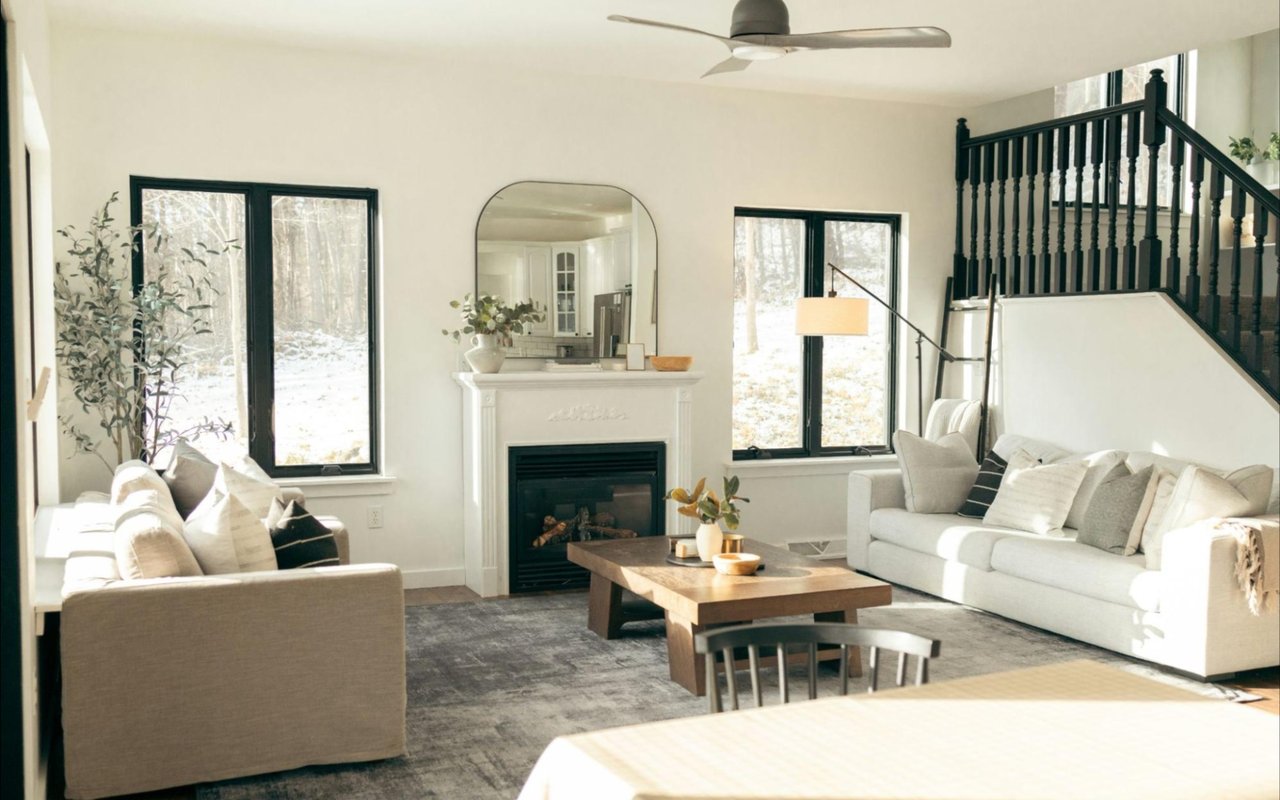
In newer subdivisions and larger parcels, modern homes in New Milford offer clean lines, energy efficiency, and open-concept living. These builds are often custom-designed and draw inspiration from contemporary architecture, but remain grounded in the natural beauty of the region.
What buyers look for in newer construction:
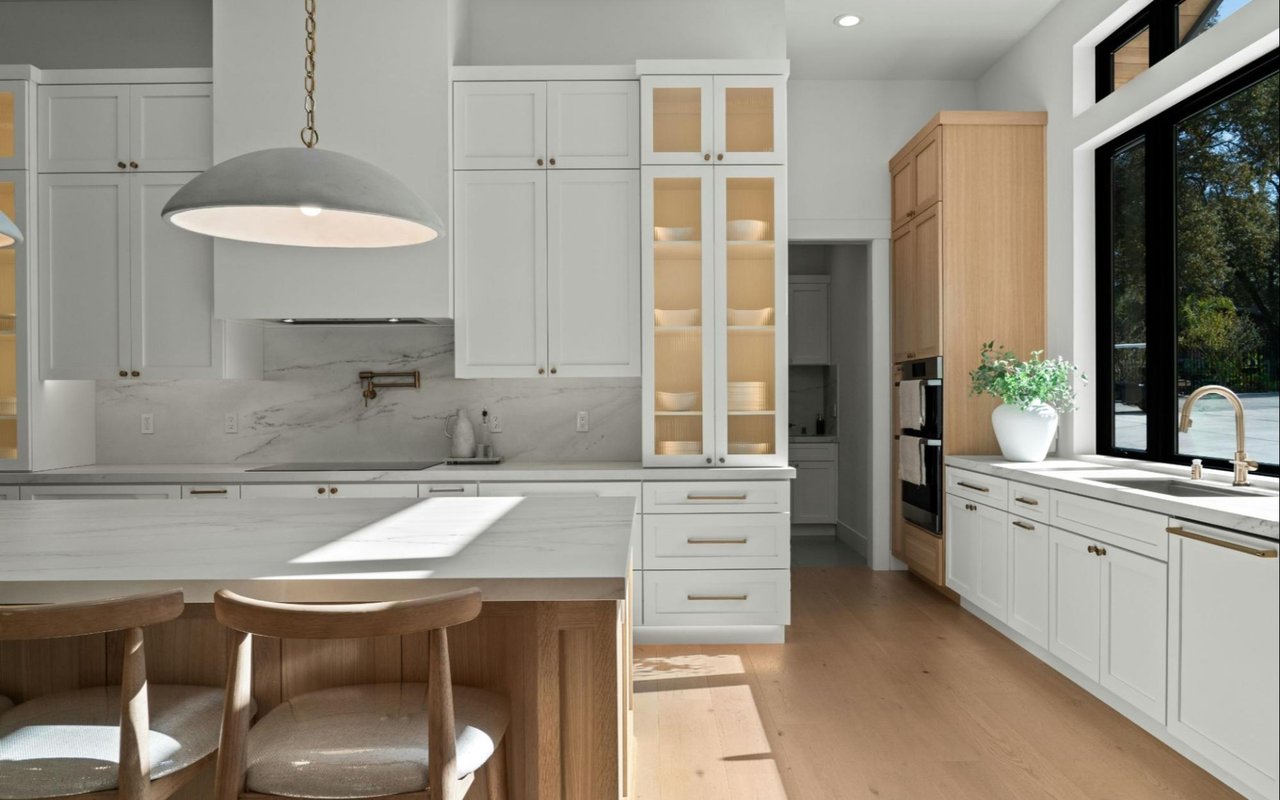
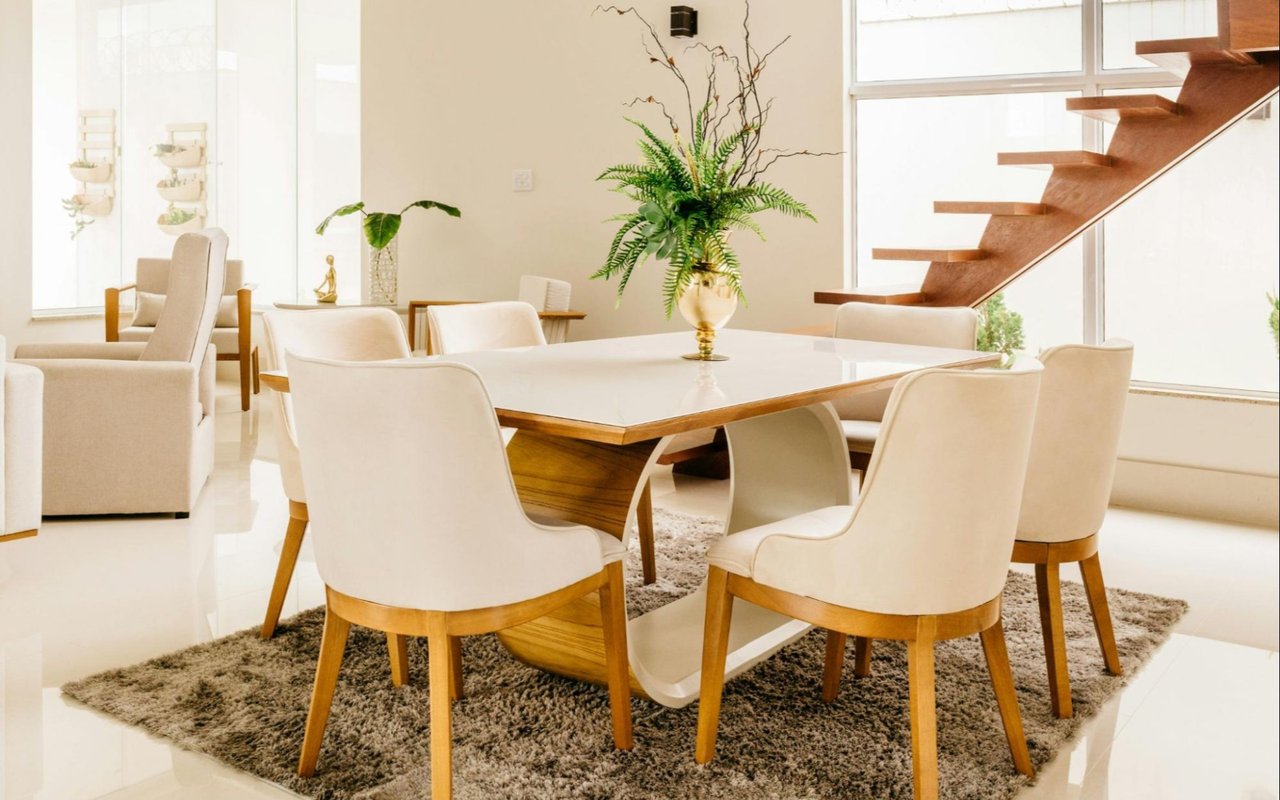
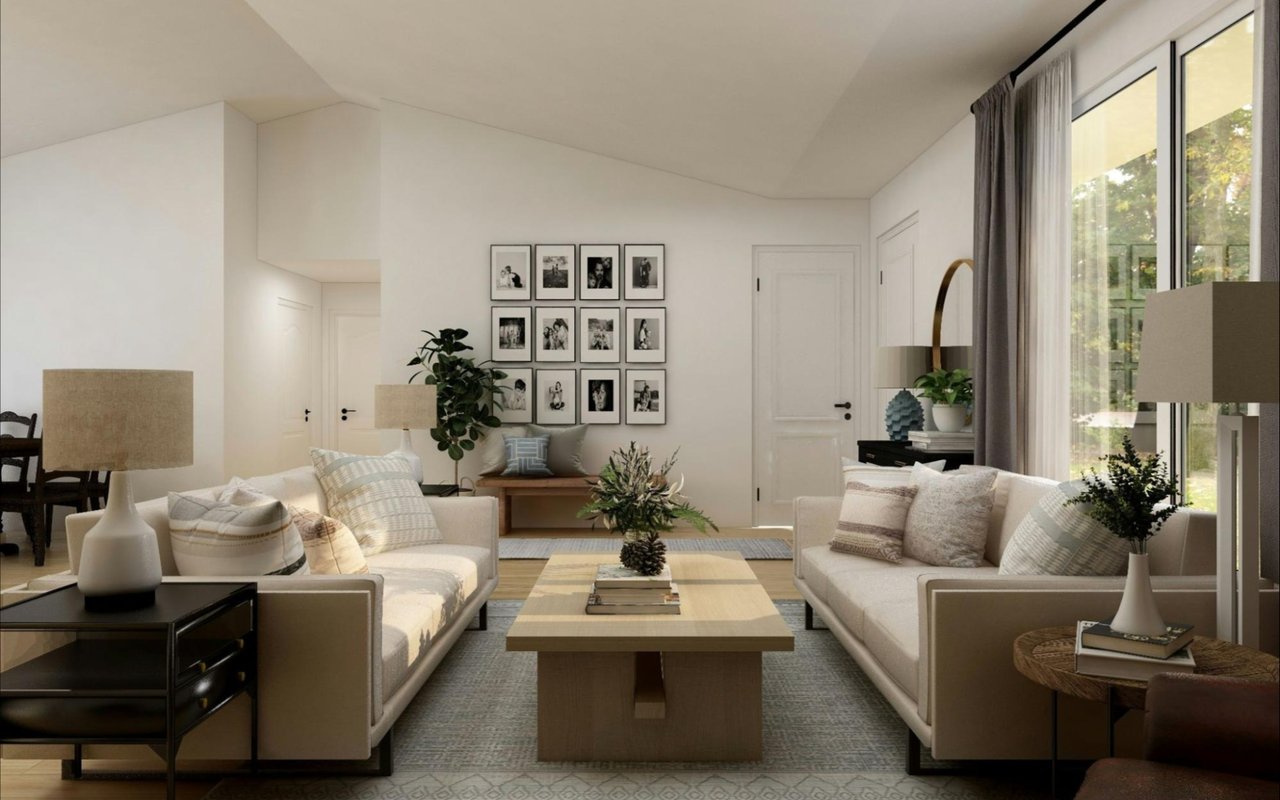
- Open kitchens and living areas, ideal for daily flow.
- Efficient heating and cooling systems, sometimes with solar options.
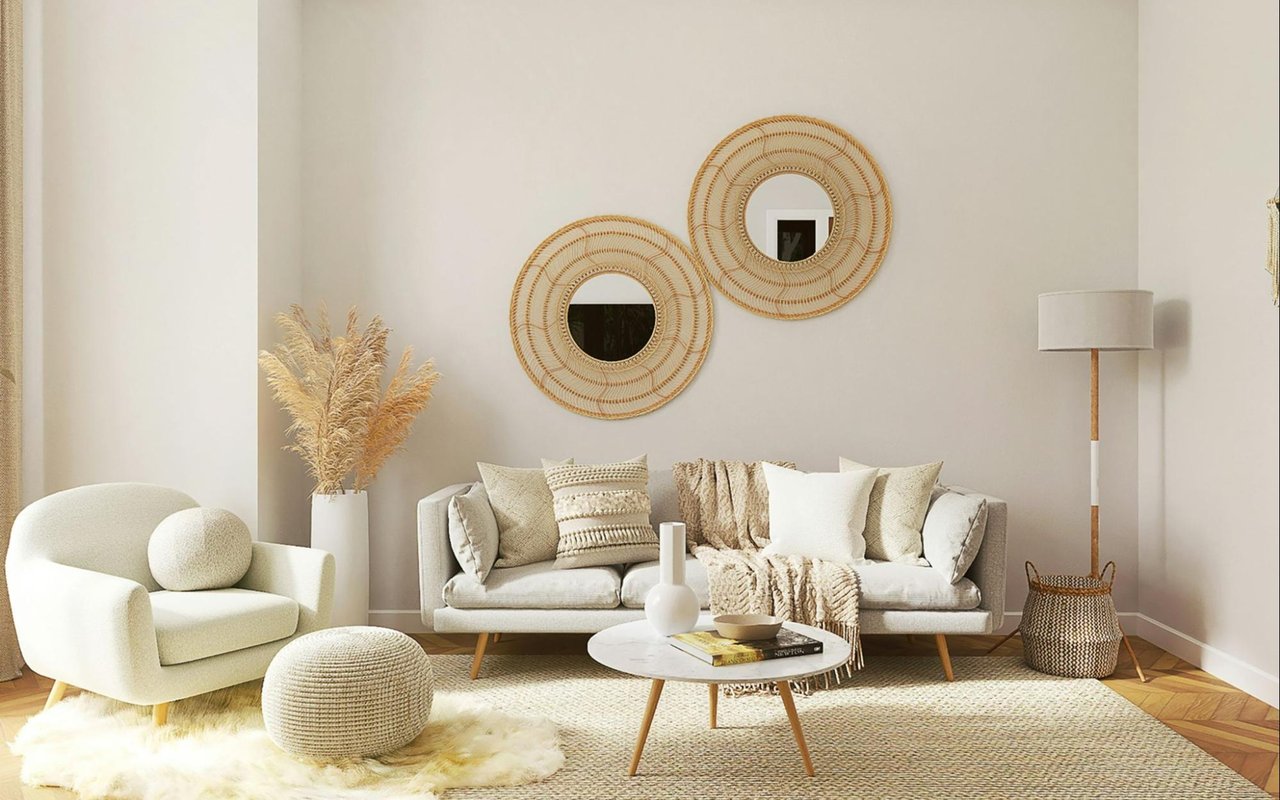
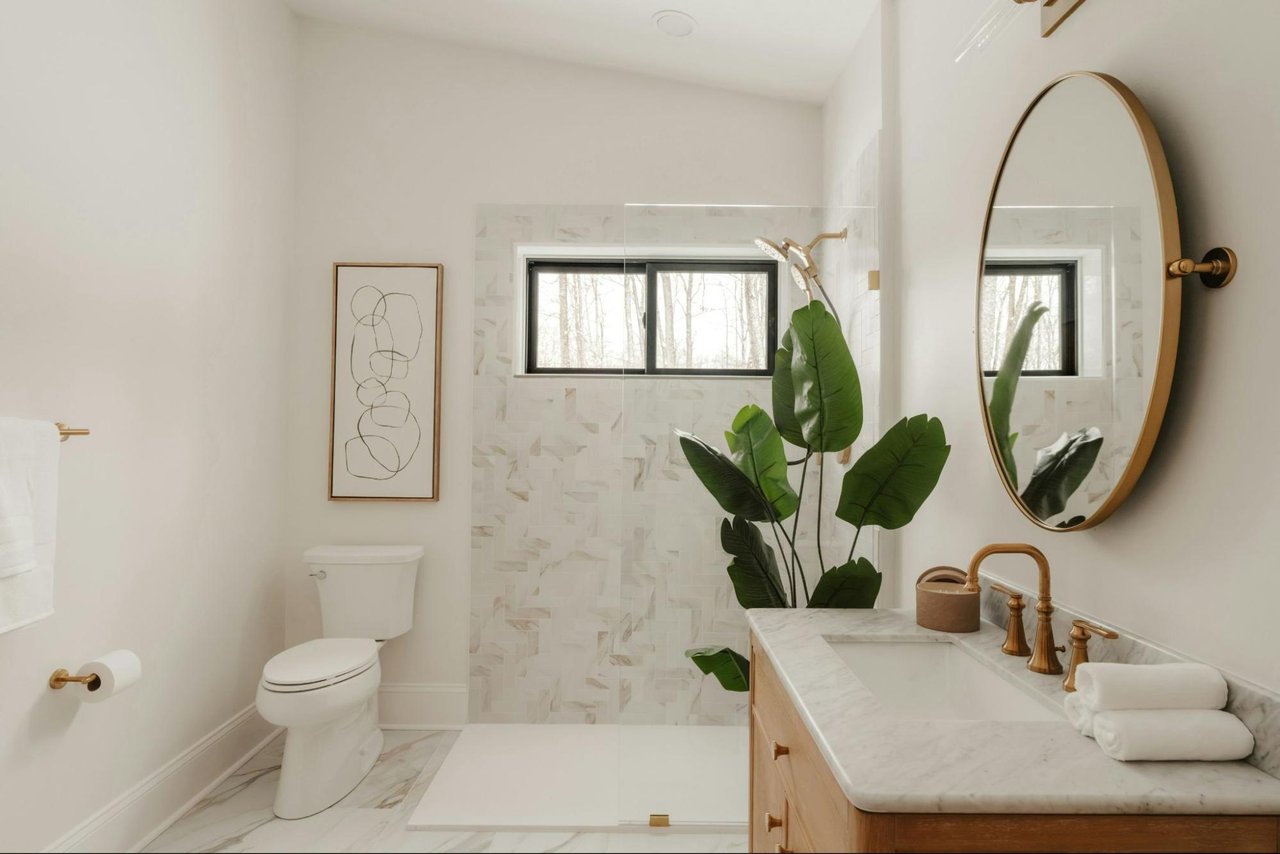
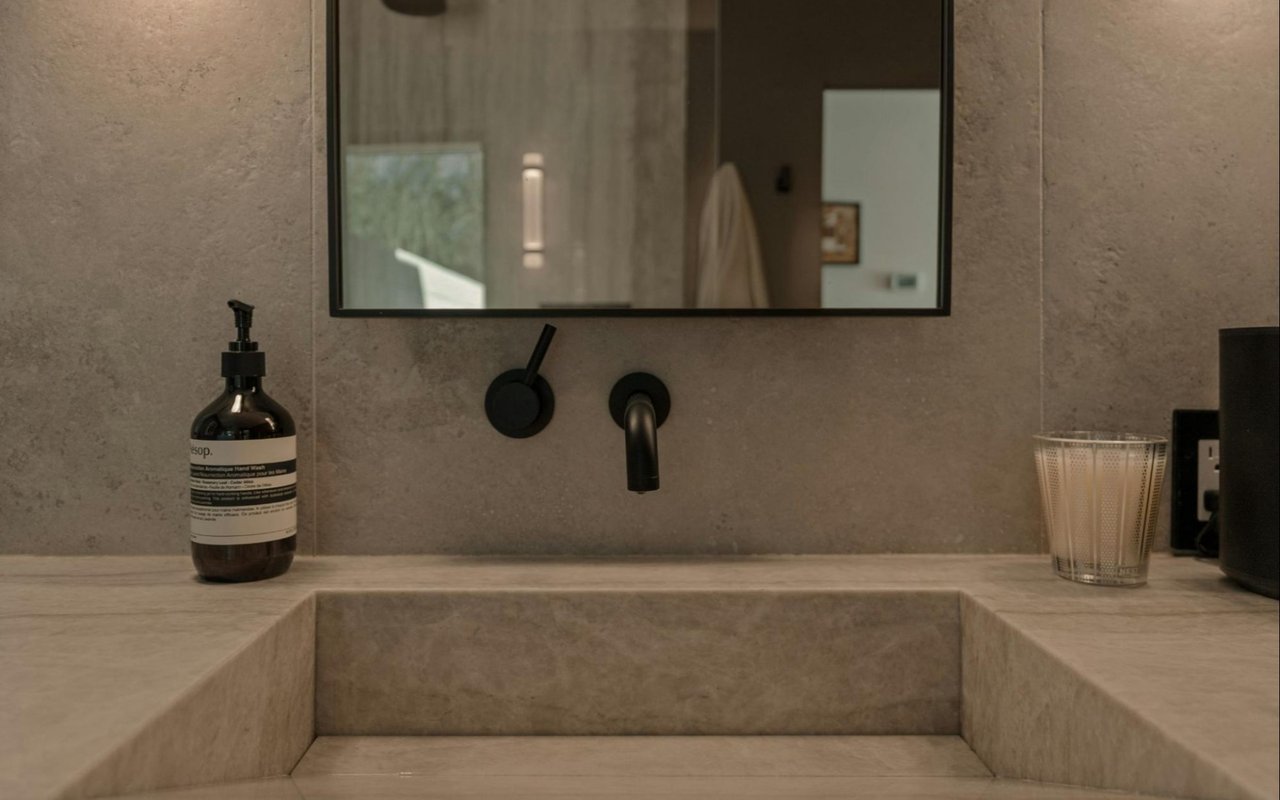
- Minimalist design, with clean trim, smooth finishes, and larger windows.
- Neutral palettes, allowing for personalization through decor.
These homes offer move-in-ready convenience with low maintenance demands, ideal for those prioritizing simplicity and performance.
Renovations That Honor History
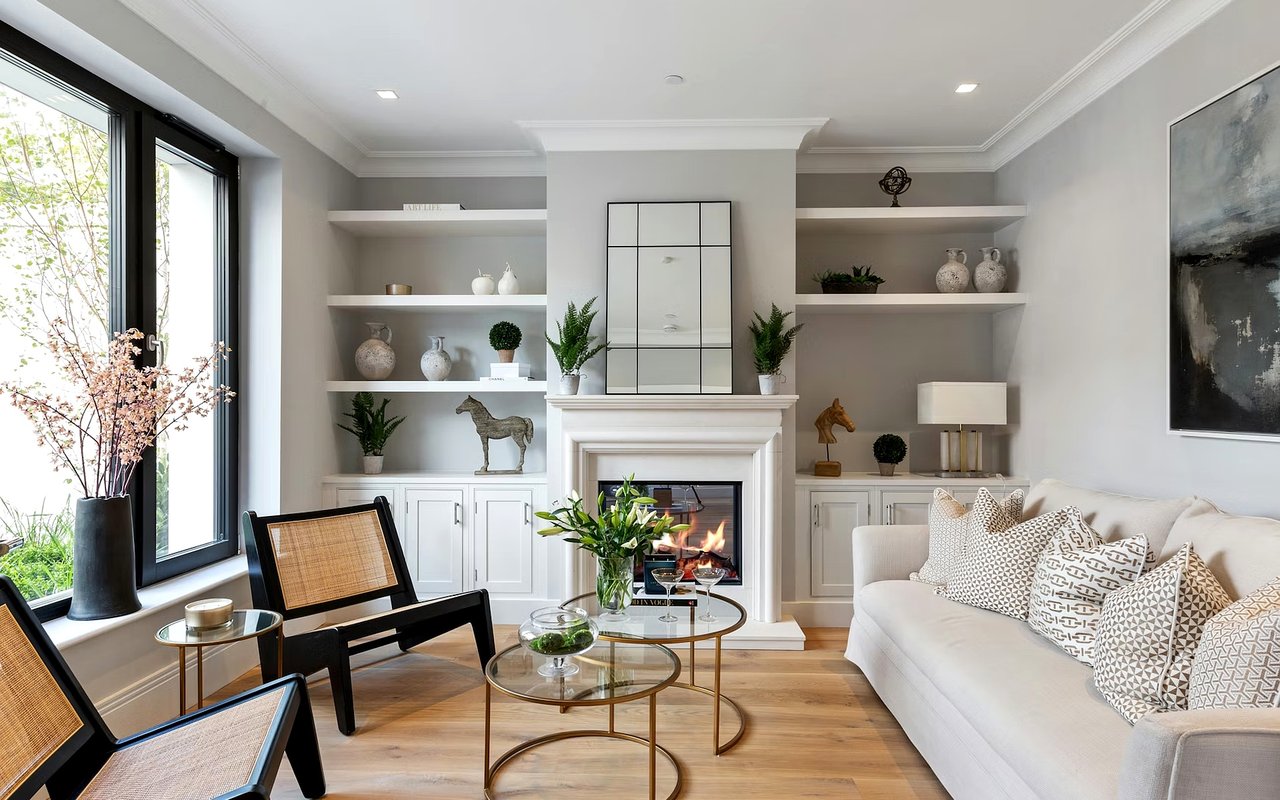
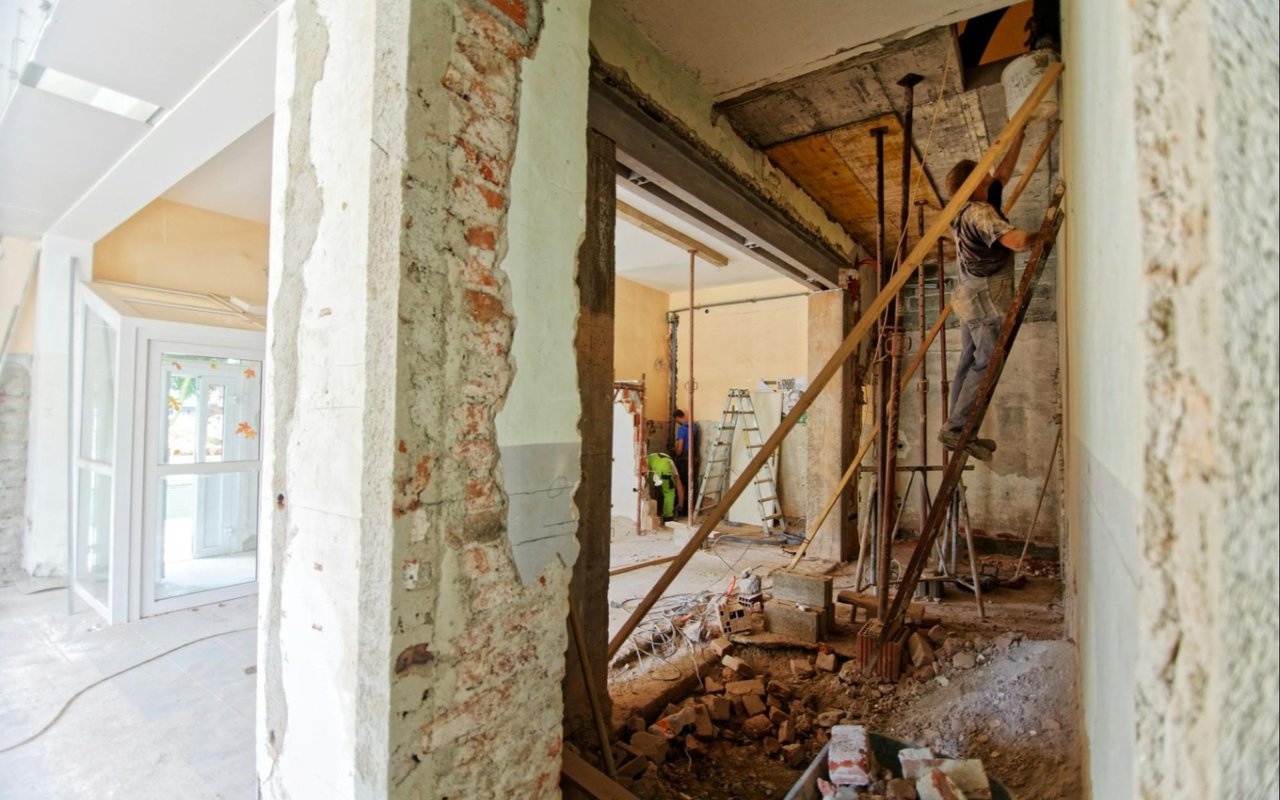
Many New Milford properties—especially those close to the center—have been thoughtfully renovated to blend old and new. Whether updating a Federal-style home or retrofitting a Greek Revival, the best renovations preserve exterior integrity while bringing interiors up to date.
Popular renovation upgrades:
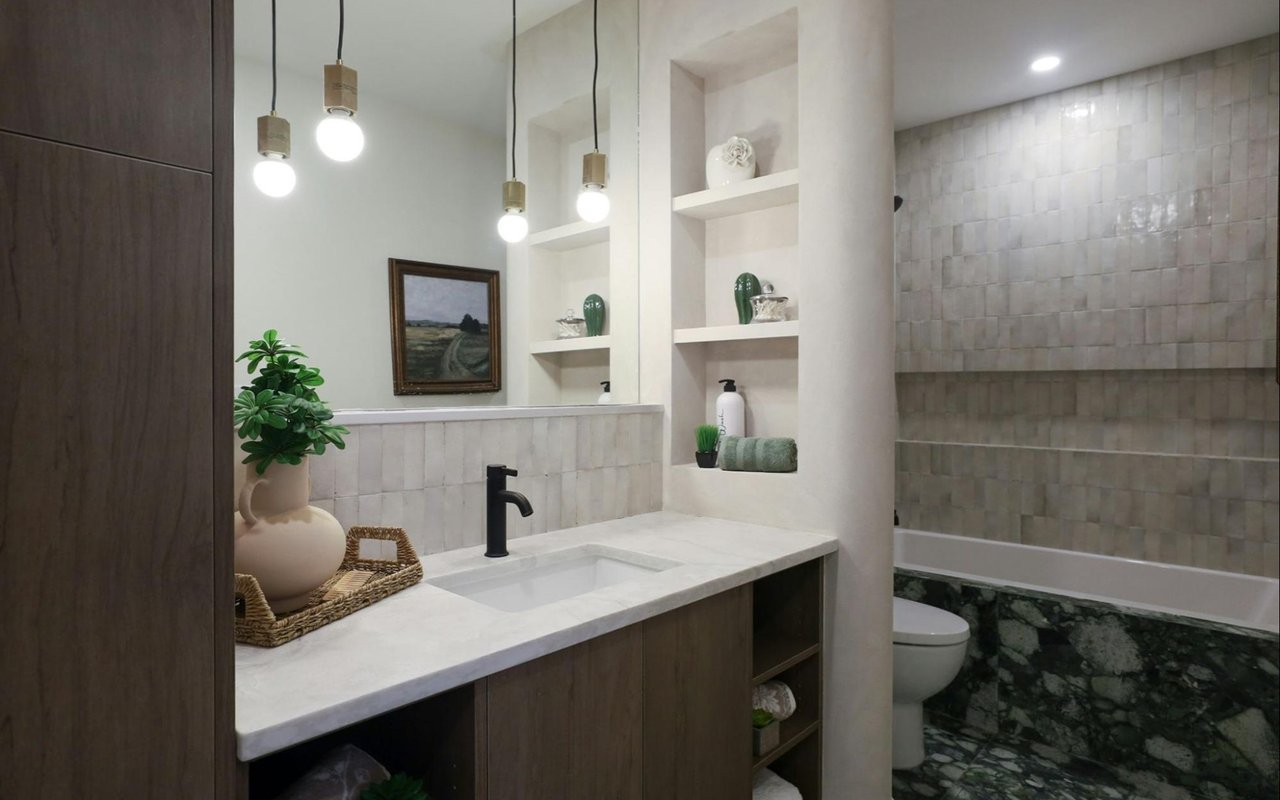
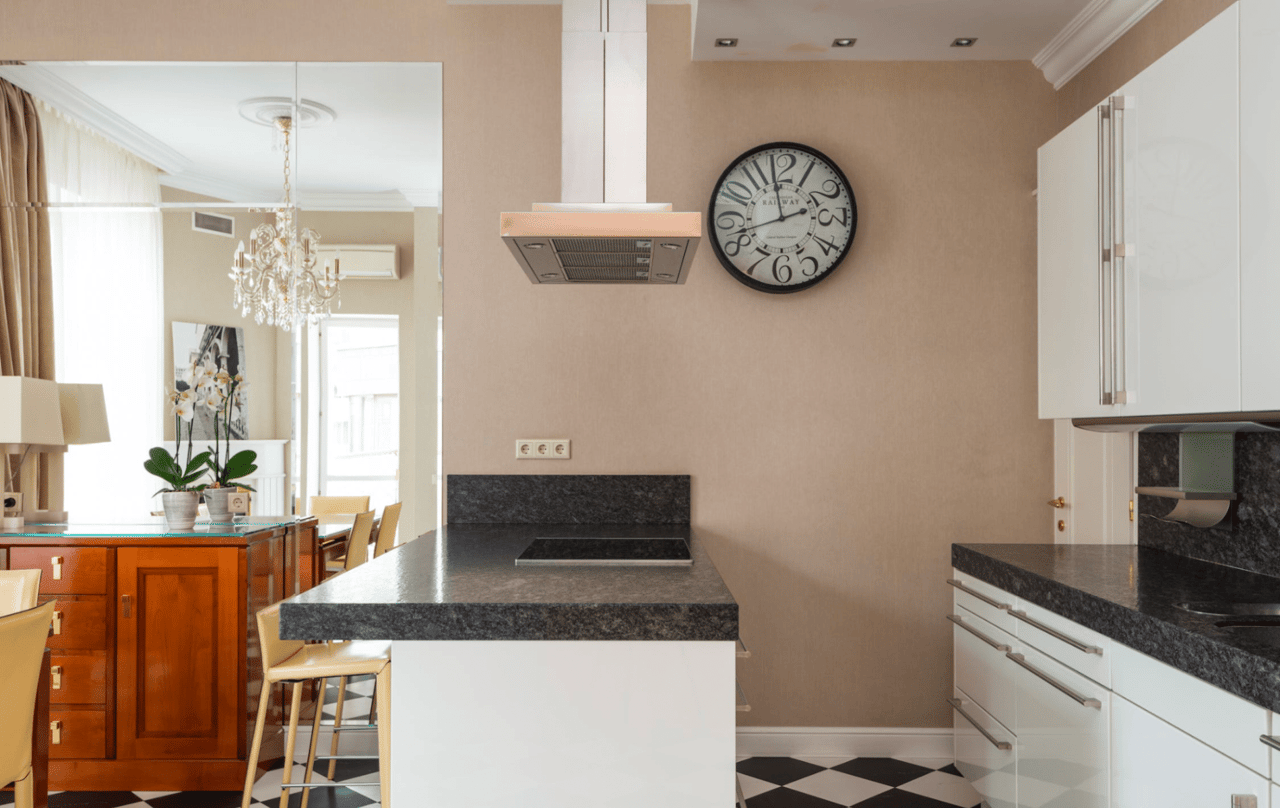
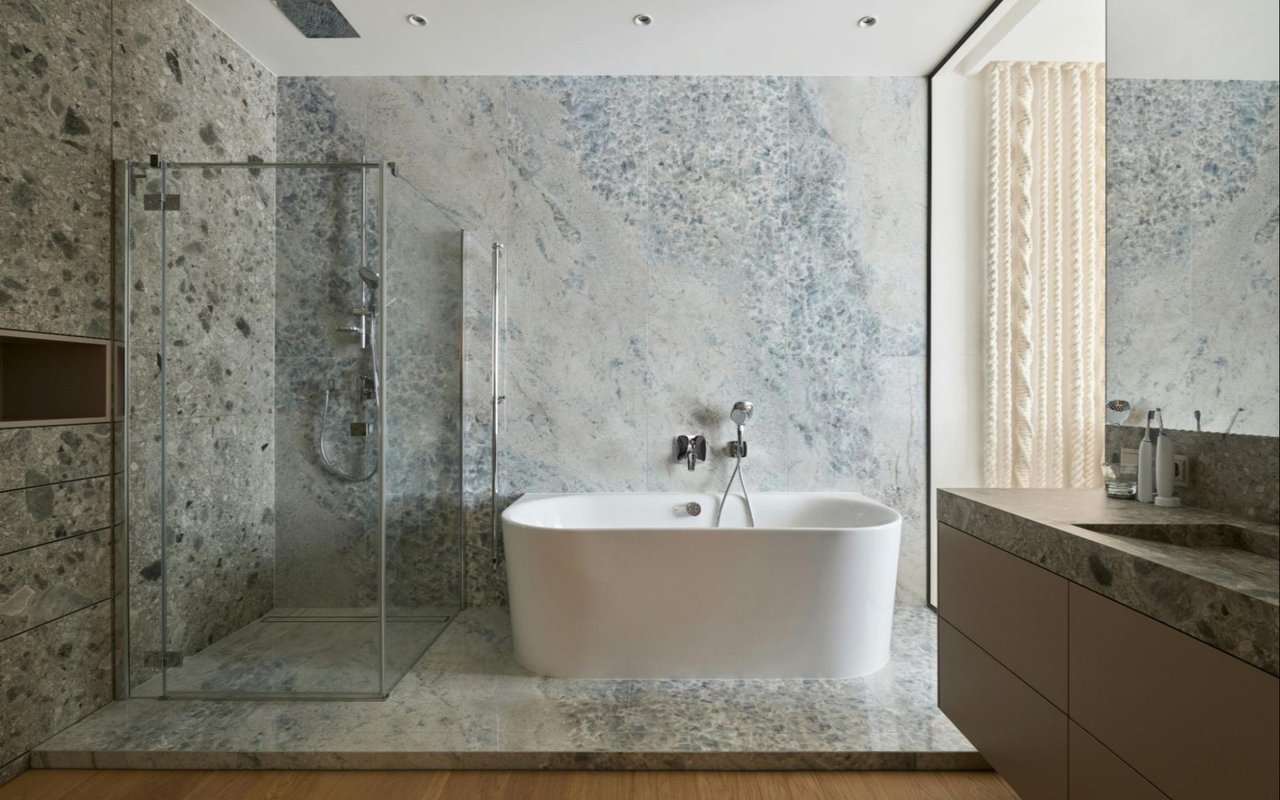
- Kitchen and bath redesigns that respect scale and layout.
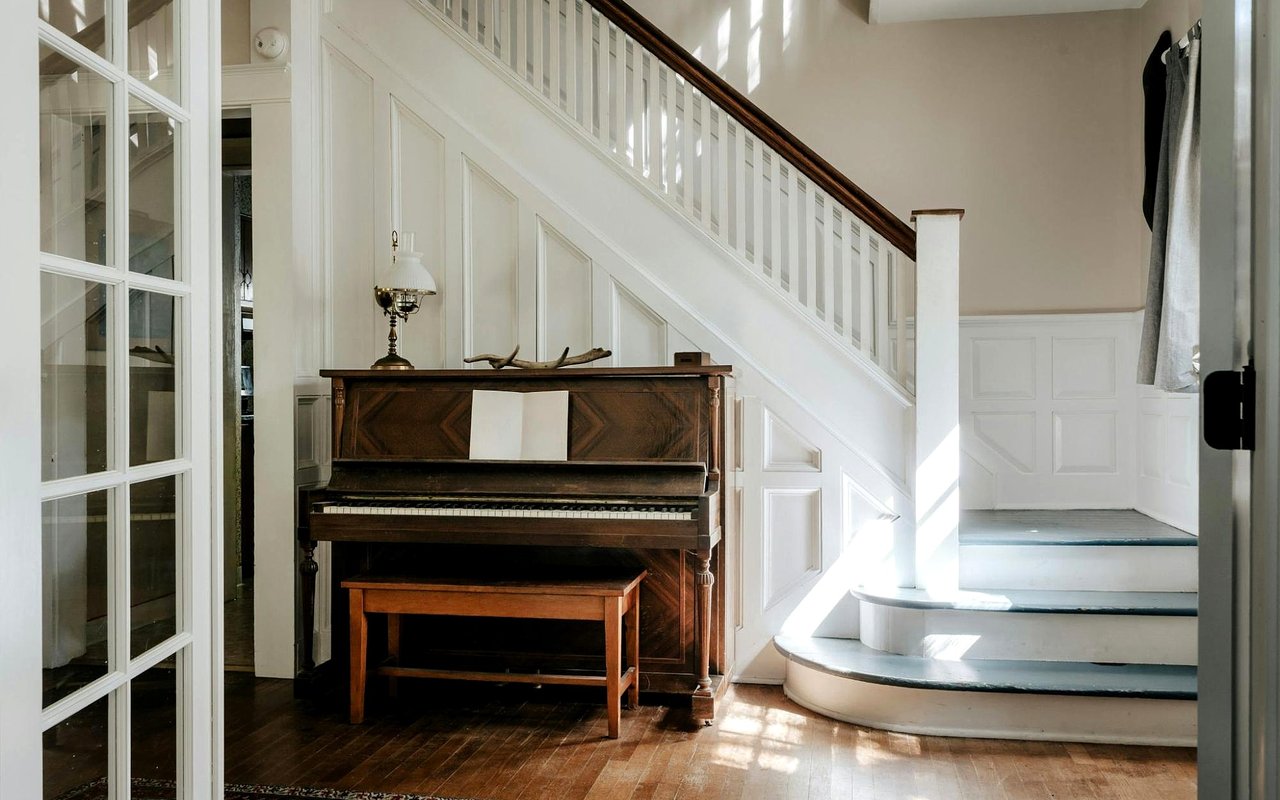
- Restored hardwood flooring and staircases, keeping original craftsmanship.
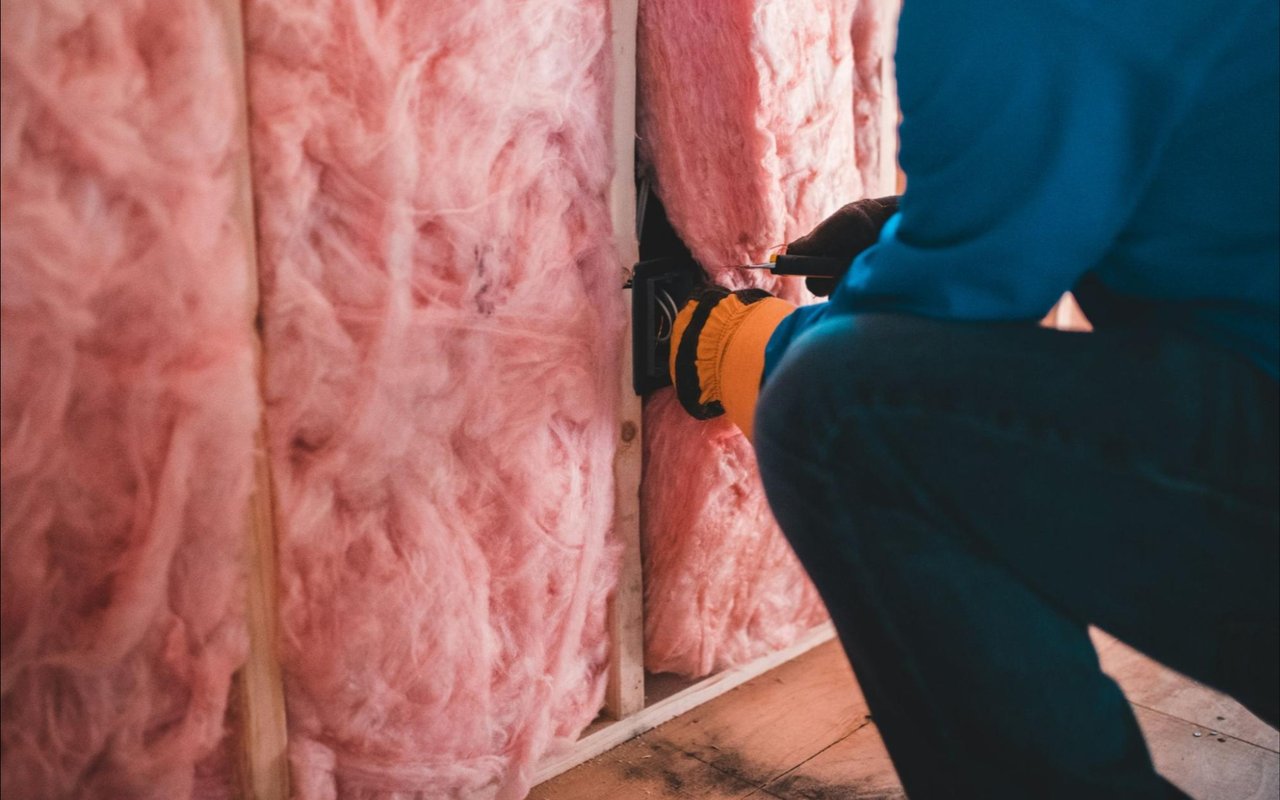
- Updated systems, including HVAC, insulation, and wiring.
- Subtle exterior repairs, like clapboard restoration or period-appropriate trim.
Buyers often value these upgrades because they preserve charm while improving daily livability.
How to Choose the Right Architectural Fit
With so many styles represented, it’s important to match your home choice to your preferences and lifestyle—not just curb appeal. Think about how you use your space, what maintenance you’re prepared for, and whether the design supports your long-term plans.
Smart questions to ask:
- Does the layout work, or will it need major adjustments?
- Are exterior materials durable, or do they require regular upkeep?
- Is there space to expand, especially with older layouts?
- Does the home allow for energy upgrades, like new windows or insulation?
We help our clients evaluate all of this during showings and inspections—because it’s not just about how a home looks, but how it lives.
FAQs
Are there many historic homes still available in New Milford?
Yes. The town center and surrounding roads include a range of preserved historic homes, particularly Colonial and Federal styles, often updated for modern use.
What is the most common architectural style in New Milford?
There’s no single dominant style. Colonial, Federal, and vernacular designs are common in older areas, while newer neighborhoods offer more contemporary builds and 20th-century layouts.
Can I renovate a historic home freely?
Renovations are allowed but may be subject to review in designated historic areas or when dealing with landmarked properties. Always check with the local building department before making major changes.
Contact Us Today
At Bowman Properties, we understand that architecture is more than style—it’s structure, history, and long-term potential. Whether you’re drawn to the symmetry of a colonial or the open flow of a contemporary build, we’ll help you find a home in New Milford that feels right for your life and your investment goals.
Reach out to us at Bowman Properties, and let’s explore your options together. With deep local knowledge and a focus on smart decisions, we’ll help you navigate New Milford’s architecture with confidence and clarity.
Reach out to us at Bowman Properties, and let’s explore your options together. With deep local knowledge and a focus on smart decisions, we’ll help you navigate New Milford’s architecture with confidence and clarity.