If you want open land, quiet roads, and a true New England country feel without feeling cut off from everyday needs, Bridgewater deserves a close look. For many buyers, the challenge is finding a town that feels peaceful and preserved while still keeping regional errands and commuting routes within reach. This guide will help you understand what life in Bridgewater, CT is really like, what kinds of homes you can expect, and who this small Litchfield County town tends to suit best. Let’s dive in.
Why Bridgewater Stands Out
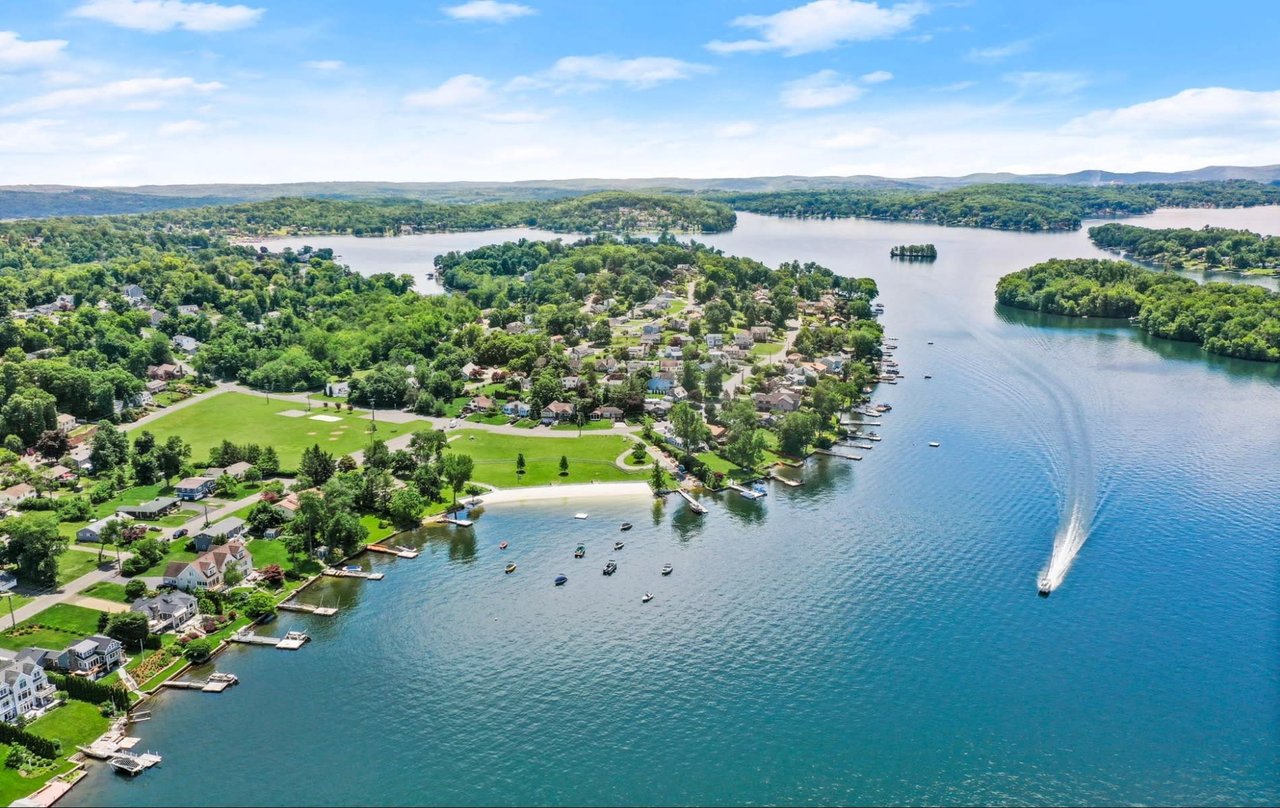
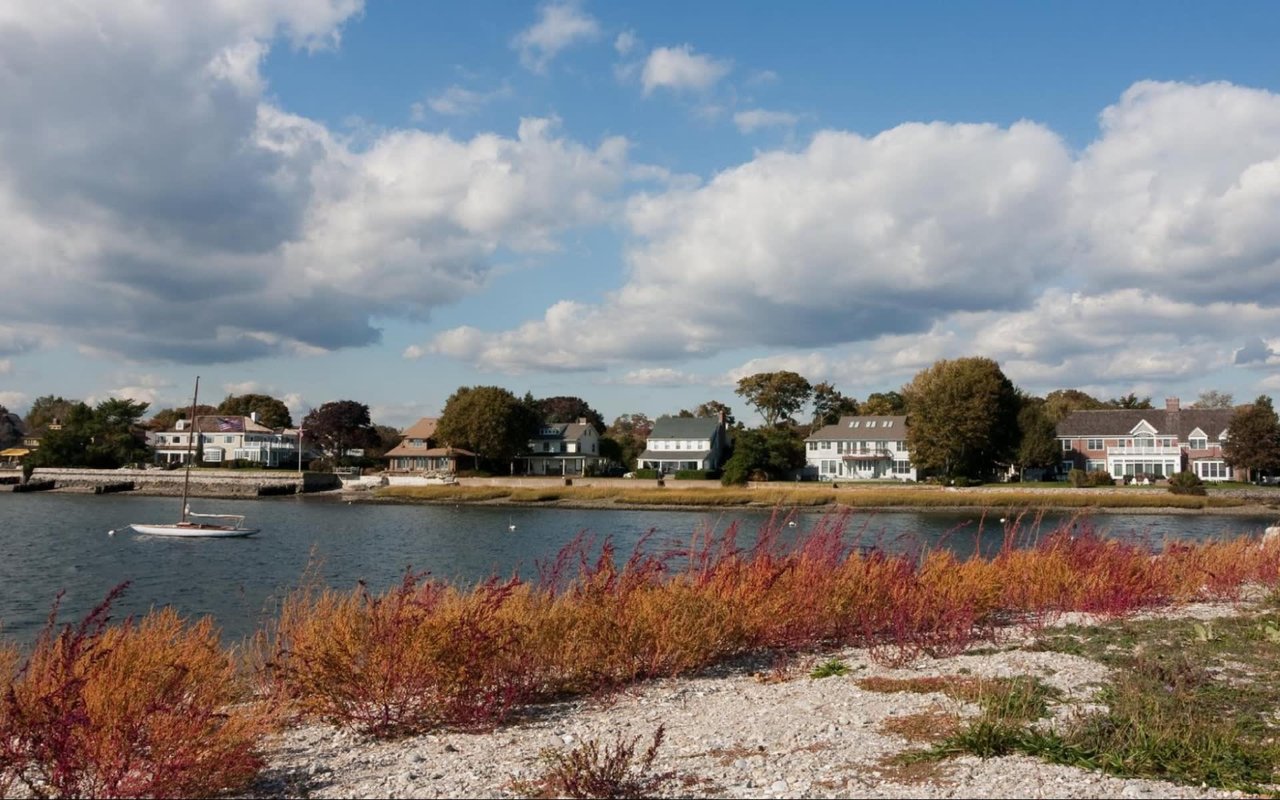
Bridgewater is a small rural town in southern Litchfield County with about 16 square miles of rolling countryside, wetlands, and river views. The landscape includes ridge-and-valley terrain, scenic roads, and water features tied to Lake Lillinonah and the Shepaug River. If you are looking for a place that feels visually tied to the land, that character is a big part of Bridgewater’s appeal.
The town has also made preservation a central part of its identity. Local planning documents emphasize rural character, farm and open land, scenic views, and safe country roads. More than 3,000 acres of open space are managed by land trusts and conservancies, which helps explain why Bridgewater feels protected from the kind of rapid change you may see in more built-up towns.
A Small Town With a Preserved Feel
Bridgewater is not a fast-growing suburb. Its 2020 population was about 1,660, and the town’s planning documents describe it as small, mature, and deeply shaped by long-term preservation goals. If you are hoping for a quieter setting with less intensity than larger town centers, that can be a major plus.
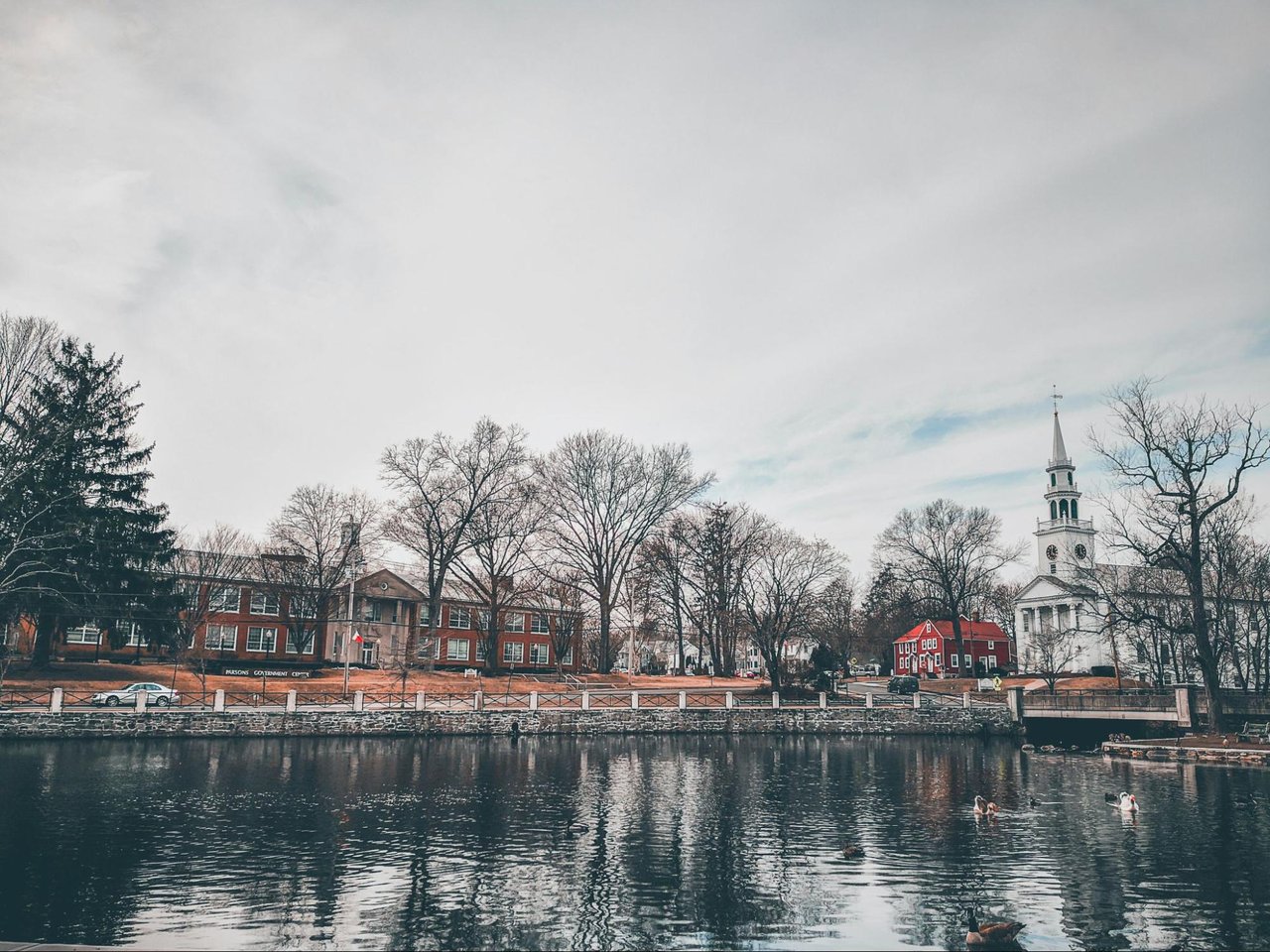
The town center plays an important role in daily life and local identity. It includes civic and community spaces such as town hall, library, churches, the historical society, recreation facilities, the senior center, and a town park by Lake Lillinonah. Rather than sprawling outward with large commercial areas, Bridgewater keeps a compact core that supports its village feel.
Bridgewater Homes and Property Types
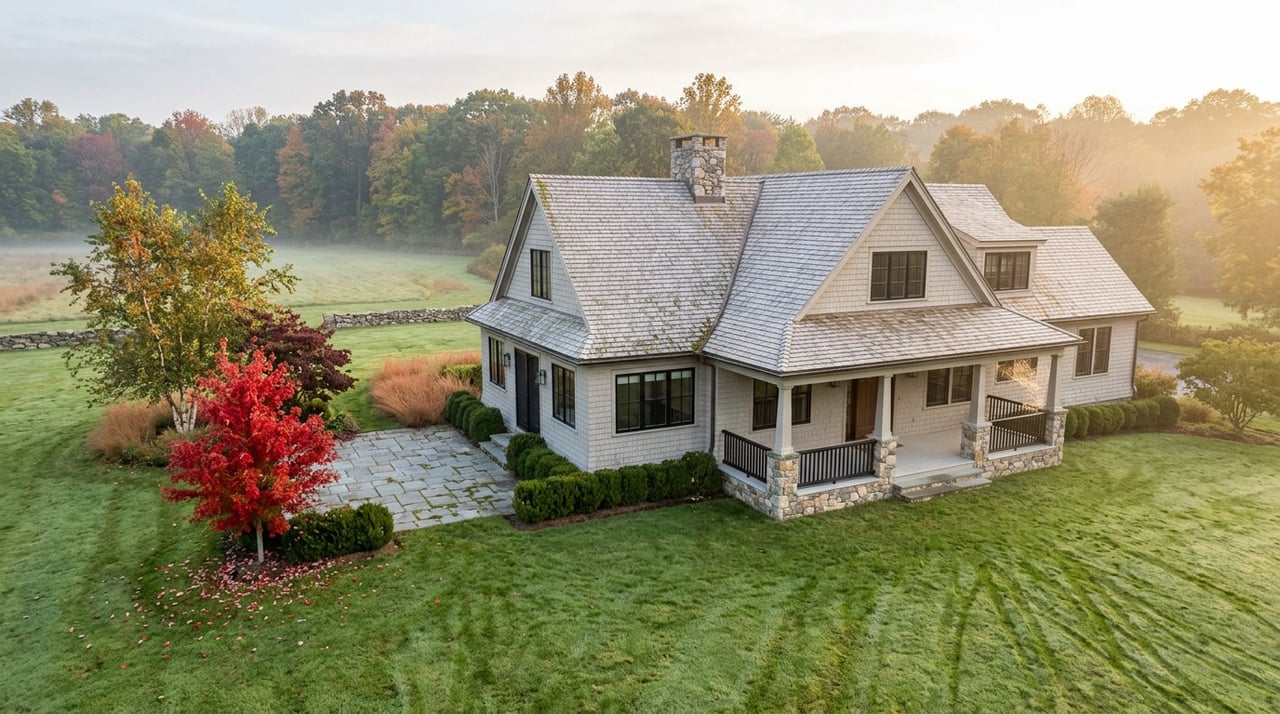
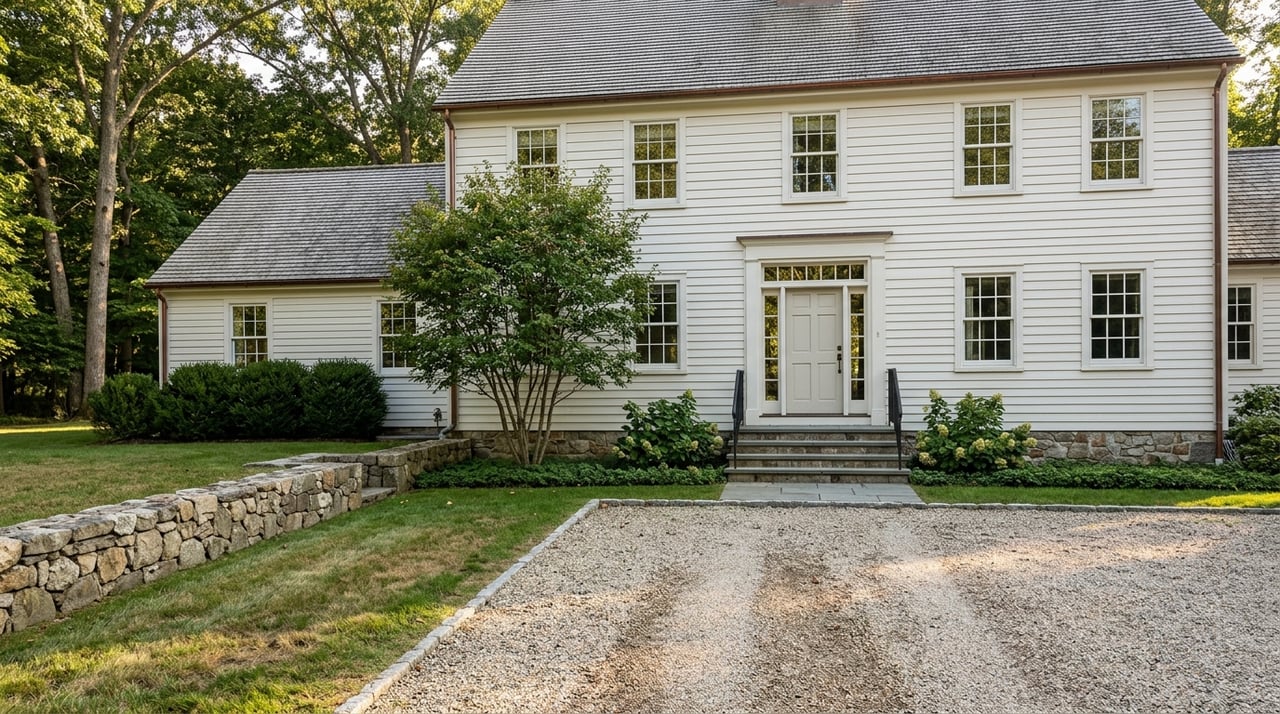
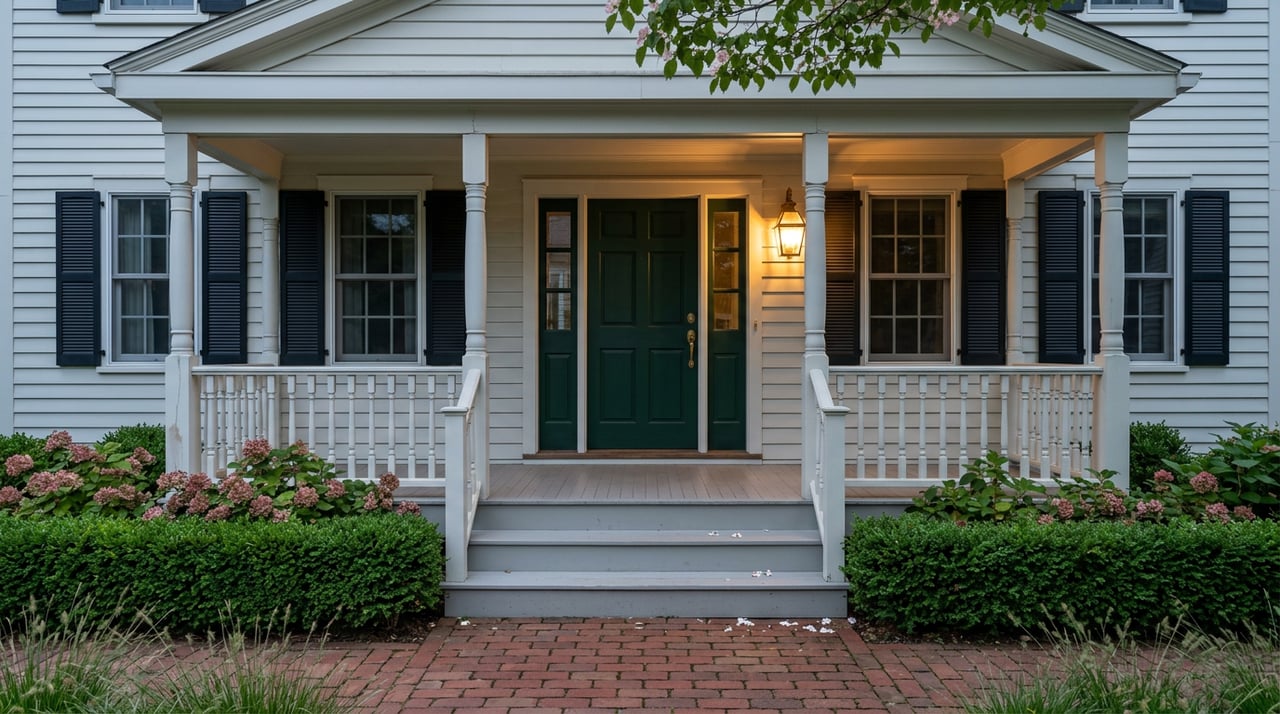
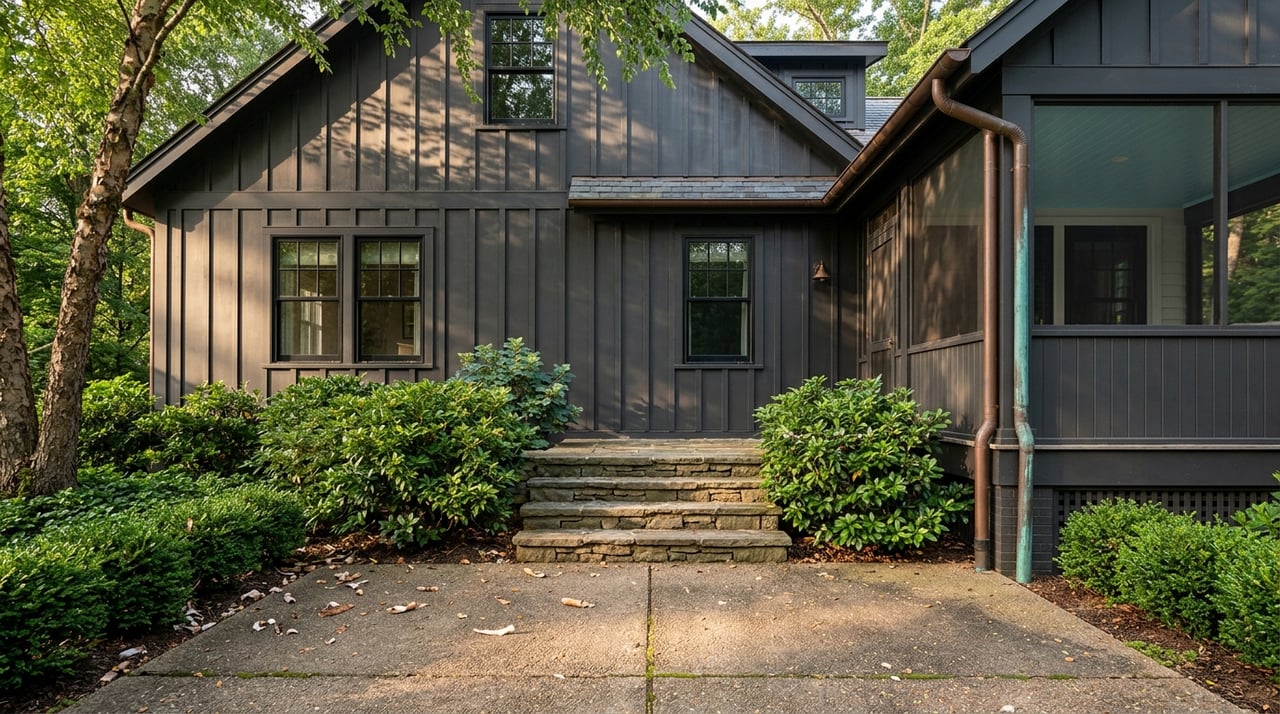
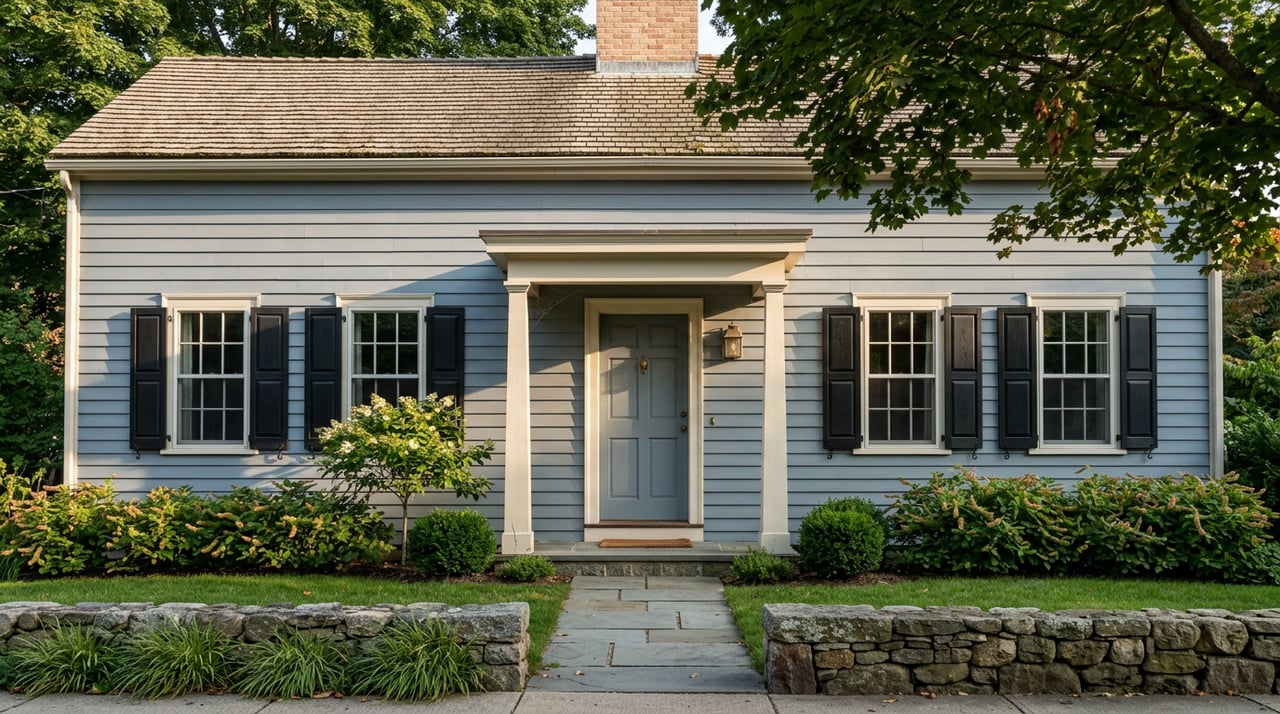
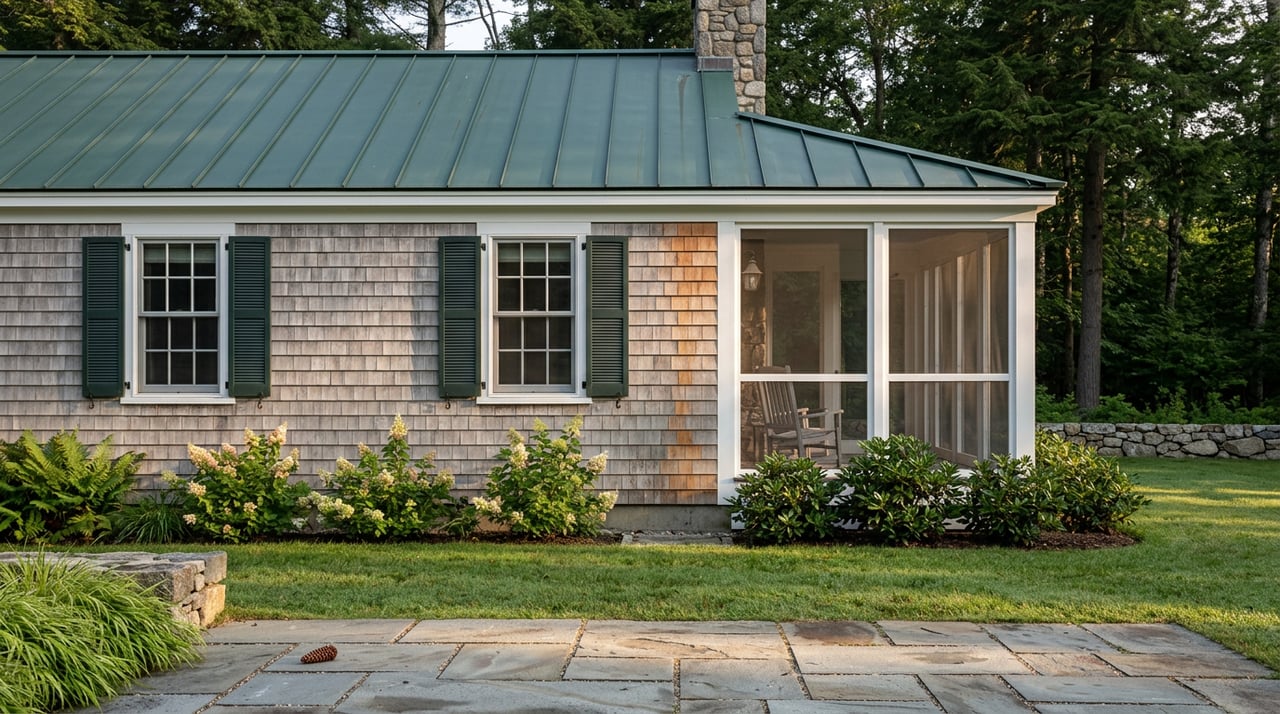
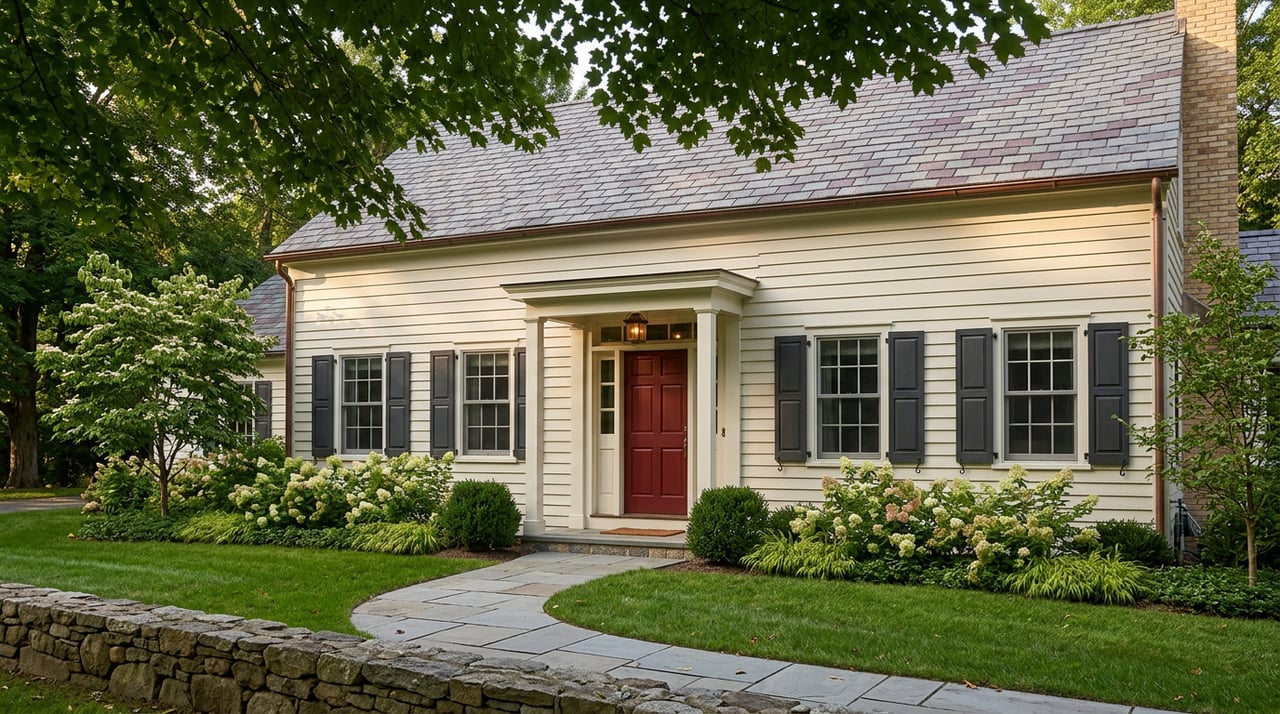
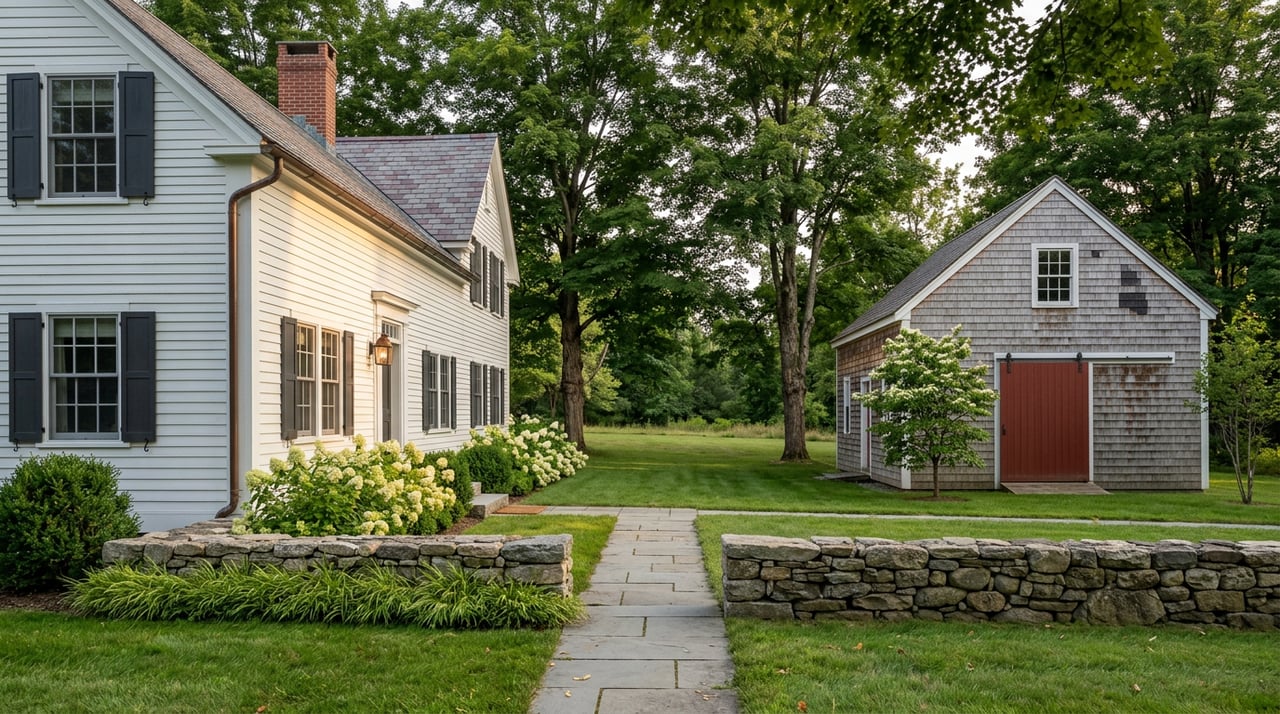
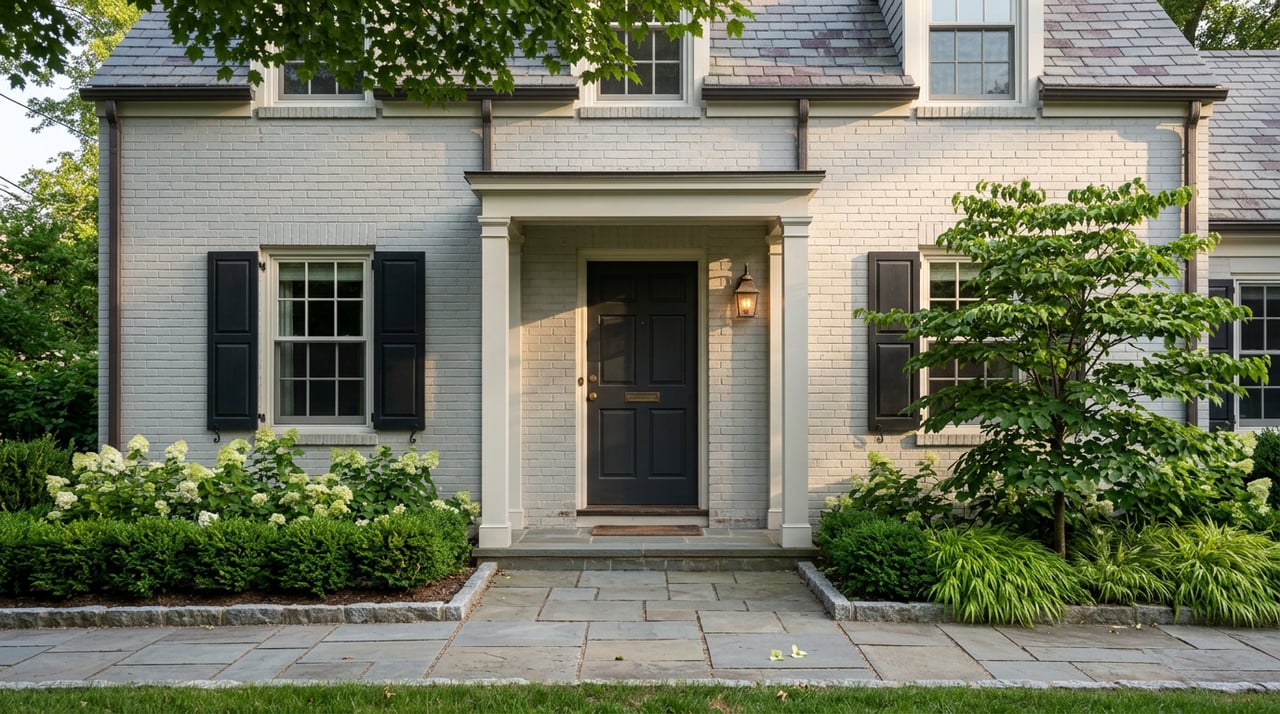
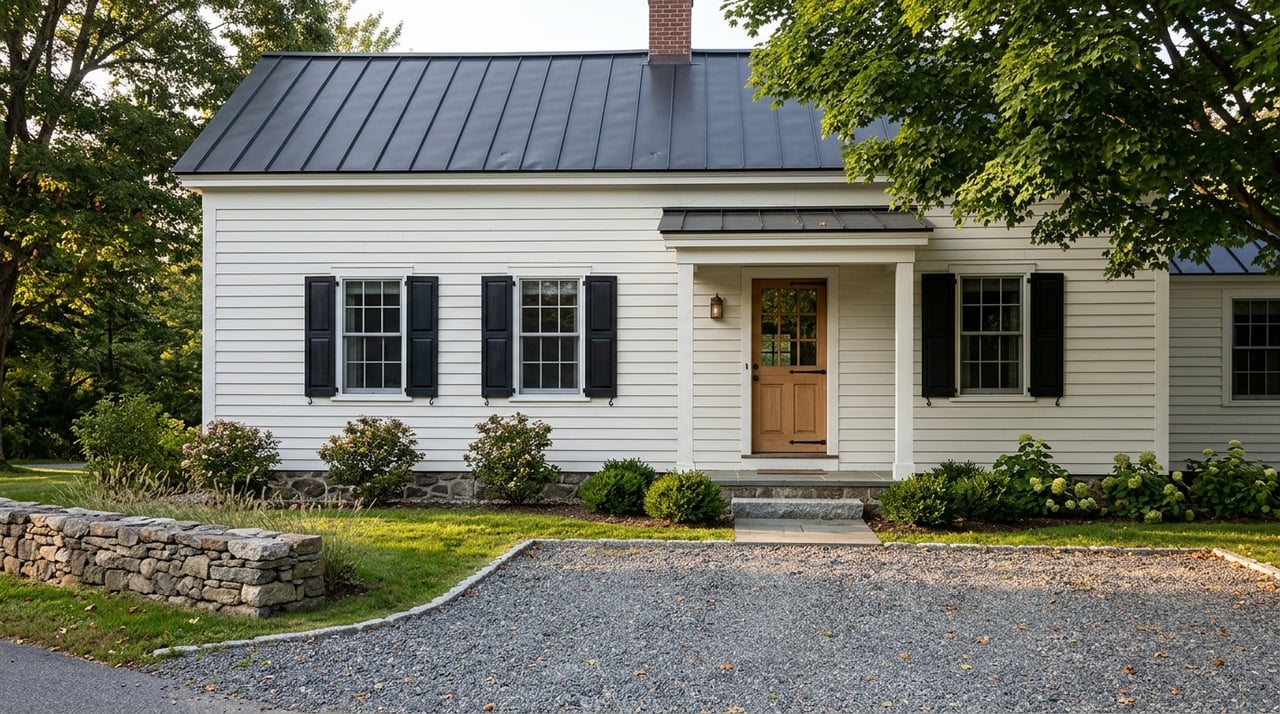
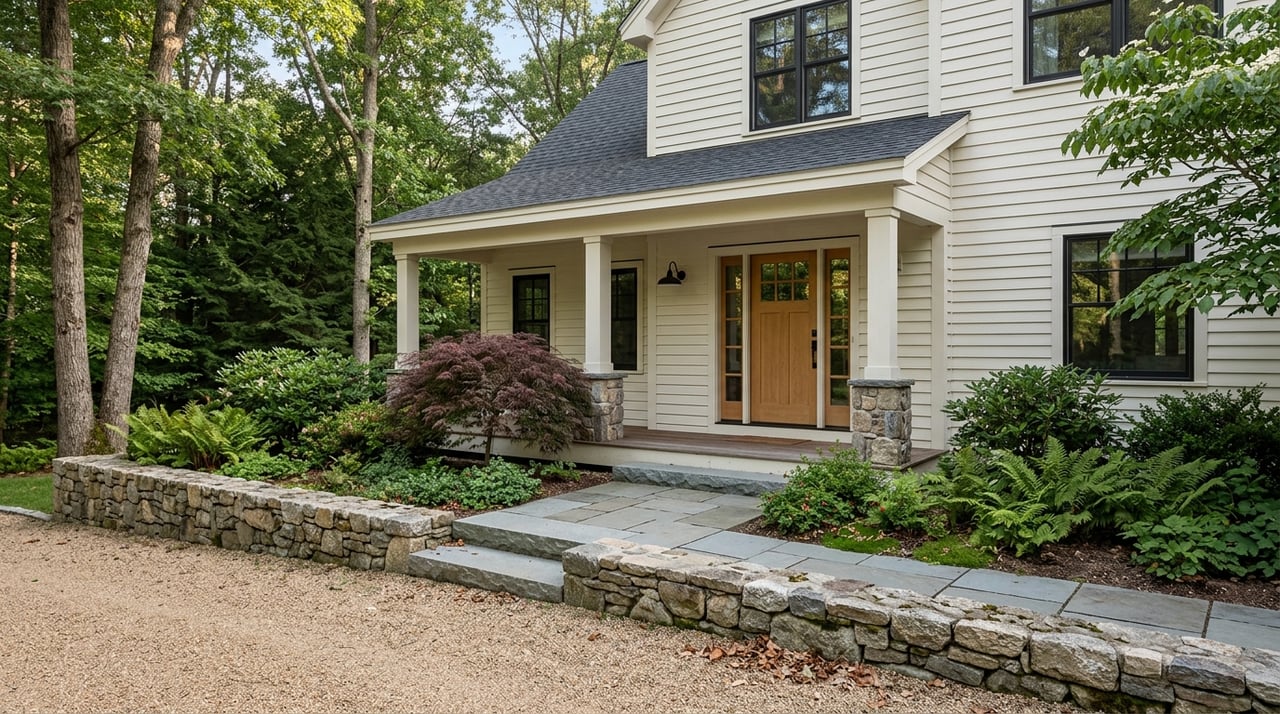
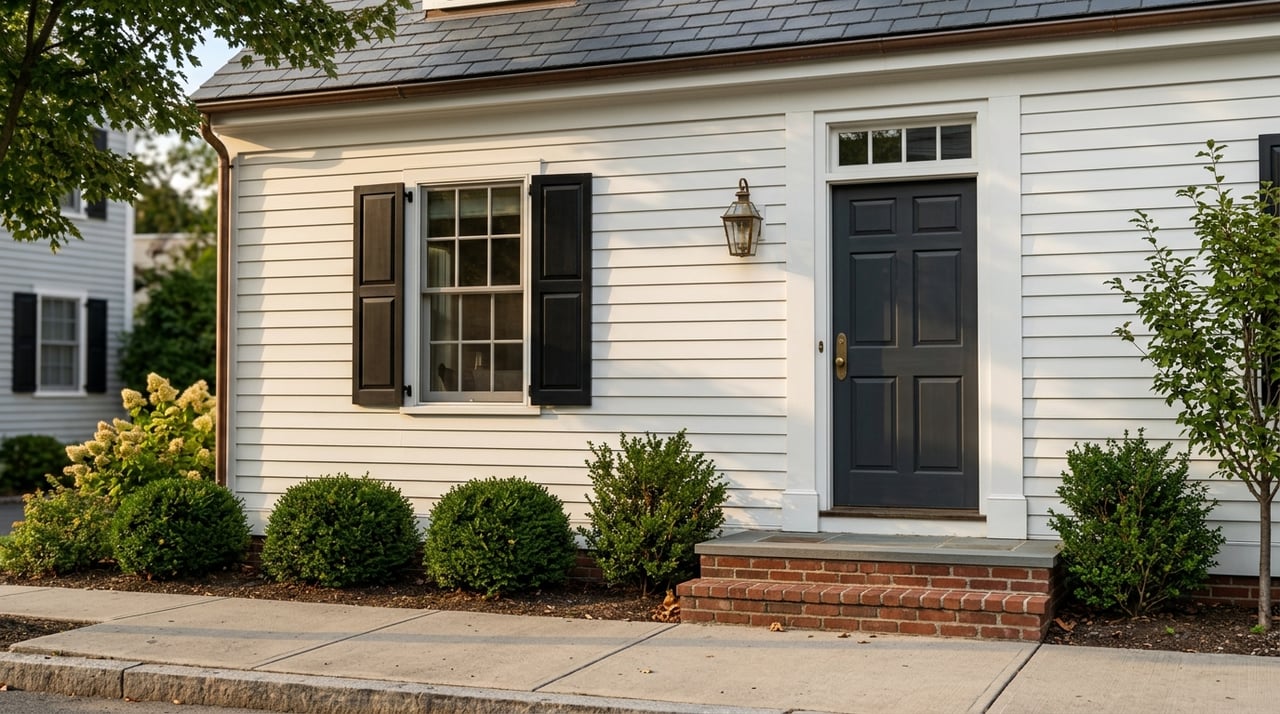
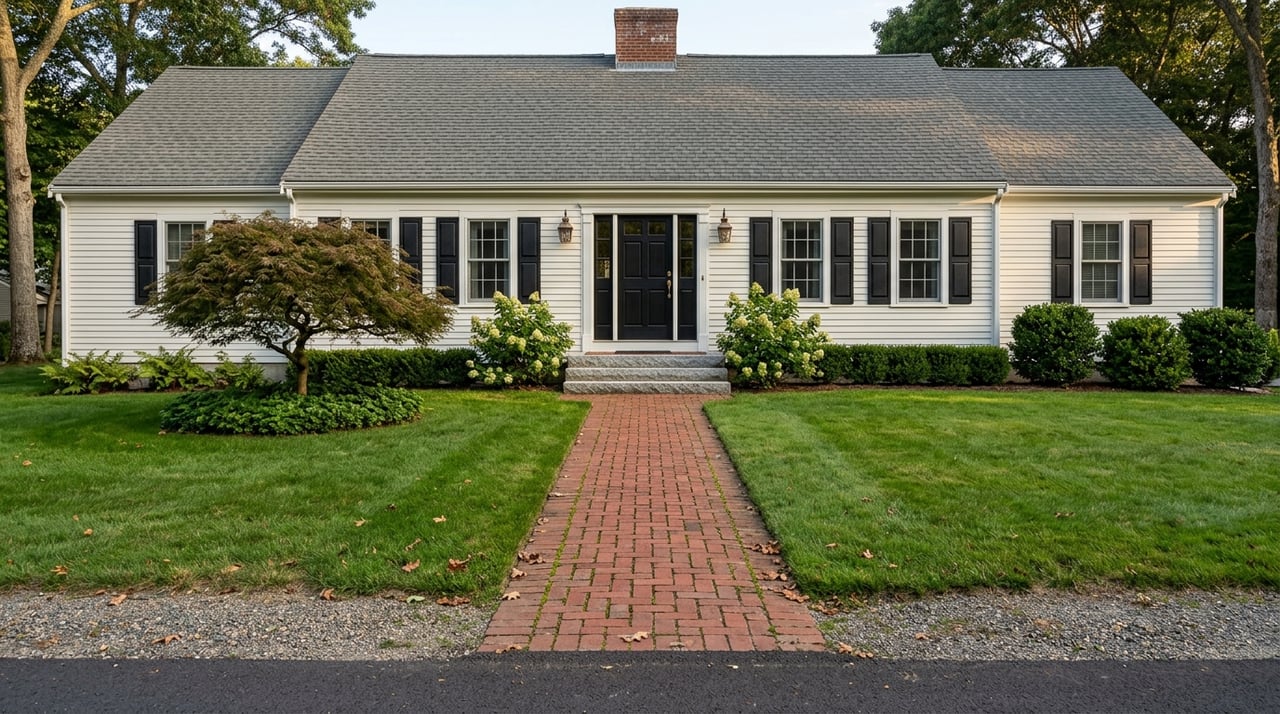
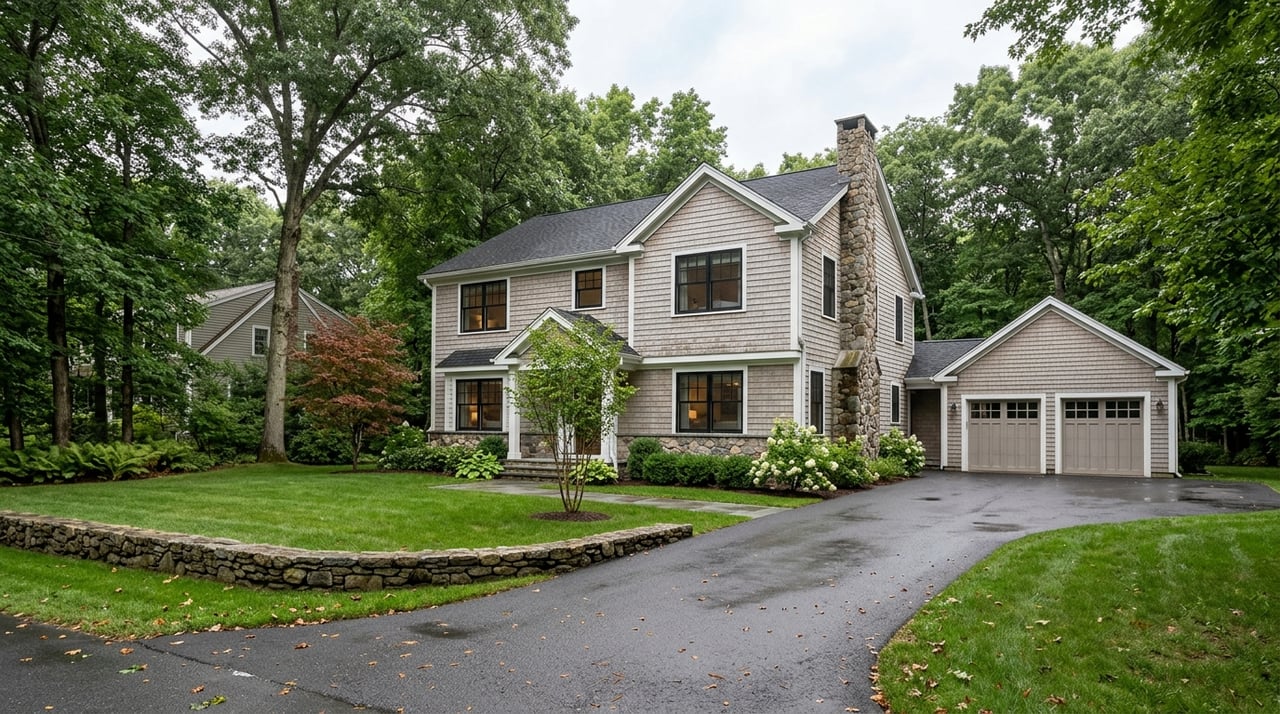
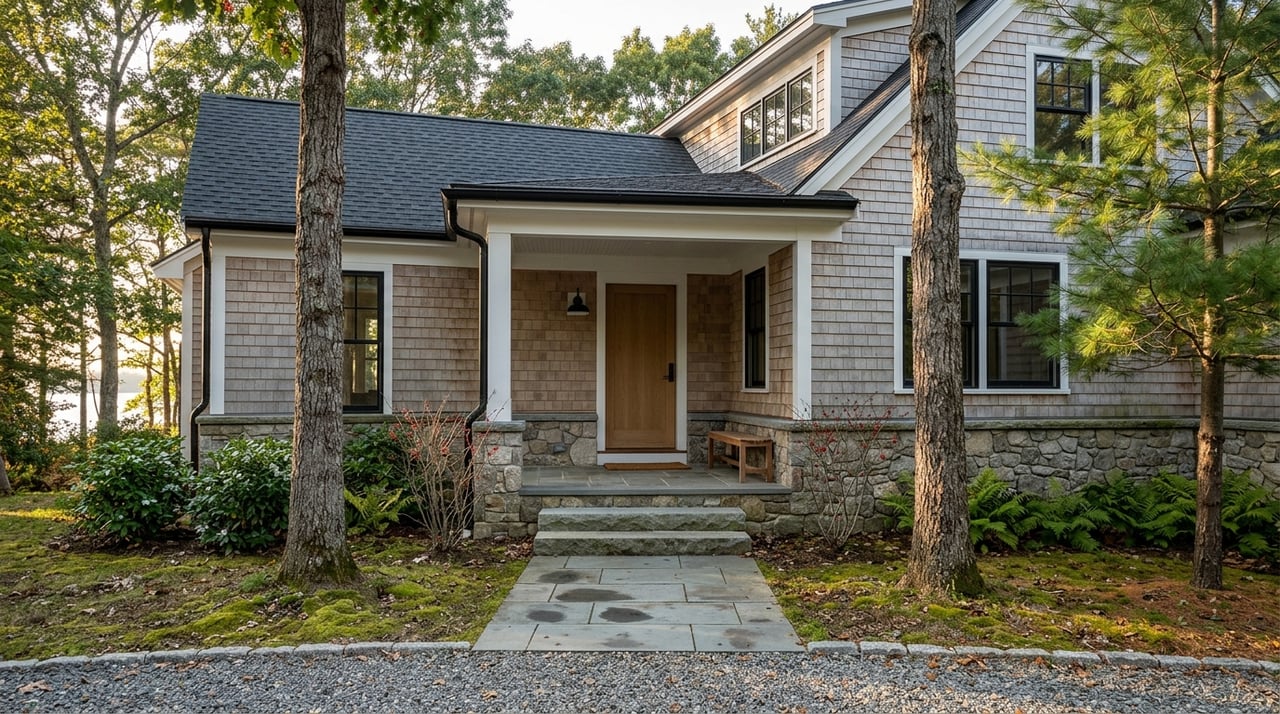
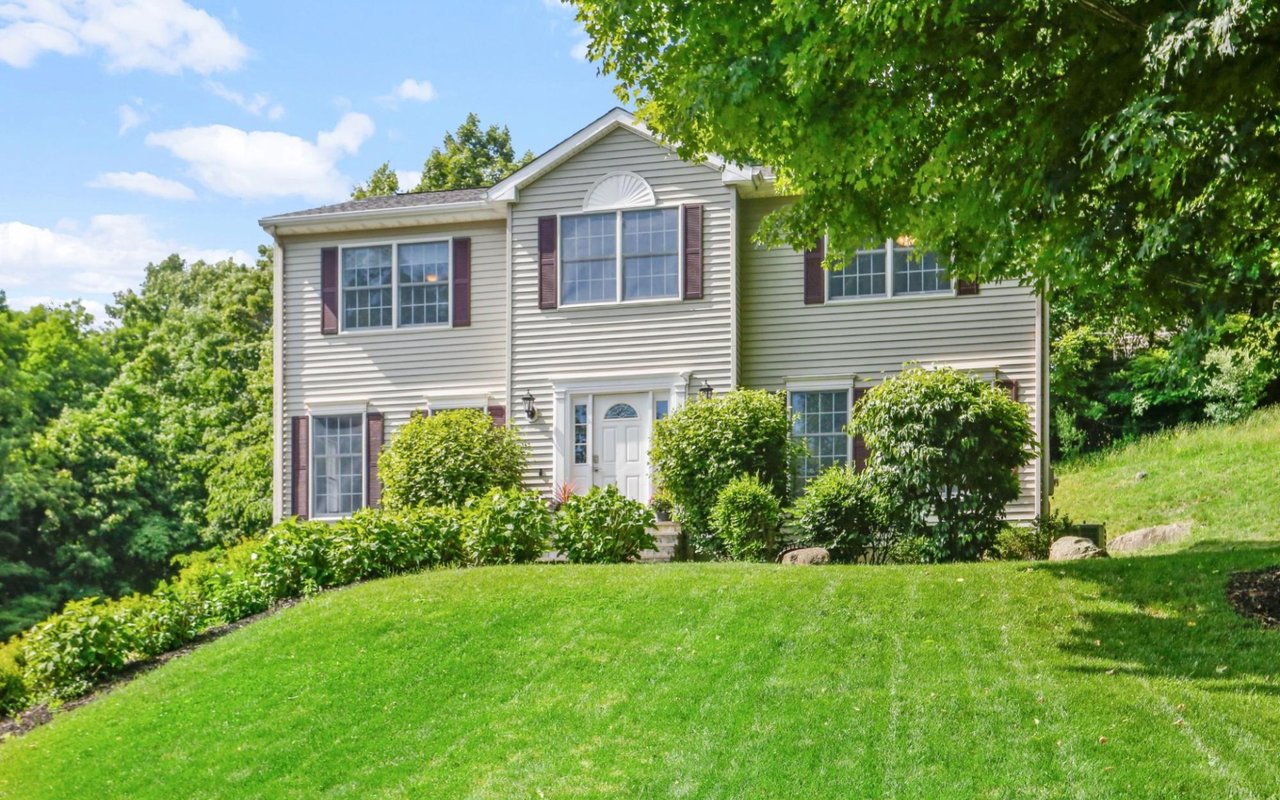
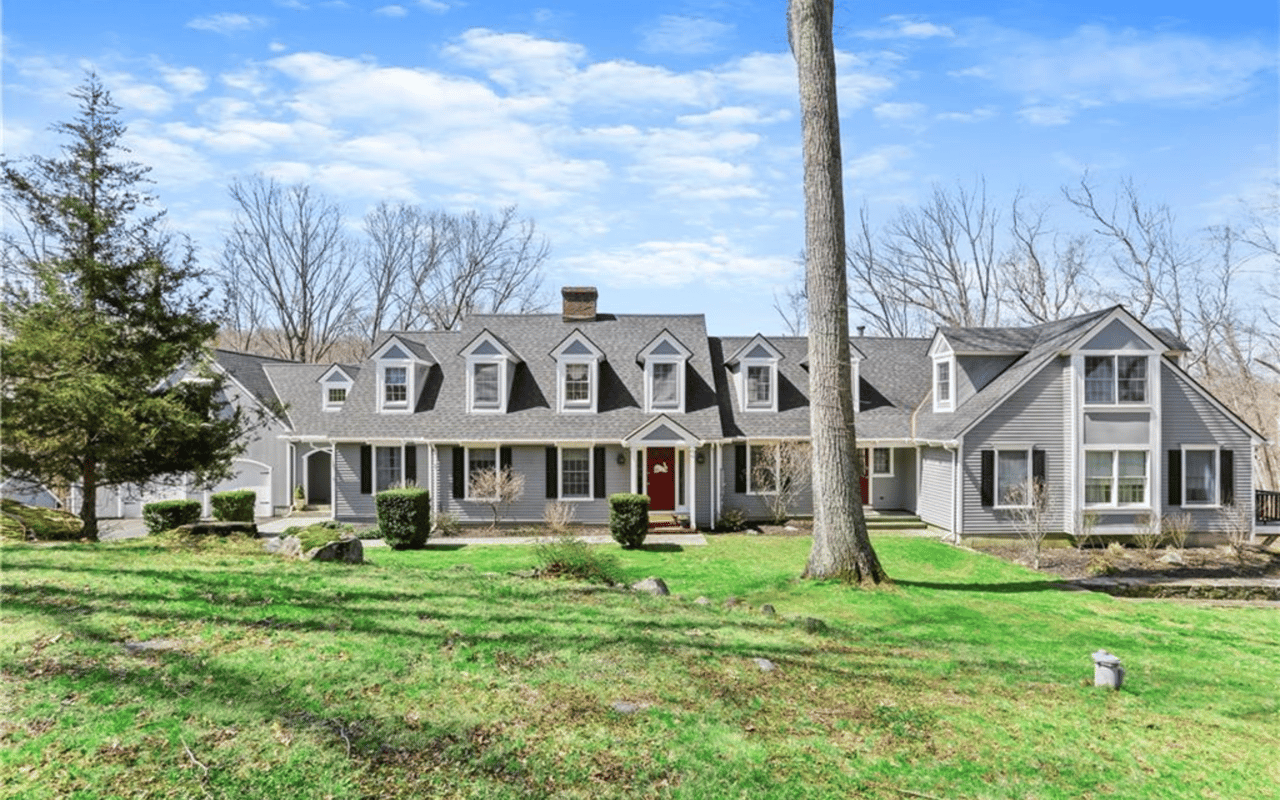
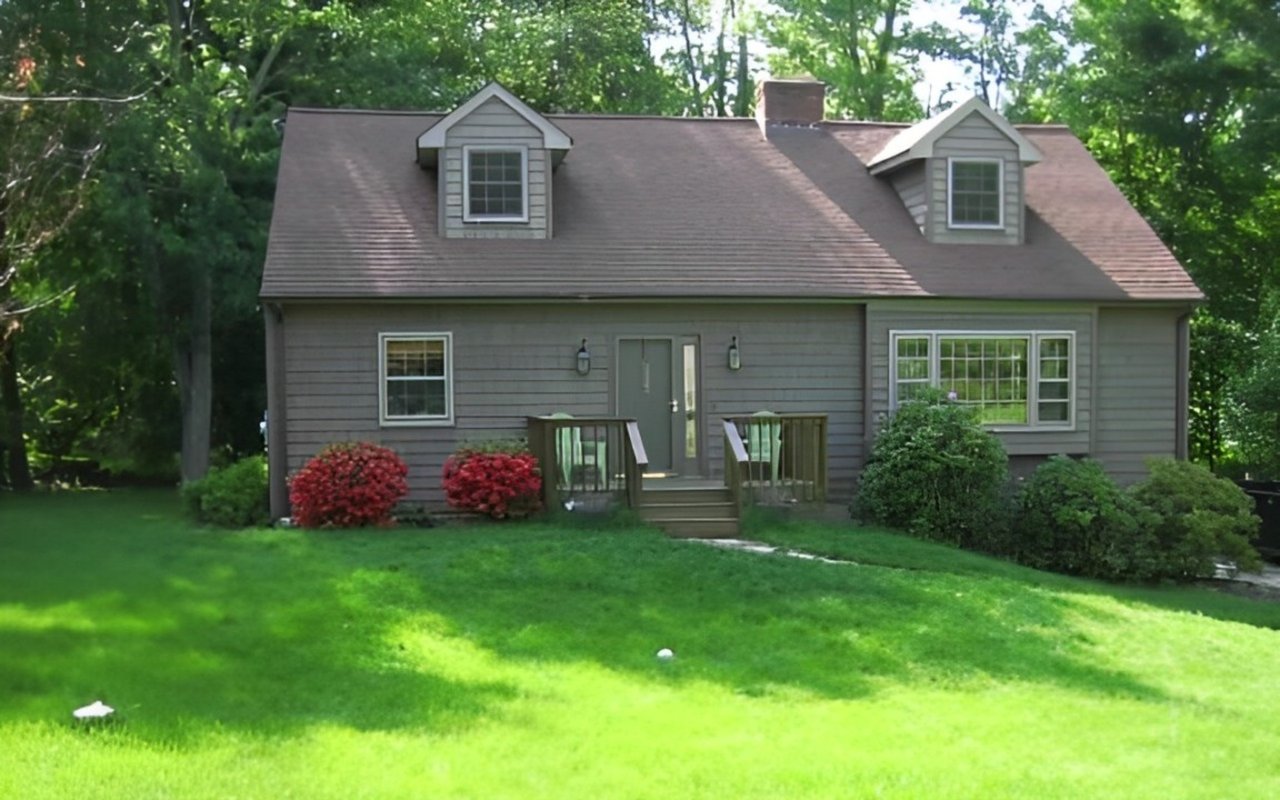
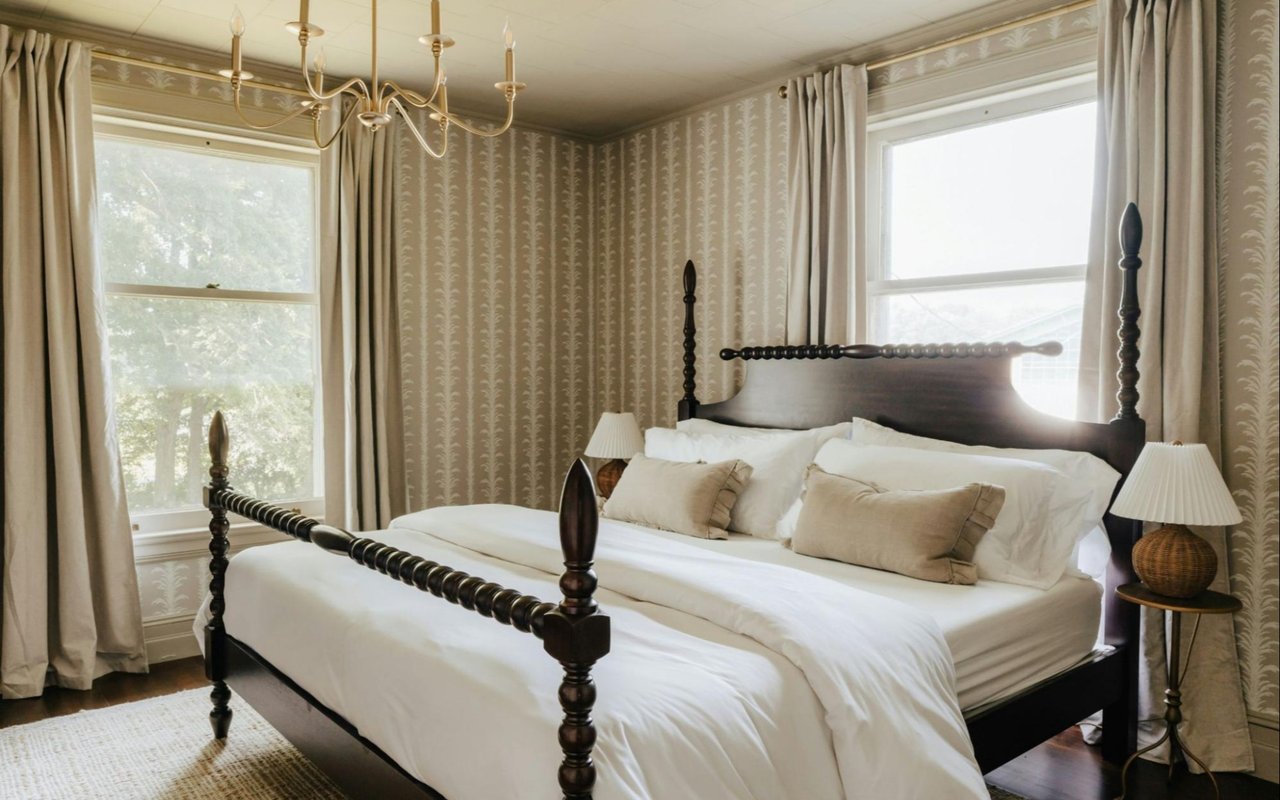
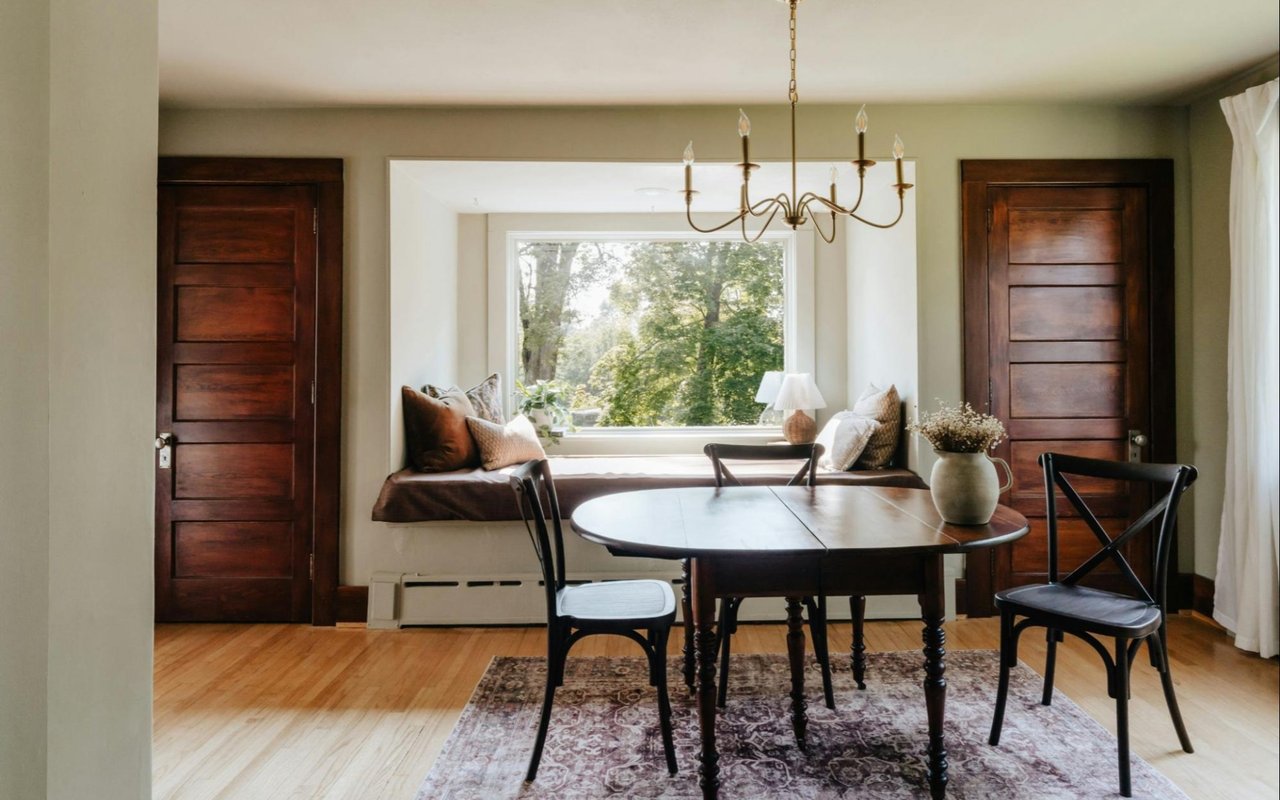
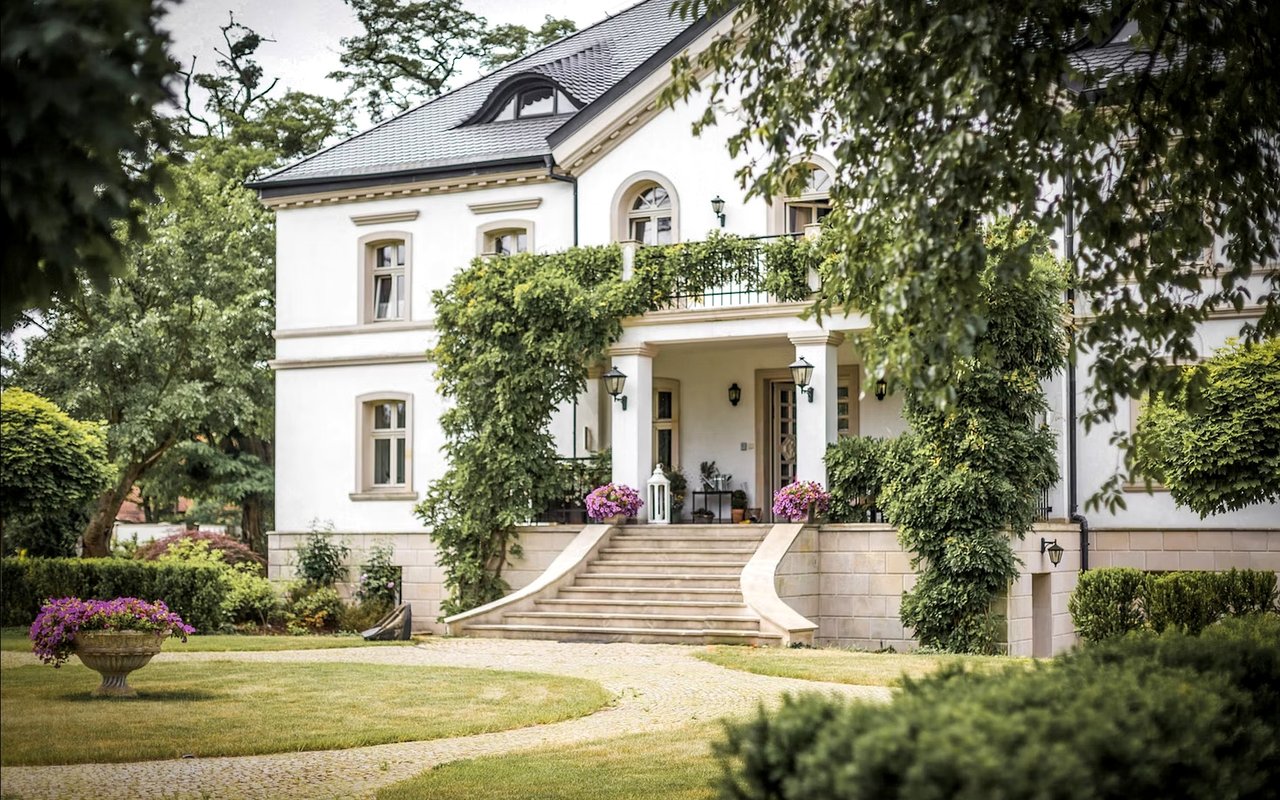
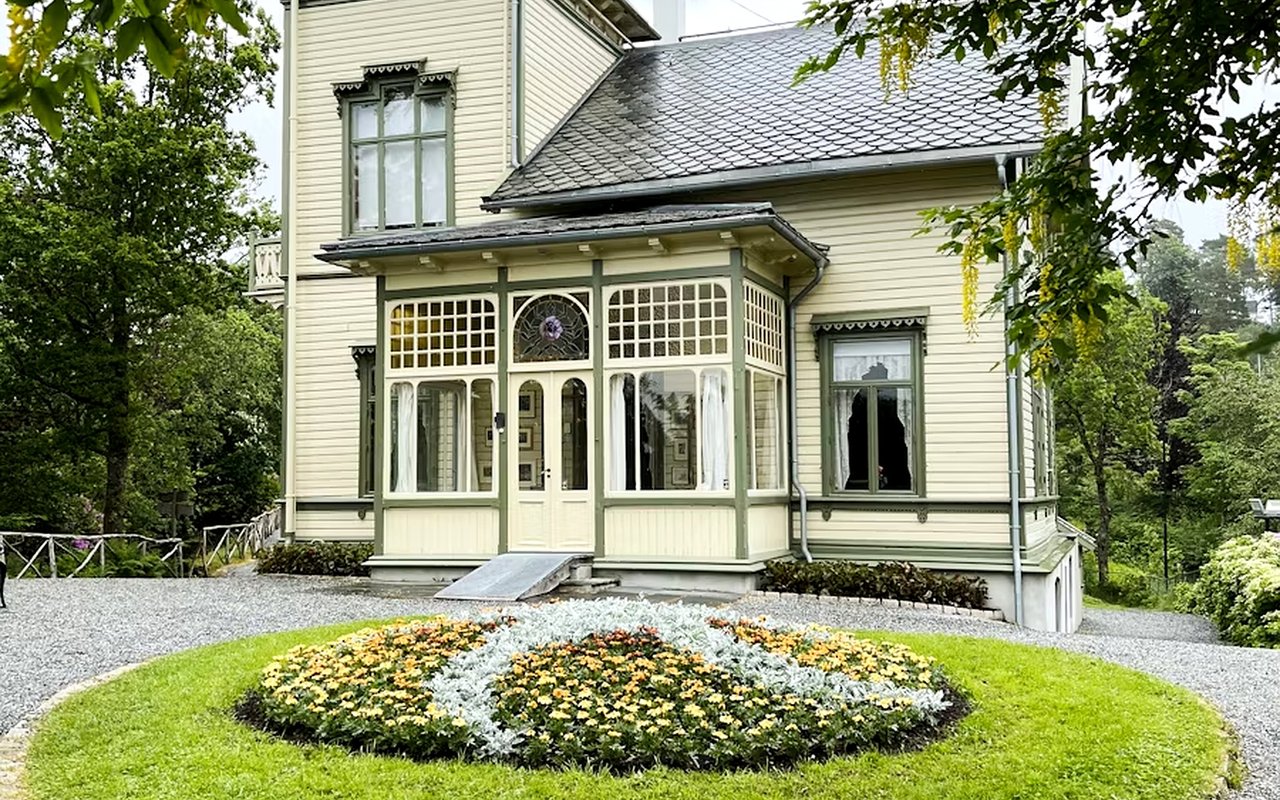
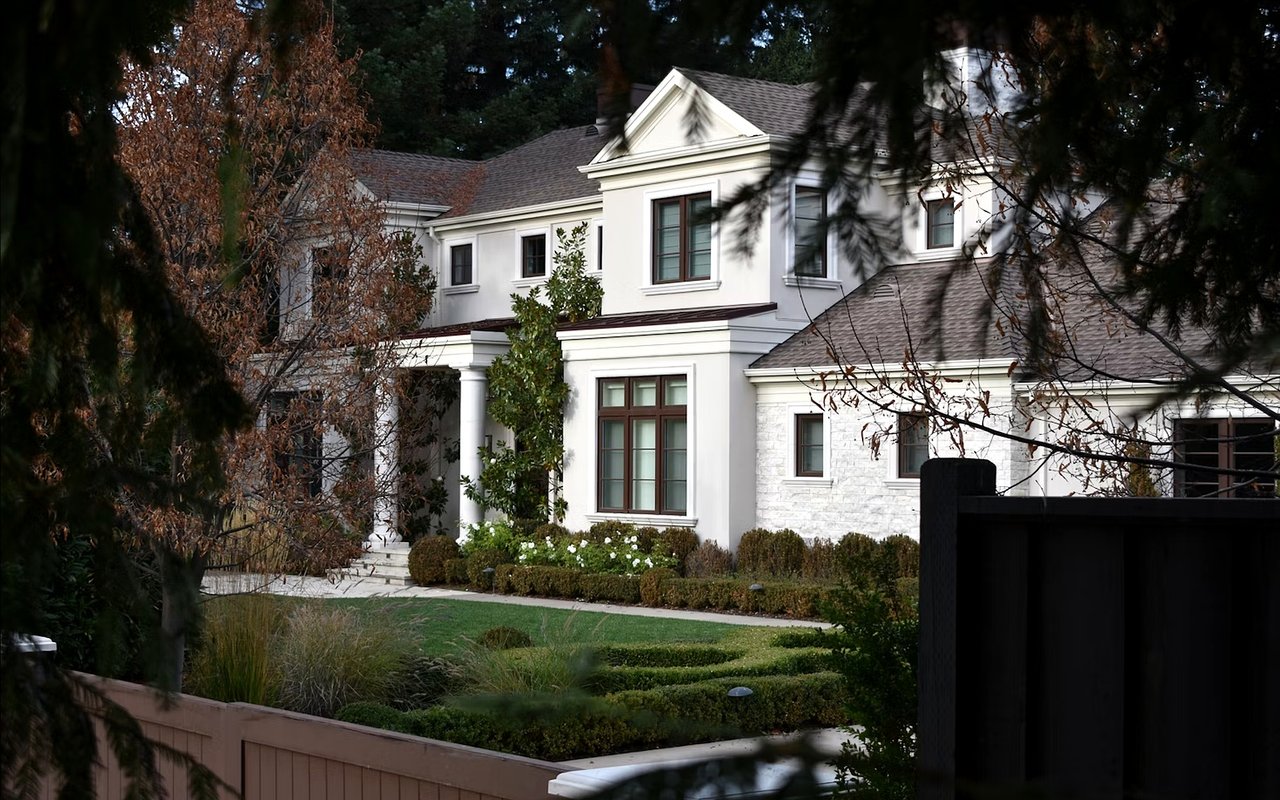
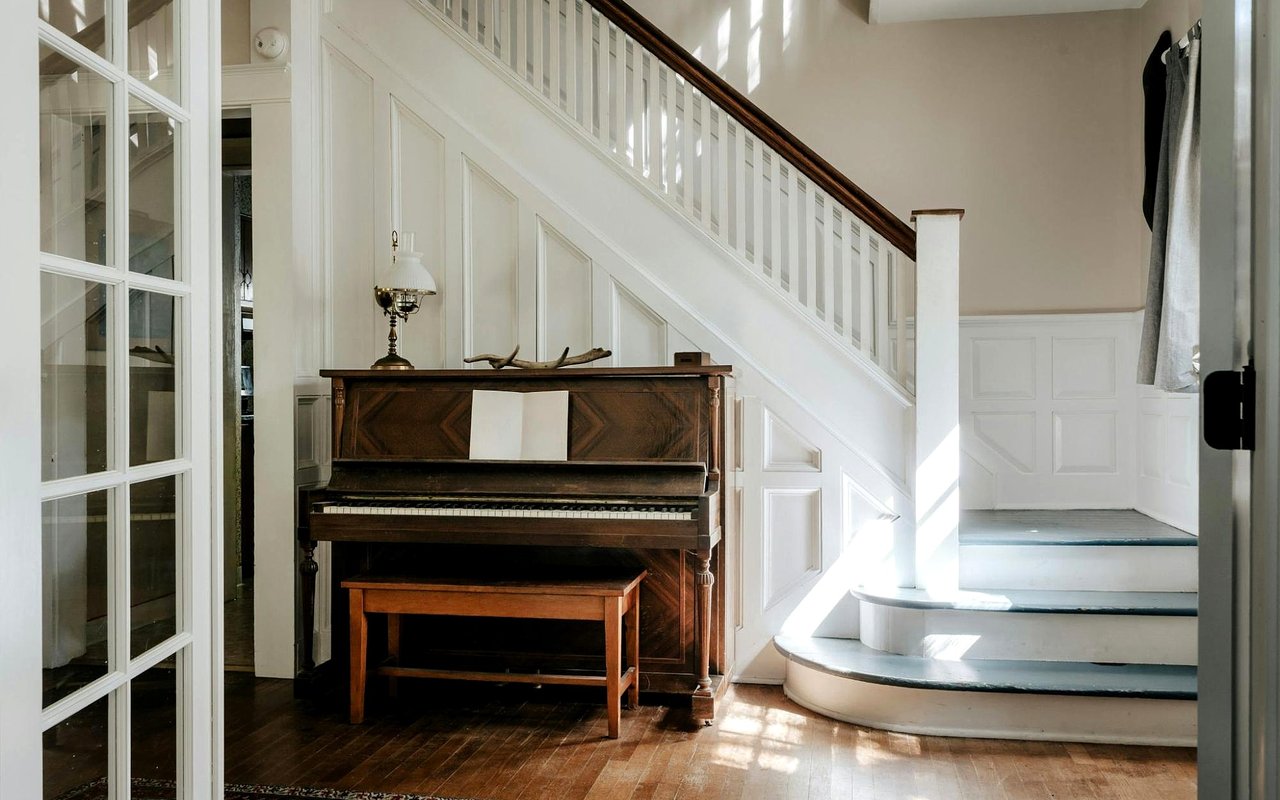
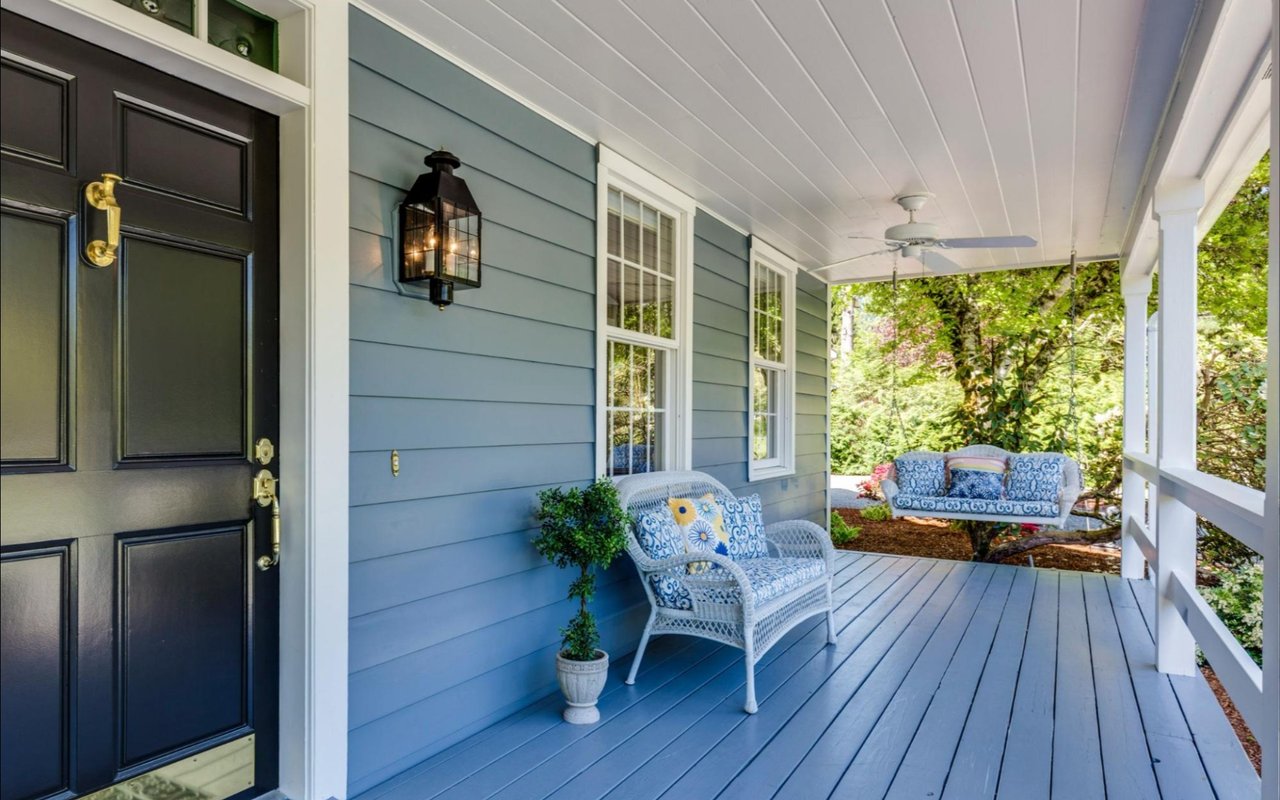
Bridgewater’s housing stock is varied, but the overall look and feel remain rural. According to the town plan, homes range from 1700s-era houses to farmhouses, cottages, ranch homes, and larger estates. That variety gives buyers a broader mix of architectural character than you might expect in a town this small.
At the same time, the housing pattern is overwhelmingly single-family. The town reports that about 96.8% of homes are single-family, and DataHaven shows a similar figure at 97%. For buyers who want privacy, land, or a more traditional detached-home setting, Bridgewater aligns strongly with that lifestyle.
Homeownership is also a defining part of the local housing profile. DataHaven reports that 86% of households are homeowner households. That supports the town’s long-standing identity as a place where people put down roots, maintain their properties, and value the rural surroundings.
Land Use Shapes the Lifestyle
Bridgewater’s zoning and land-use policies are a big reason the town feels the way it does. The town says it is almost entirely dedicated to residential use that includes farming, while commercial and industrial uses are concentrated along Route 67. About 80% of the land area is vacant, and virtually all of it is zoned for single-family residential use that includes farming.
For you as a buyer, that means the country setting is not just cosmetic. It is built into how the town has developed and how it plans to grow. You are not looking at a place that is aiming for suburban-style intensification. You are looking at a town that has clearly prioritized space, screening, setbacks, and conservation-minded design.
What Rural Infrastructure Means for Buyers
In Bridgewater, country living comes with practical differences that matter during your home search. Most residents rely on private wells, there are no major public water distribution lines in town, and residential lots generally manage water and septic needs on-site. That makes property due diligence especially important when you are comparing homes.
This is where local guidance can really help. If you are considering an older farmhouse, a cottage, or a larger property with acreage, it is smart to understand how systems, site conditions, and maintenance needs fit into the overall value of the home. In a town like Bridgewater, the land and infrastructure are part of the buying decision, not just the house itself.
Village Life and Daily Conveniences
Bridgewater offers a real sense of place, but it is not designed as a full retail center. The town center is the heart of community life, and the historic core adds to that experience. Bridgewater Center Historic District was listed on the National Register in 2000, and the town’s hazard mitigation plan says the district contains more than 60 historic buildings.
That historic setting helps give the town an older New England village atmosphere. If you appreciate places where civic spaces and historic buildings still shape the rhythm of town life, Bridgewater offers a setting that feels distinct from newer suburban development patterns.
For broader shopping, dining, and entertainment, nearby New Milford is the main regional hub. Its official village-center information describes downtown as the focal point for community services, commerce, restaurants, stores, and entertainment. In practical terms, many Bridgewater residents pair country living at home with regular drives to nearby towns for errands and outings.
Access to the Greater Danbury Area
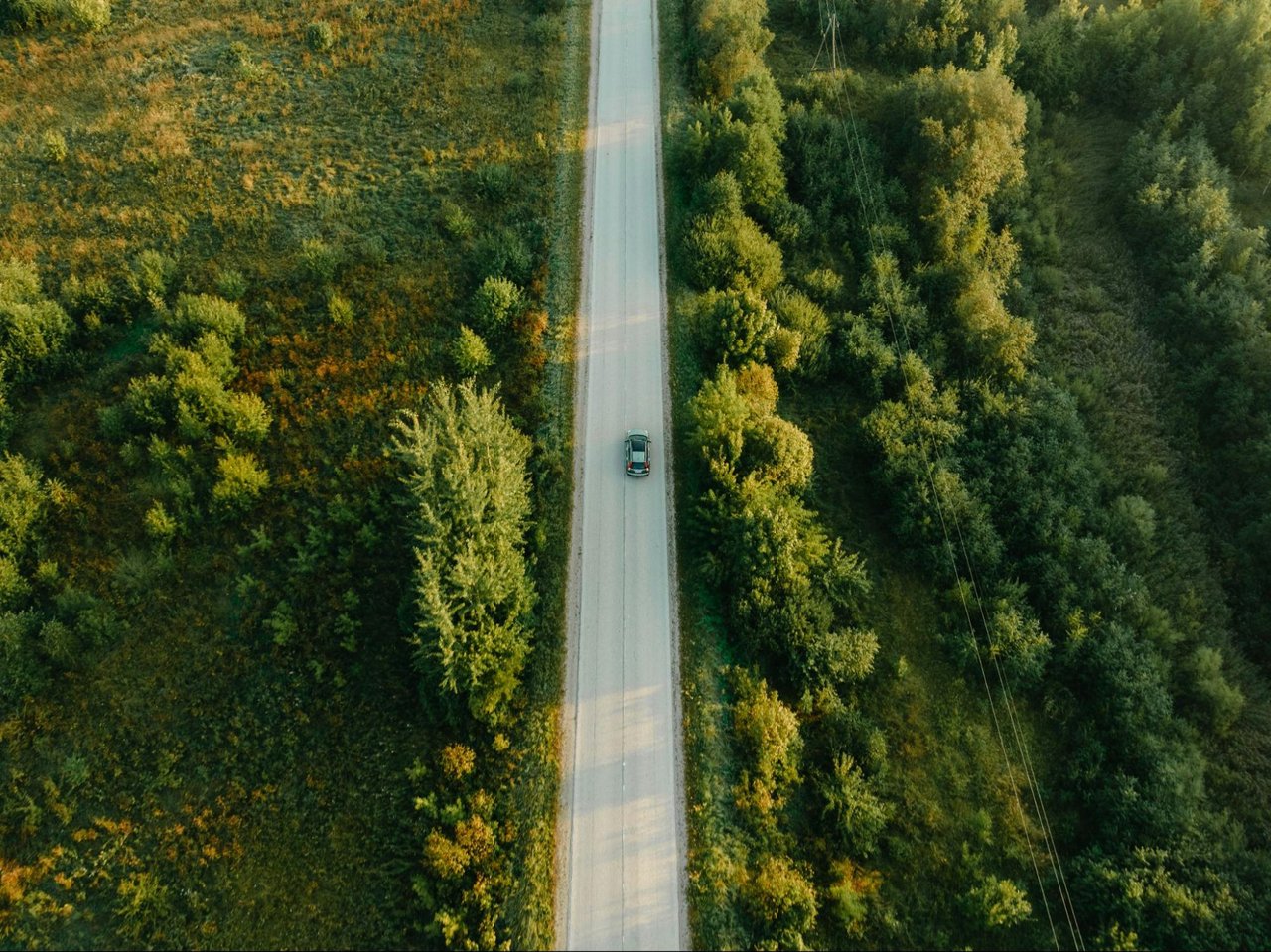
The big lifestyle question for many buyers is this: can you enjoy Bridgewater’s rural setting and still stay connected to the Greater Danbury area? For the right buyer, the answer is yes, but the connection is car-based. Route 133 runs north-south, Route 67 runs east-west, and the town does not have public transportation.
The town’s hazard mitigation plan notes that the nearest highway is I-84 in Newtown, while Route 202 runs west through New Milford. That means regional access is workable, but you should think in terms of driving rather than walkability or transit. If your ideal day includes scenic roads, flexible travel by car, and a quieter home base, Bridgewater can make a lot of sense.
Who Bridgewater Tends to Fit Best
Bridgewater tends to appeal to buyers who want privacy, scenery, land, and a slower pace. It is also a fit for people who are comfortable with a driving-based lifestyle and who do not need a large commercial center right outside their door. In exchange, you get a preserved setting that is hard to replicate in more built-up towns.
The town’s own planning documents describe a mix of full-time and part-time residents, with many commuting to Fairfield County or New York. That makes Bridgewater worth considering if you are searching for either a primary residence or a second home with a more relaxed feel. It can also appeal to buyers drawn to old-house character, larger lots, and a setting that feels intentionally protected.
Local planning goals also show attention to residents aging in place and to housing options that may help attract younger households. The town discusses accessory apartments, senior housing, and choices for young families, while still keeping preservation goals front and center. That balance reflects a town trying to remain livable across different stages of life without losing what makes it distinct.
What Buyers Should Keep in Mind
If Bridgewater is on your shortlist, it helps to go in with the right expectations. This is not a self-contained shopping town, and it is not trying to become one. The appeal is the combination of rural scenery, historic character, low-density housing, and practical access to nearby amenities in New Milford and the broader region.
You may find that the best property for you is not just about square footage or finish level. In Bridgewater, setting matters. Road frontage, privacy, topography, open land, historic details, and the condition of on-site systems can all shape whether a home feels like the right fit.
That is also why town-by-town expertise matters in a market like this. A rural property can present very different considerations than a more typical suburban home, especially when you are weighing land use, infrastructure, and the long-term feel of the location.
If you are exploring Bridgewater because you want country living with access to New Milford and the Greater Danbury area, a focused local strategy can save you time and help you compare options more clearly. When you are ready to talk through the town, the housing mix, or what kind of property may best match your goals, connect with Lisa Bowman for personalized guidance.
FAQs
What is Bridgewater, CT like for daily living?
- Bridgewater offers a small-town rural setting with a compact civic center, historic village character, and day-to-day living that often includes driving to nearby towns like New Milford for broader shopping, dining, and services.
What kinds of homes are common in Bridgewater, CT?
- Bridgewater is dominated by single-family housing, with homes that include historic houses, farmhouses, cottages, ranch homes, and larger estates, all within a generally rural setting.
Is Bridgewater, CT a good fit if you want privacy and land?
- Yes. The town’s land-use pattern, large amount of open space, and low-density residential character make it especially appealing to buyers who prioritize privacy, scenery, and acreage.
How do you get from Bridgewater, CT to surrounding towns?
- Bridgewater is primarily a driving-based town, with Route 133 and Route 67 providing local access and nearby connections through New Milford and toward I-84 in Newtown.
What should buyers know about Bridgewater, CT infrastructure?
- Many homes rely on private wells and on-site septic systems, and the town does not have major public water distribution lines, so property-specific due diligence is an important part of the buying process.
Does Bridgewater, CT have a town center?
- Yes. Bridgewater has a compact town center that includes civic, recreational, and community spaces, and its historic district contains more than 60 historic buildings that help define the town’s identity.