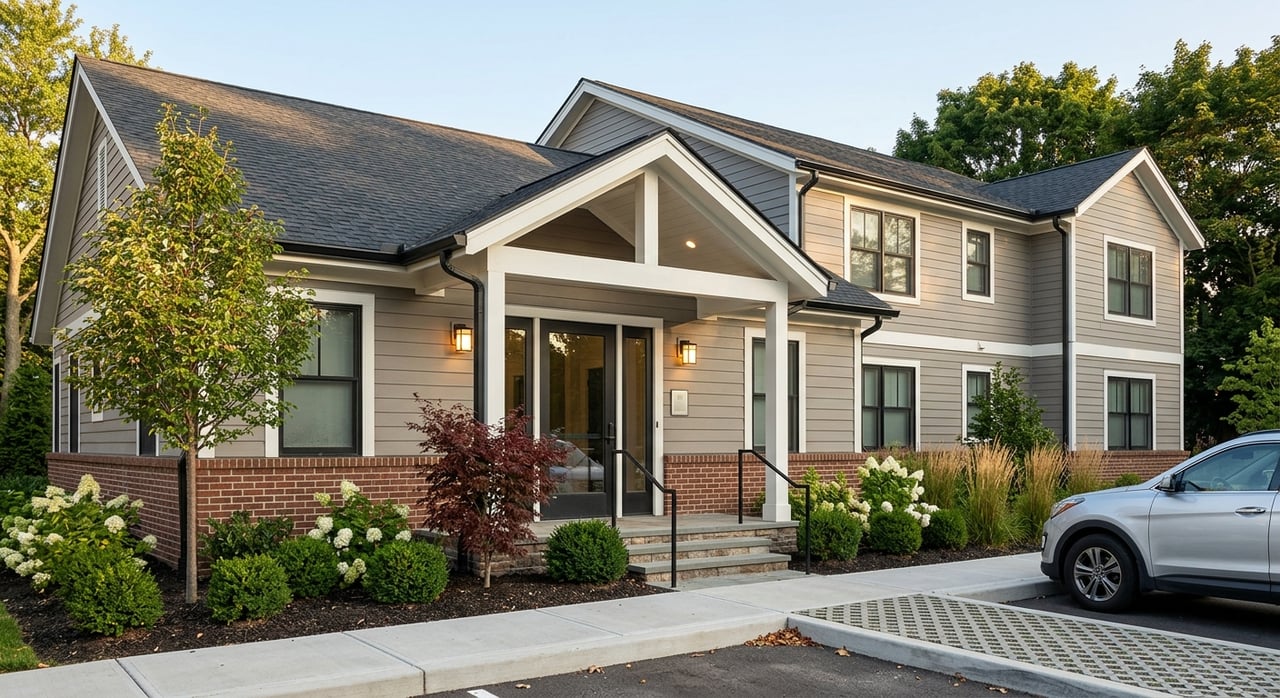
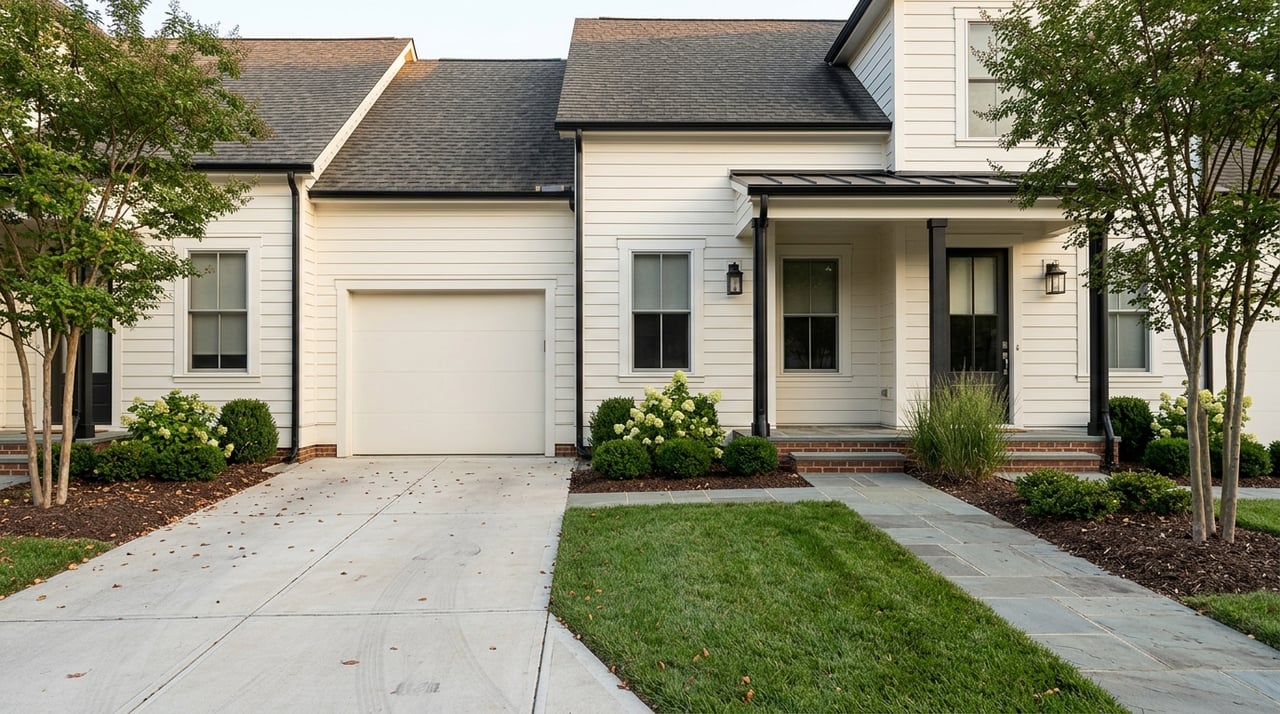
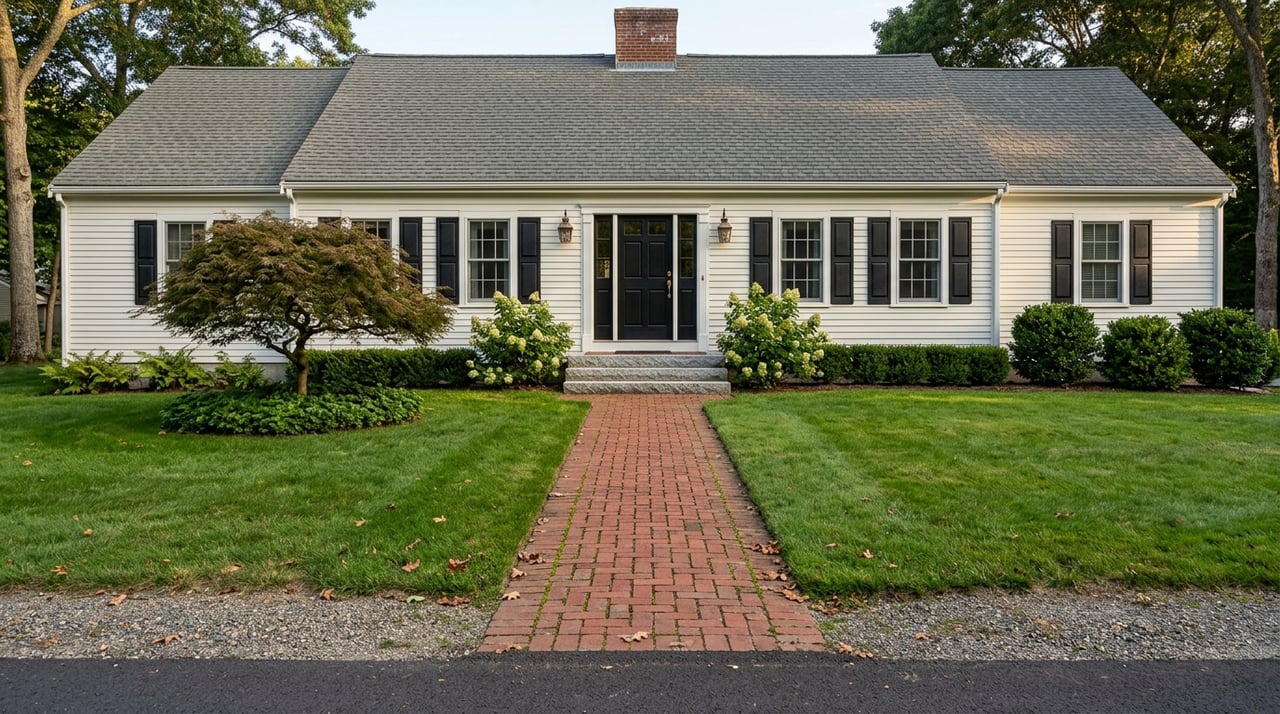
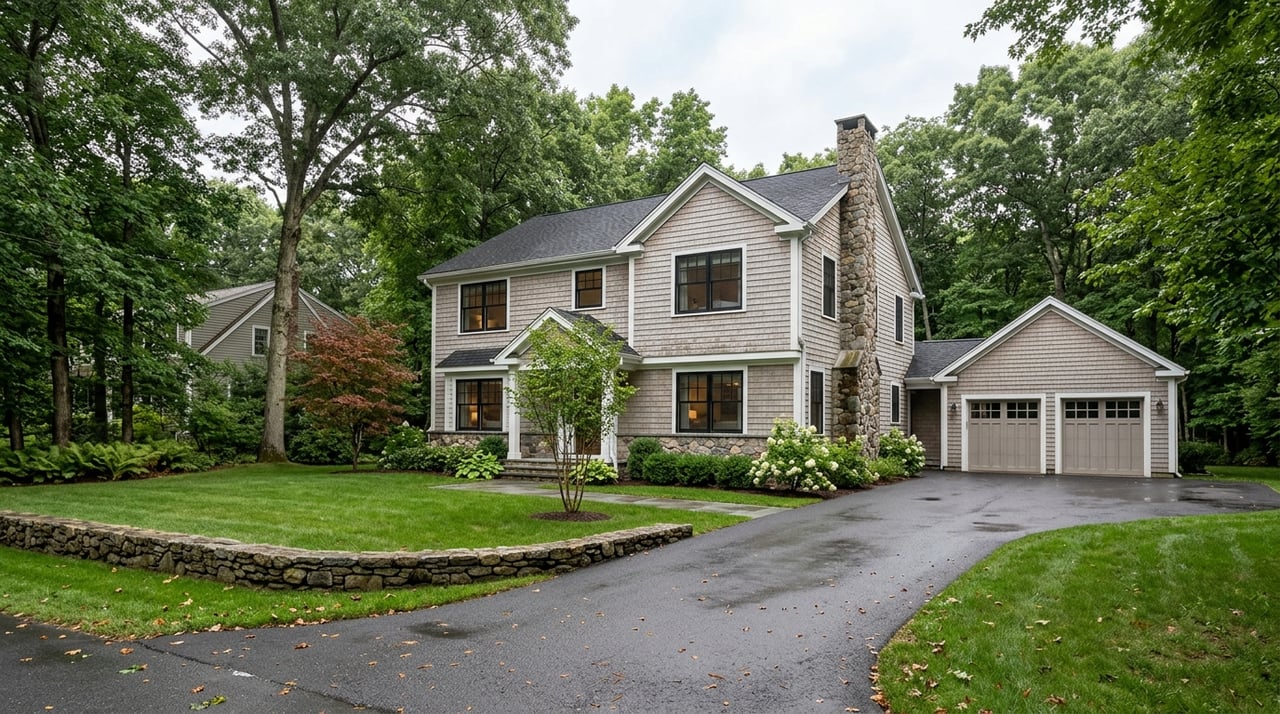
According to the city's February 2025 bond disclosure, Danbury assesses real property at 70% of market value as of its last revaluation, which took effect for the October 1, 2022 grand list. Since then, the single-family market has moved a long way.
That gap has an end date. The city's next revaluation is scheduled for the October 1, 2027 grand list. A buyer comparing Danbury with neighboring towns this fall is looking at a bill that still has a known reset ahead. In the last reset, not every owner's bill changed the same way.
Where a Listing's Tax Figure Comes From
The bill comes from a short formula. Danbury takes 70% of a property's value from the revaluation date to get its assessment, then applies the mill rate, which is dollars of tax per $1,000 of assessed value. For FY2026-27, the City Council adopted a rate of 25.23 mills, a 0.96% increase. The prior year's rate was 24.99.
Here is how that works for a hypothetical house that the 2022 revaluation valued at $430,000:
- Assessment at 70% of the 2022 value comes to $301,000.
- At 25.23 mills, the city tax is about $7,594 a year.
The same city disclosure describes how assessments change. Besides the revaluation itself, it covers new construction and changes to existing structures. When a building permit is issued, the Assessor's Office gets a copy and appraises the work.
The five-year schedule comes from state law, not local choice. Connecticut General Statutes Section 12-62 requires towns to revalue on a five-year cycle.
The Market Moved While the Assessment Base Stood Still
SmartMLS figures show how far prices have drifted from that 2022 base. Danbury's single-family median sales price was $430,000 for calendar year 2022. Through September 2026, the year-to-date single-family median was $550,000, and the rolling 12-month median stood at $600,000. Comparing the two year-to-date medians gives a rise of about 28%. Individual homes will vary around that number, but the direction is clear.
The grand list has barely registered that rise, because it isn't built to. CT Insider reported in February 2026 that Danbury's 2025 grand list grew 1.16% to about $10.61 billion, and that net taxable real estate grew only 0.49%. Between revaluations, real estate growth comes mostly from new construction and permitted improvements, not from rising prices.
Buyers this fall have more room to look closely before they commit. SmartMLS's September 2026 report for Danbury shows single-family inventory at 110 homes, up 17% from September 2025. Days on market rose from 28 to 41, and months of supply rose from 3.0 to 4.1.
What the Last Reset Actually Did
The 2022 revaluation did not move every bill the same way.
| Measure | Before revaluation | After revaluation |
|---|---|---|
| Net taxable grand list | $8.13 billion, 2021 list | $10.45 billion, 2022 list |
| Change in net grand list | Up 28.45% | |
| Mill rate | 28.22, FY2022-23 | 23.33, FY2023-24 |
The NewsTimes reported in April 2023 that the new rate was roughly 17% lower than the old one. A lower rate did not mean lower bills across the board. The reason is that the mix of property types shifted. In its May 2023 coverage of the budget vote, the NewsTimes reported that the revaluation raised values for homes and condominiums. Commercial and retail properties hit by pandemic lockdowns were devalued, and the paper named Danbury Fair mall among them.
Michael Safranek, the city's Republican Party leader, explained the arithmetic in the same NewsTimes article:
"At the end of the day you need X amount of dollars to run the city and you get there by dividing it by the grand list. So if the assessment changes, then the mill rate changes."
That same article shows how easy it is to misread a revaluation. One homeowner told the City Council he expected a steep jump in his bill. The city said his actual increase was about $600, and the paper reported that his estimate had not included the reduced mill rate. A new assessment by itself says little. The bill depends on the assessment and the new rate together.
The phase-in question is part of the record too. During that budget debate, Democrats proposed deferring, suspending or phasing in the revaluation, and those efforts did not pass. In 2022, the city implemented the revaluation in full.
Why the Citywide Number Won't Tell You Your Bill
The city sets a budget, the grand list divides it up, and each property pays its share.
In 2022, homes rose while commercial property fell, so more of the city's budget landed on residential owners even at a much lower rate. No public source yet says how those categories will move in 2027, and no one can honestly put a specific 2028 bill on a house today.
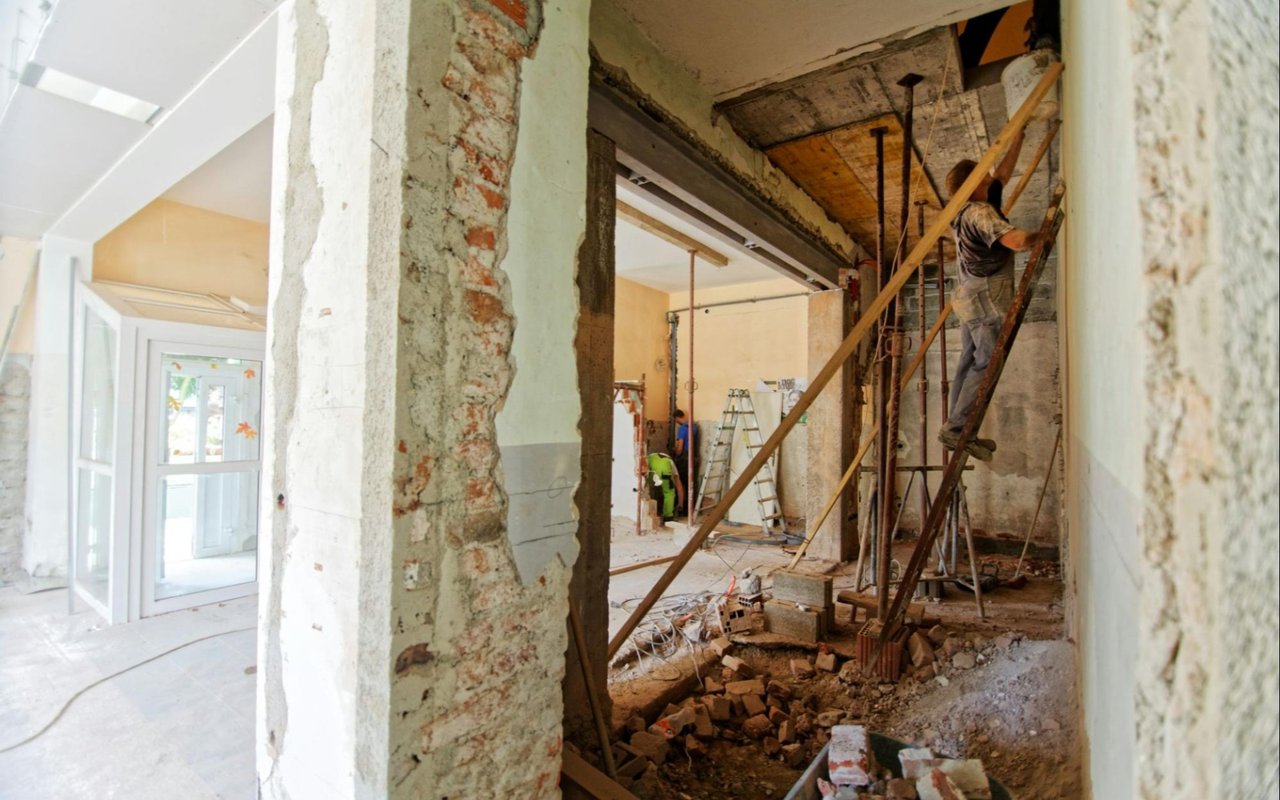
Renovations deserve a closer look. The city says that when a permit is pulled for new work or a change to an existing structure, the assessor appraises it and prices it from a schedule developed as of the revaluation.
A Few Common Questions
When does the next Danbury revaluation take effect? City documents put it on the October 1, 2027 grand list. In the last cycle, the October 1, 2022 grand list fed the FY2023-24 budget and its 23.33 mill rate. The same sequence would put the 2027 list into the FY2028-29 budget.
Will the mill rate drop after the revaluation? It did in 2022, from 28.22 to 23.33, because the grand list grew. The 2027 rate will depend on the budget the city adopts and the size of the new grand list.
This is general information, not tax, legal or financial advice. Please confirm the details for any specific property with the Danbury Assessor's Office or your own tax professional.
If you're weighing a Danbury home, Bowman Properties can help. Work with Lisa and bring Dana's contractor perspective to the home.