By Lisa Bowman at Bowman Properties
When I walk through homes with buyers in New Milford, one thing they consistently react to is the primary bedroom. It's not just about space—it’s about how the room feels. More than ever, people are looking for homes that support relaxation, comfort, and better sleep. And it’s not just a trend—it’s a lifestyle shift. If you’re preparing to sell, or just want to improve your own home environment, creating a sleep-friendly space is one of the best things you can do.
Let’s talk about how to design a home that encourages restful sleep—and why it matters for both your health and your home’s value.
Key Takeaways
- Bedroom design affects how well you sleep each night
- Buyers notice calm, uncluttered, well-lit sleeping spaces
- Noise, light, and temperature control are key to rest
- Small updates can make a big difference in sleep quality and resale appeal
The Bedroom Matters More Than You Think
In New Milford’s slower-paced setting, many buyers are drawn to homes that offer peace and comfort. That’s why a restful bedroom often becomes a strong emotional selling point. Even if you're not planning to sell soon, a better sleep environment adds real quality to your daily life.
What Buyers Look for in a Bedroom
- Spacious Layout – Enough room for a bed, side tables, and movement
- Soft Lighting Options – Overhead lights plus lamps or sconces
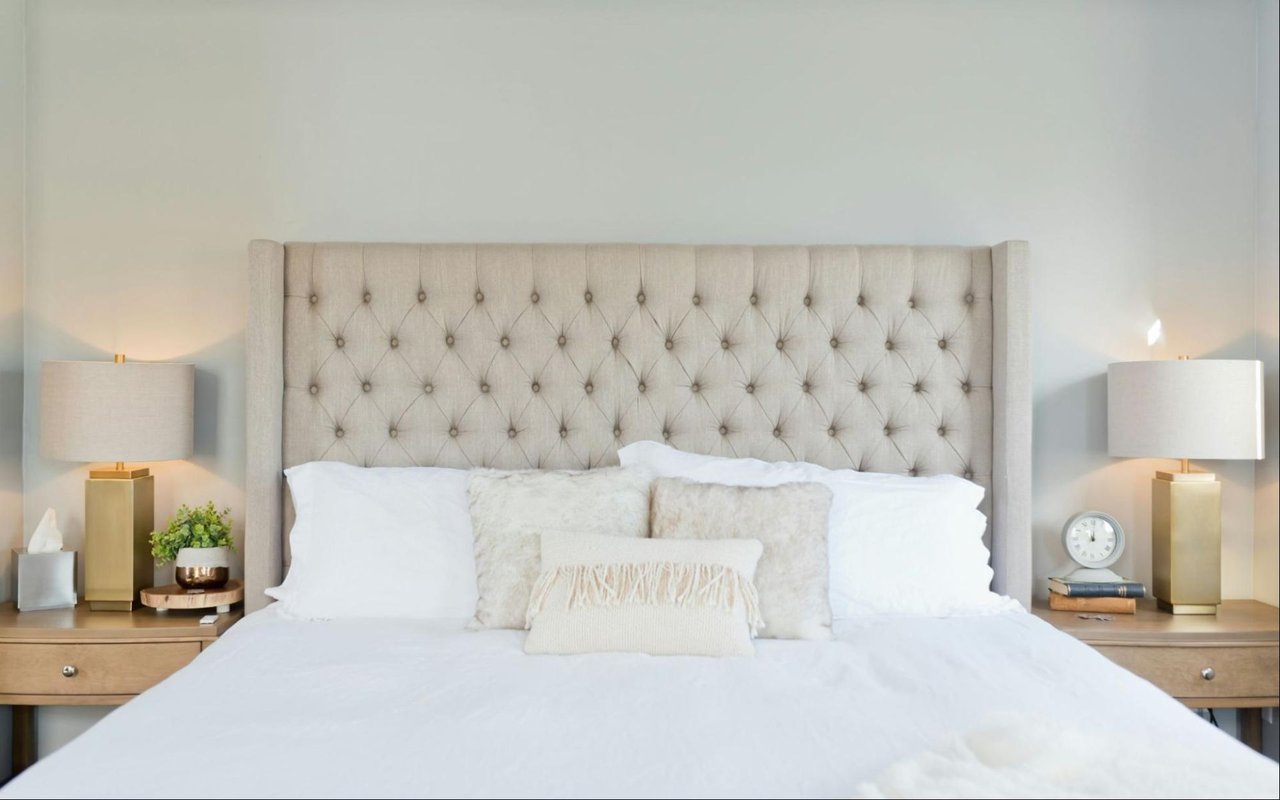
- Neutral, Calm Colors – Light blues, soft greys, or warm whites
- Minimal Clutter – Clean surfaces and well-organized closets
- Good Natural Light – But with easy options to darken when needed
Whether you’re listing your home or updating it for your own rest, the bedroom is a great place to start.
Noise Control Is Critical for Better Sleep
One thing I always point out to sellers is that quiet homes feel more peaceful—and that matters when buyers imagine living there. The same goes for your own comfort. Reducing sound from outside or other rooms helps your body relax and stay asleep longer.
Easy Ways to Minimize Noise at Home
- Use Thick Curtains or Drapes – Helps absorb sound and block outside noise
- Add Rugs or Carpet Runners – Especially in rooms with hardwood or tile
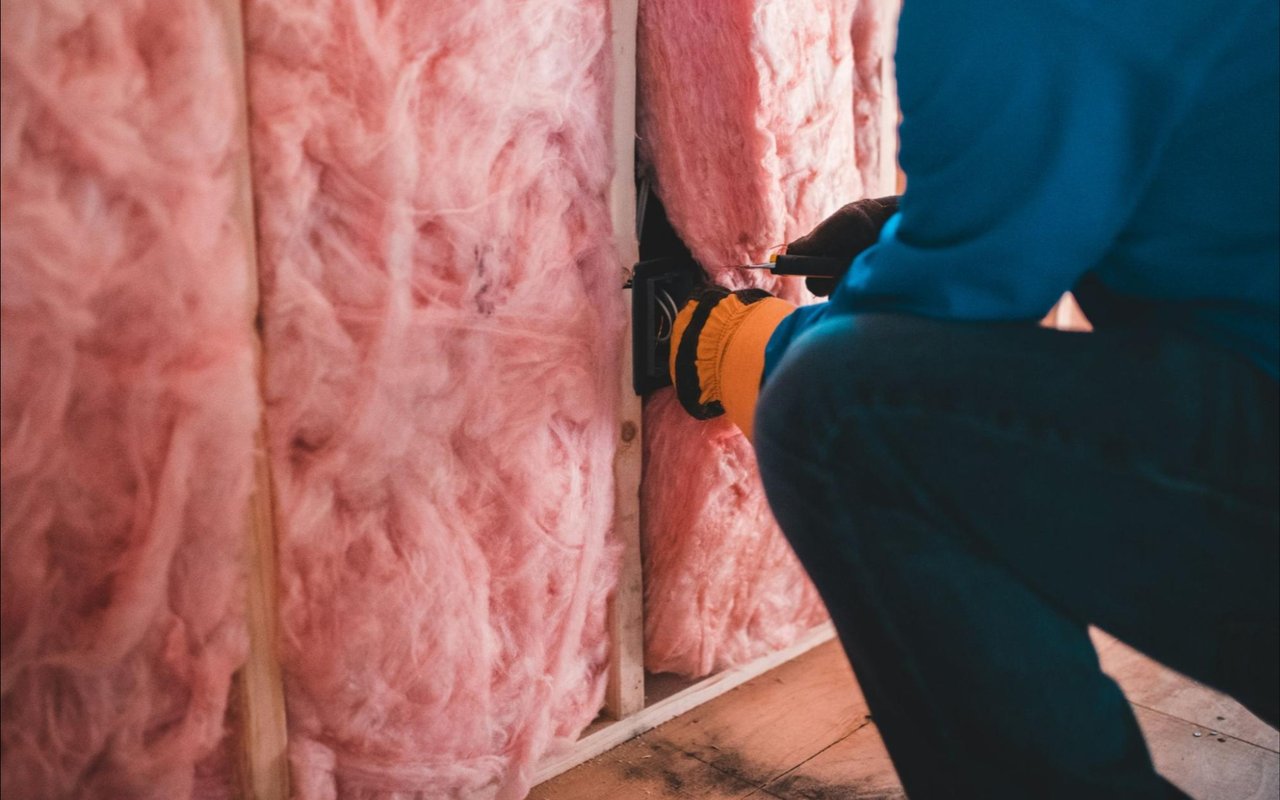
- Seal Door Frames and Windows – Reduces traffic and neighborhood sounds
- Invest in Solid-Core Bedroom Doors – Blocks more sound than hollow ones
- Create Distance Between Bedrooms and Shared Living Areas – If renovating, keep rest in mind
New Milford’s homes often have more space between properties, which helps. But soundproofing still makes a difference—especially for families or light sleepers.
Light Control Helps Your Body Sleep Naturally
Light impacts your circadian rhythm—the natural sleep-wake cycle your body follows. That’s why a truly restful bedroom includes thoughtful light control. It’s also something buyers pick up on, whether consciously or not.
How to Design for Better Light Management
- Install Blackout Shades or Curtains – Blocks streetlights or early sun
- Use Dimmable Lighting – Helps ease into bedtime without harsh brightness
- Avoid Blue Light Sources – Keep TVs or screens out of bedrooms when possible
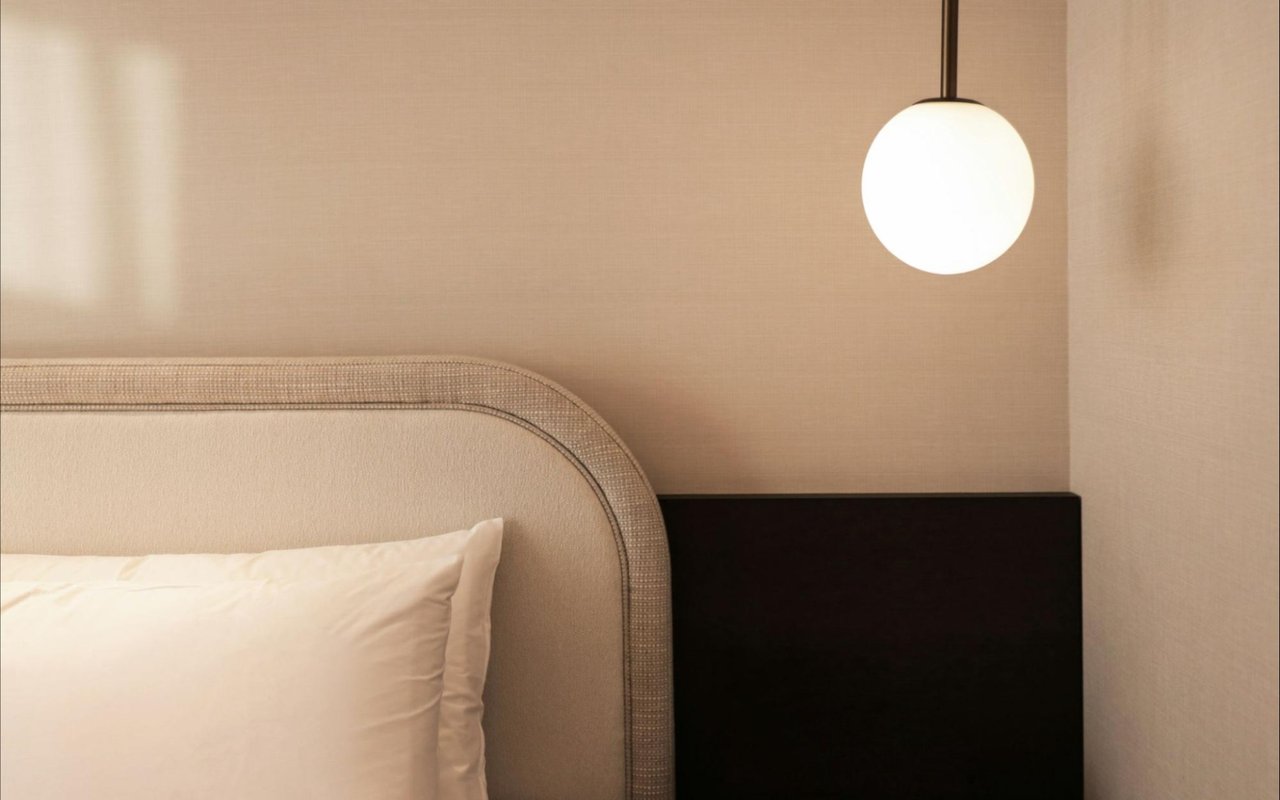
- Add Soft Accent Lighting – Use warm-toned bedside lamps
- Use Motion-Activated Night Lights – Great for hallways and bathrooms to prevent sleep disruption
For sellers, a room that’s already outfitted with good light control sends a message: this home supports relaxation.
Temperature and Air Quality Make a Huge Difference
Bedrooms that are too hot, cold, or stuffy don’t just affect sleep—they also affect how buyers experience a showing. Airy, cool, comfortable bedrooms leave a lasting impression, and they’re better for sleep hygiene as well.
Tips for Improving Sleep Comfort
- Install a Ceiling Fan – Helps regulate temperature year-round
- Use a Programmable Thermostat – Set cooler temps at night
- Add Air Purifiers or Houseplants – Improves indoor air quality
- Ensure Proper Ventilation – Open windows when weather allows
- Avoid Heavy Bedding in Warmer Months – Keep things seasonally appropriate
Many homes in New Milford don’t have central air, so thinking through ventilation and airflow is especially important—both for your comfort and for buyer appeal.
Calming Design Touches Set the Mood
Even small design choices can encourage a restful environment. The right textures, colors, and layout create a sense of calm that supports deeper, more consistent sleep. These updates don’t require major renovations—but they make a real difference.
Simple Updates That Encourage Relaxation
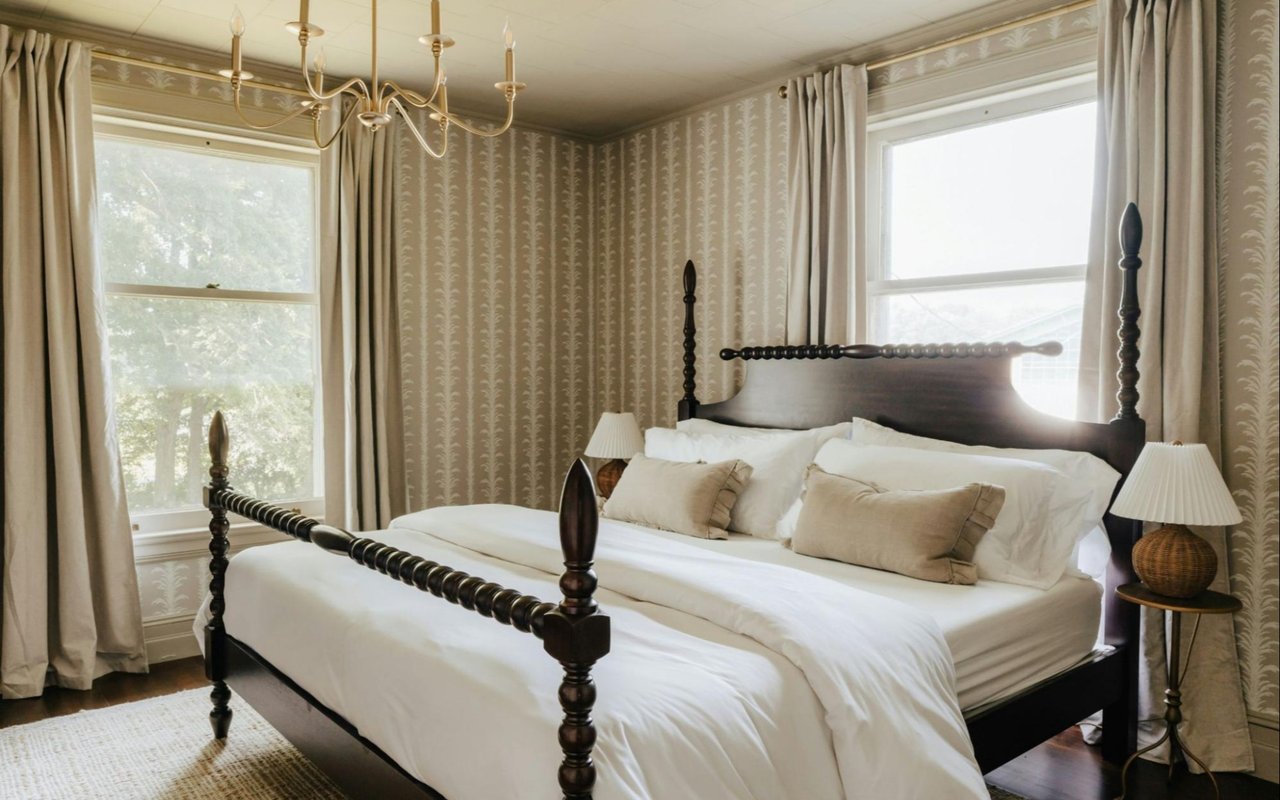
- Stick to a Soft, Neutral Color Palette – Cool tones promote calm
- Choose Comfortable Bedding – Layered linens add texture and comfort
- Keep Decor Minimal – A clean room feels more restful
- Add Nature-Inspired Elements – Think wood, cotton, and natural textures
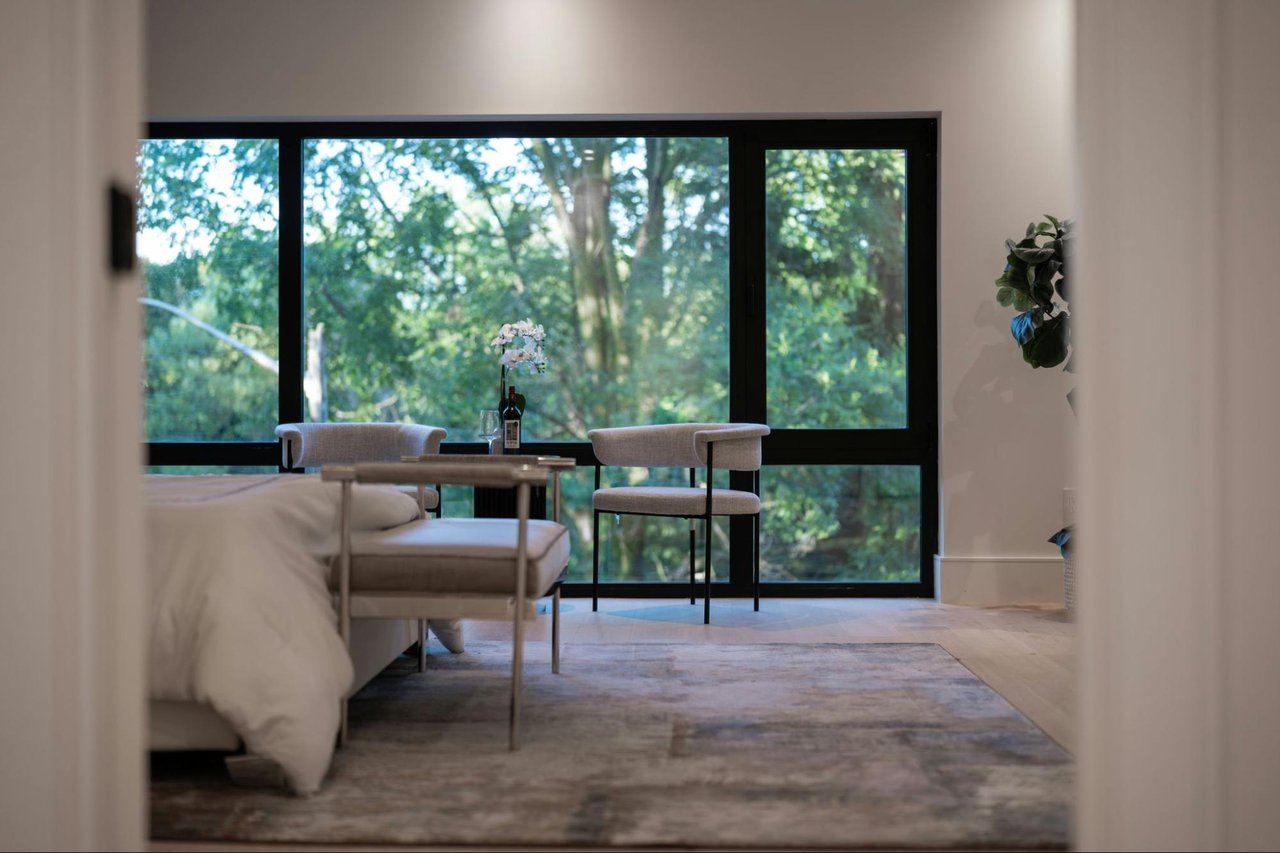
- Create a Sitting Corner or Reading Nook – Supports winding down without screen time
If you're staging your home for sale, these updates photograph beautifully and create a quiet sense of luxury that buyers really respond to.
Whole-Home Choices That Support Better Sleep
While the bedroom is the core sleep zone, other parts of your home can play a role too. From layout to lighting, subtle details can enhance the overall sleep-friendliness of a house—and buyers in today’s market are noticing.
Other Areas That Impact Sleep
- Peaceful Hallways – Keep them clear and softly lit for nighttime comfort
- Quiet HVAC Systems – Loud units near bedrooms can interrupt sleep
- Soft Flooring Choices in Upper Levels – Reduces noise throughout the house
- Private Primary Suites – Separation from busy areas boosts rest
- Smart Lighting Systems – Allows dimming without needing to get out of bed
Homes that are designed with comfort in mind tend to feel more livable—and more valuable. If you’re planning to list your property, it’s worth highlighting these features in your marketing.
FAQs
Does a sleep-friendly home really impact resale?
Yes. Buyers often respond emotionally to peaceful spaces. A calm, well-designed bedroom can make your home more memorable during showings.
What’s the best low-cost change to improve sleep at home?
Start with blackout curtains and lighter wall colors. These changes are inexpensive but make a big difference in both sleep quality and buyer appeal.
Should I mention sleep-related features in my listing?
Absolutely. Words like “peaceful retreat,” “primary suite,” or “quiet layout” help buyers imagine themselves relaxing in the space.
Contact Me Today
If you’re preparing your home for sale—or just want to improve your own quality of life—I’d love to help you think through ways to make your space more restful. At Bowman Properties, I work with clients every day to highlight the lifestyle benefits of every room.
Reach out to me at Bowman Properties, and I’ll help you evaluate your bedroom and home layout from a buyer’s perspective. Whether you’re selling soon or simply improving your daily comfort, creating a home that encourages restful sleep is one of the smartest steps you can take.